Why Do Cats Get Dry Skin From Food: Causes And Fixes
Cats may get dry skin from food due to allergies, poor nutrition, dehydration, or an unbalanced diet.
If you are asking why do cats get dry skin from food, the answer is not always simple. Food may trigger an allergy, fail to provide key skin nutrients, or worsen another health problem. This guide explains the causes, warning signs, safe diet changes, and when your cat needs veterinary care.
How Food Can Affect a Cat’s Skin
A cat’s skin needs protein, fat, vitamins, minerals, and water to stay soft and healthy. Food works like the building material for the skin barrier. If that material is missing or causes inflammation, the skin may become flaky, itchy, or dull.
So, why do cats get dry skin from food? In many cases, the food is not directly “drying out” the skin. Instead, it may cause an allergy, provide too little healthy fat, or fail to meet your cat’s nutritional needs.
Other factors can also play a role:
• Low humidity, especially during winter
• Fleas or mites
• Overbathing
• Poor grooming from arthritis or obesity
• Dehydration
• Hormone problems
• Liver, kidney, or digestive disease
• Fungal or bacterial skin infections
This is why diet is only one piece of the puzzle. A careful review helps you avoid blaming food when the real cause is medical.

The Main Reasons Cats Get Dry Skin From Food
Food allergies and sensitivities
Food allergies are one of the most common diet-related reasons for itchy or irritated skin. A cat may react to a protein such as beef, chicken, fish, or dairy. The immune system treats that food protein as a threat and creates inflammation.
This inflammation may cause:
• Itching
• Scabs
• Red skin
• Hair loss
• Excessive licking
• Dry flakes
• Repeated ear infections
Food allergies can appear in cats of any age. A cat may eat the same food for years before signs begin. This delayed reaction often makes the cause hard to spot.
Too little dietary fat
Healthy fats help keep the skin barrier strong. They also support a soft coat and reduce water loss from the skin. A diet that is too low in fat may leave a cat’s coat rough and the skin flaky.
Omega 3 fatty acids, including EPA and DHA, are especially important. They may help calm inflammation and support skin health. However, adding a random fish oil product is not always safe. Too much oil can cause stomach upset, weight gain, or nutrient imbalance.
Poor-quality or incomplete food
Cats need animal-based nutrients that their bodies cannot make in enough amounts. These include taurine, arachidonic acid, vitamin A, and certain amino acids.
A food labeled “complete and balanced” for the correct life stage should meet established nutrient standards. Homemade diets and poorly designed raw diets may lack key nutrients unless a veterinary nutrition professional creates the recipe.
This explains another part of why do cats get dry skin from food. A diet may fill your cat’s stomach but still fail to support healthy skin and coat.
Too many treats or table scraps
Treats can slowly replace balanced meals. Table scraps may also add excess salt, fat, or ingredients that trigger a reaction.
As a general rule, treats should provide no more than about 10% of a cat’s daily calories. The rest should come from a complete and balanced diet suited to the cat’s age and health.
A sudden food change
A fast diet change may cause vomiting or diarrhea. It does not usually cause dry skin by itself, but digestive upset can reduce nutrient absorption and water intake.
A sudden switch may also make it hard to identify the problem. Change foods slowly over about seven days unless your veterinarian advises a different plan.

Can Dry Cat Food Cause Dry Skin?
Dry food does not automatically cause dry skin. Many cats eat quality dry food for years without skin trouble. The bigger issues are the food’s nutrient balance, your cat’s water intake, and any allergy to an ingredient.
Dry kibble contains much less water than canned food. Cats often have a low thirst drive because their ancestors received much of their moisture from prey. Some cats do not drink enough to make up the difference.
Low water intake may contribute to dry skin in some cats. It can also increase the risk of concentrated urine and urinary problems. Still, dry skin alone does not prove that kibble is the cause.
You can support hydration by:
• Offering fresh water in several rooms
• Using a wide, shallow bowl
• Trying a cat water fountain
• Adding wet food to the daily plan
• Mixing a small amount of water into food, if your cat accepts it
Never force water into a cat’s mouth. This can cause choking or stress.

Which Food Ingredients May Trigger Skin Problems?
Cats can react to many food proteins. The most common suspected triggers include:
• Beef
• Fish
• Chicken
• Dairy products
• Eggs
• Lamb
Grains are not automatically the cause of a cat’s skin problem. Grain allergies can occur, but they are less common than allergies to animal proteins. A “grain-free” label does not guarantee that a food will improve dry skin.
Food labels also need careful reading. A recipe may contain several animal proteins, even if the front label highlights only one. Flavor coatings, treats, supplements, and flavored medicines may also expose your cat to the suspected ingredient.
This is why do cats get dry skin from food can be difficult to answer without a full diet history. Every bite matters during an allergy investigation.

Signs That Food May Be Causing Dry Skin
Dry skin linked to food often comes with other symptoms. Watch for patterns rather than one isolated flake.
Possible signs include:
• Itching around the head, neck, or ears
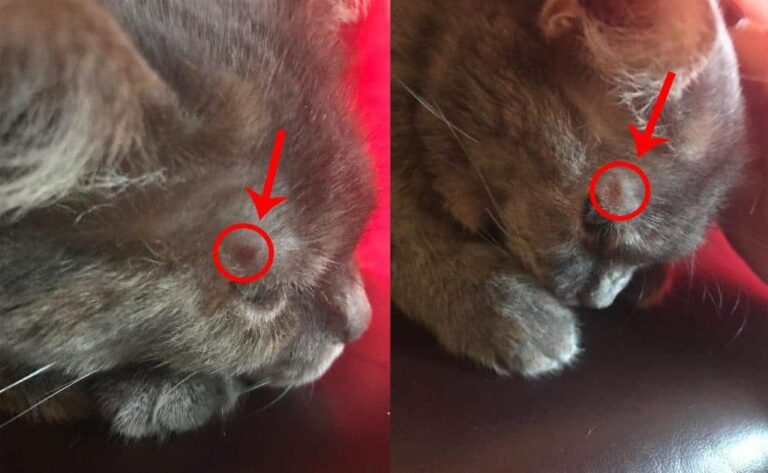
• Small scabs near the neck or back
• Hair loss from licking
• Red bumps or irritated skin
• Repeated ear problems
• Vomiting or loose stool
• Gas or poor appetite
• Symptoms that continue all year
Flea allergy can look very similar to a food allergy. One flea bite may cause intense itching in a sensitive cat. Indoor cats can still get fleas, so reliable flea control is important.
A veterinarian may also check for ringworm, mites, bacterial infection, and other causes. Treating the wrong cause can delay relief and allow skin damage to worsen.

How Veterinarians Test for a Food Allergy
There is no dependable blood test that can confirm a food allergy in cats. The most useful method is a strict elimination diet trial.
During this trial, the cat eats only a prescribed novel-protein or hydrolyzed-protein diet. A novel protein is one the cat has not eaten before. A hydrolyzed protein is broken into smaller pieces that may be less likely to activate the immune system.
A proper trial usually lasts about eight to twelve weeks. During this time, avoid:
• Treats
• Table food
• Flavored medications
• Supplements
• Dental chews
• Shared food from another pet
If the skin improves, the veterinarian may guide you through a food challenge. The old food is offered again to see whether signs return. This step helps confirm the link.
A common mistake is changing foods every few days. That creates confusion and may cause stomach upset. One controlled plan gives clearer answers.

Choosing Food for a Cat With Dry Skin
Start with a food that is complete and balanced for your cat’s life stage. Kittens, adults, seniors, and cats with medical conditions have different needs.
Look for:
• A clear nutritional adequacy statement
• A named animal protein
• Appropriate calories for your cat
• Reliable quality control
• A diet recommended by your veterinarian when needed
Do not judge food only by attractive words such as “natural,” “holistic,” or “premium.” These terms do not always show whether the food is right for your cat.
If allergy is suspected, ask your veterinarian about a prescription elimination diet. Over-the-counter limited-ingredient foods can contain trace amounts of other proteins due to shared manufacturing equipment. That may interfere with a strict food trial.
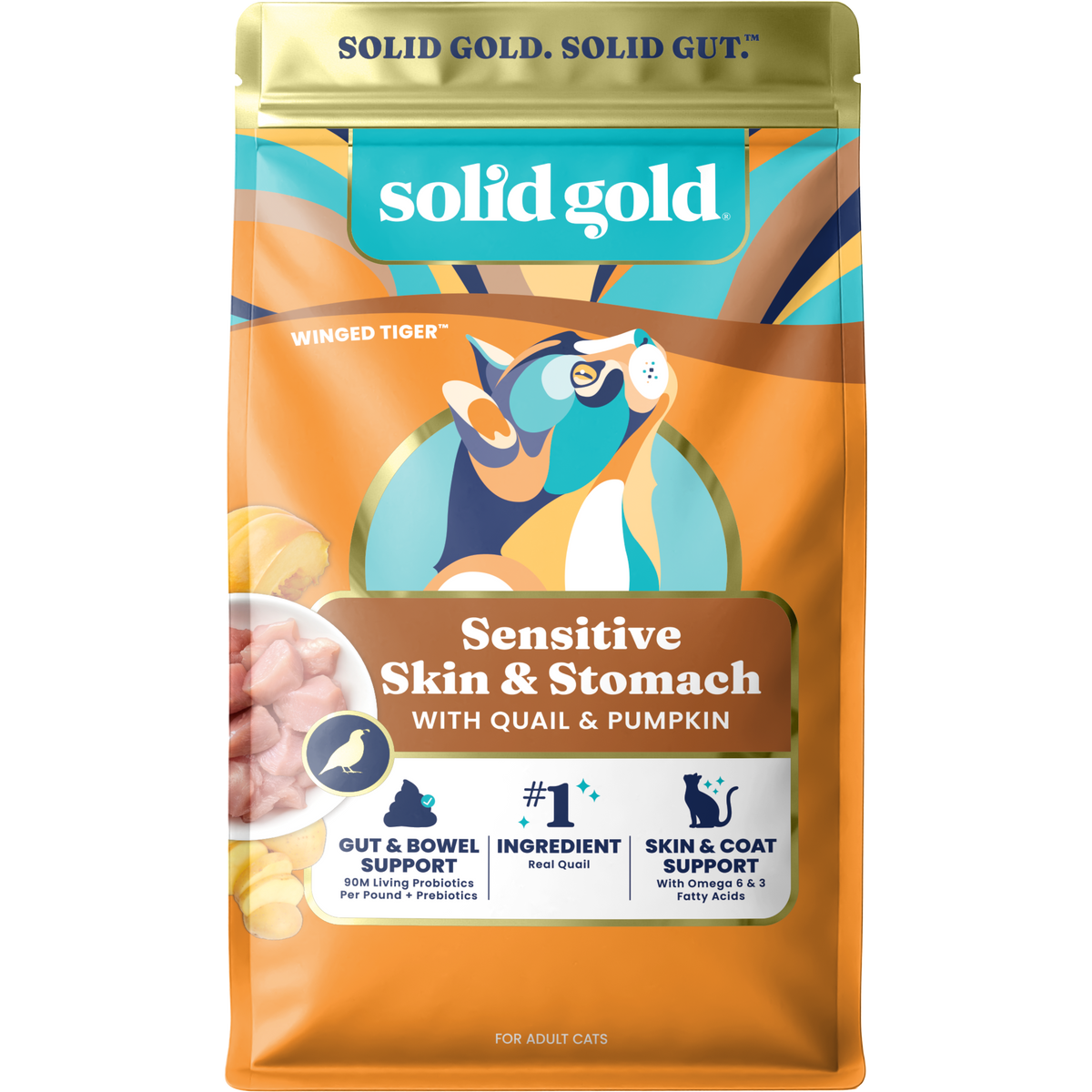
Safe Ways to Support Skin and Coat Health
Diet changes can help, but daily care matters too.
Improve hydration
Wet food can increase water intake. Some cats enjoy water fountains, while others prefer a quiet bowl away from food. Wash bowls often, since stale water may discourage drinking.
Use parasite prevention
Ask your veterinarian about a flea and mite prevention plan. Use products made specifically for cats. Some dog flea products contain permethrin, which can be toxic and even fatal to cats.
Brush gently
Regular brushing removes loose hair and spreads natural skin oils. Short-haired cats may need brushing once a week. Long-haired cats may need it more often.
Stop if brushing causes pain. Mats can pull on the skin and may need professional removal.
Avoid harsh products
Cats usually do not need frequent baths. Human shampoo can strip protective oils and irritate feline skin. If a medicated bath is needed, use only a product recommended for cats.
Consider supplements carefully
Omega 3 supplements may help some cats with inflammatory skin conditions. The dose and product quality matter. Ask your veterinarian before using one, especially if your cat takes medicine or has pancreatitis, bleeding problems, or digestive disease.
Common Mistakes to Avoid
Many well-meaning owners make diet changes that slow diagnosis.
Avoid these mistakes:
• Switching between several foods at once
• Giving treats during an elimination diet
• Assuming every skin problem is a food allergy
• Using essential oils on the coat
• Giving human vitamins or fish oil
• Using dog flea products on a cat
• Waiting too long when the cat has open sores
• Choosing raw or homemade food without professional guidance
Essential oils can be dangerous for cats because their liver may not process certain compounds safely. “Natural” does not always mean harmless.
Another lesson from real-world diet cases is that patience matters. Skin often takes weeks to improve after the trigger is removed. A food change is not a quick fix for every cat.
When to Call a Veterinarian
Make an appointment if dry skin lasts more than a week or comes with itching, hair loss, scabs, or odor. Your cat may need an examination, skin tests, parasite treatment, or blood work.
Seek prompt care if your cat has:
• Bleeding or painful sores
• Pus, swelling, or a strong skin odor
• Severe itching
• Sudden hair loss
• Weight loss
• Vomiting or diarrhea
• Low energy
• Increased thirst or urination
• Trouble eating or grooming
These signs may point to infection, allergy, kidney disease, diabetes, or another condition. Older cats and cats with chronic illness deserve extra care because dry skin may be part of a wider health change.
Frequently Asked Questions About Why Do Cats Get Dry Skin From Food
Why do cats get dry skin from food?
Cats may get dry skin from food because of an allergy, poor nutrient balance, low dietary fat, or low water intake. Food may also worsen inflammation from another skin or health problem.
Can dry food make my cat’s skin dry?
Dry food does not always cause dry skin. However, its low water content may contribute to low overall moisture intake in cats that do not drink enough.
What food is best for a cat with dry, flaky skin?
The best food is complete and balanced and matches your cat’s health needs. If a food allergy is suspected, a veterinarian may recommend a novel-protein or hydrolyzed-protein diet.
How long does it take for a food allergy to improve?
Skin signs may take eight to twelve weeks to improve during a strict elimination diet trial. The timeline varies, and your veterinarian may treat infections or parasites at the same time.
Can chicken cause dry skin in cats?
Chicken can trigger an allergy in some cats, but it is not a problem for every cat. Do not remove chicken without a clear plan, since many foods and treats contain it.
Should I give my cat fish oil for dry skin?
Fish oil may support skin health in some cats, but the dose and product must be suitable. Ask your veterinarian first, especially if your cat has a medical condition or takes other medicine.
Can I treat my cat’s dry skin at home?
You can offer fresh water, feed a balanced diet, brush gently, and maintain flea prevention. Do not use human creams, essential oils, or supplements without veterinary advice.
Conclusion
So, why do cats get dry skin from food? The most likely diet-related causes are food allergy, poor nutrient balance, low healthy fat, and inadequate moisture. Yet fleas, infections, low humidity, grooming trouble, and medical disease can cause the same signs.
Use a complete and balanced food, change diets slowly, track every treat, and avoid guessing during an elimination trial. If your cat is itchy, losing hair, or developing sores, schedule a veterinary exam rather than testing food after food. Share your cat’s symptoms and diet history with your veterinarian, and explore trusted feline nutrition resources for the next step.