Why Do Cats Need Quality Food: Benefits For Feline Health
Cats need quality food for complete nutrition, strong health, steady energy, and a longer, happier life.
Understanding why do cats need quality food starts with their biology. Cats are obligate carnivores, which means their bodies depend on nutrients found in animal tissues. The right diet supports the heart, muscles, eyes, skin, coat, digestion, and immune system. This guide explains what quality cat food means, how to choose it, and which mistakes to avoid.
Why do cats need quality food?
Cats need quality food because their bodies have specific nutritional needs that basic or poorly balanced diets may not meet. Unlike dogs, cats cannot thrive on a wide range of plant foods. They need key nutrients from animal-based ingredients, including taurine, arachidonic acid, vitamin A, and certain amino acids.
A complete diet also gives cats the right balance of protein, fat, vitamins, minerals, and water. These nutrients work together like parts of a machine. If one part is missing, the whole system may suffer over time.
Here are the main reasons cats need quality food:
• Strong muscles: Animal-based protein helps maintain lean muscle.
• Healthy vision: Taurine and vitamin A support normal eye function.
• Heart health: Taurine is vital for proper heart muscle function.
• Healthy skin and coat: Protein and essential fatty acids help reduce dryness and dull fur.
• Steady energy: Balanced fat and protein provide fuel without excess empty calories.
• Strong immunity: Vitamins, minerals, and amino acids support the body’s defenses.
• Good digestion: Digestible ingredients can support firm stools and fewer stomach problems.
A cheap food is not always poor, and an expensive food is not always better. The goal is a diet that is complete, balanced, digestible, and suited to your cat’s age, health, and lifestyle.

What nutrients do cats need?
Knowing why do cats need quality food becomes easier when you understand the nutrients cats require. A healthy cat diet is more than a list of ingredients. It must provide nutrients in safe amounts and in the right balance.
High-quality protein
Protein is one of the most important parts of a cat’s diet. Cats use protein to build muscles, repair tissue, make hormones, and support immune cells.
Cats also need more dietary protein than many other pets. Protein from meat, poultry, fish, or eggs often supplies the amino acids they need. Plant ingredients can add nutrients and fiber, but they should not replace the animal protein cats depend on.
Taurine
Taurine is an essential amino acid for cats. Their bodies cannot make enough of it, so it must come from food.
A taurine deficiency may harm the heart and eyes. Commercial cat foods formulated to meet established nutritional standards usually contain added taurine to help prevent this problem.
Animal-based fats
Fat provides concentrated energy. It also helps cats absorb fat-soluble vitamins such as vitamins A, D, E, and K.
Essential fatty acids support the skin, coat, brain, and immune system. Too much fat, however, can lead to excess calories and weight gain. Portion size still matters.
Vitamins and minerals
Cats need carefully balanced levels of calcium, phosphorus, magnesium, sodium, zinc, copper, and other nutrients. Both too little and too much can cause problems.
For example, an improper calcium and phosphorus balance may affect bones. Too many minerals may place extra strain on the urinary system in cats with certain health conditions.
Water
Water is often overlooked when people ask why do cats need quality food. Cats naturally evolved to get much of their water from prey, so many cats have a low thirst drive.
Wet food can increase daily water intake. Fresh water bowls, fountains, and several water stations can help too. A cat that eats only dry food may need extra encouragement to drink.
How quality food supports a cat’s health
Quality food supports health in ways that may not be visible at first. A cat can appear fine while a nutritional problem develops slowly. Good food helps protect the body before warning signs appear.
Healthy weight
Overweight cats face higher risks of diabetes, joint pain, breathing trouble, and liver disease. A balanced food with clear calorie information makes portion control easier.
Free-feeding can be risky for cats that eat too much. Measuring meals is often a simple way to prevent gradual weight gain.
Urinary tract support
Adequate water intake helps dilute urine. This may support urinary health, although food alone cannot prevent every urinary condition.
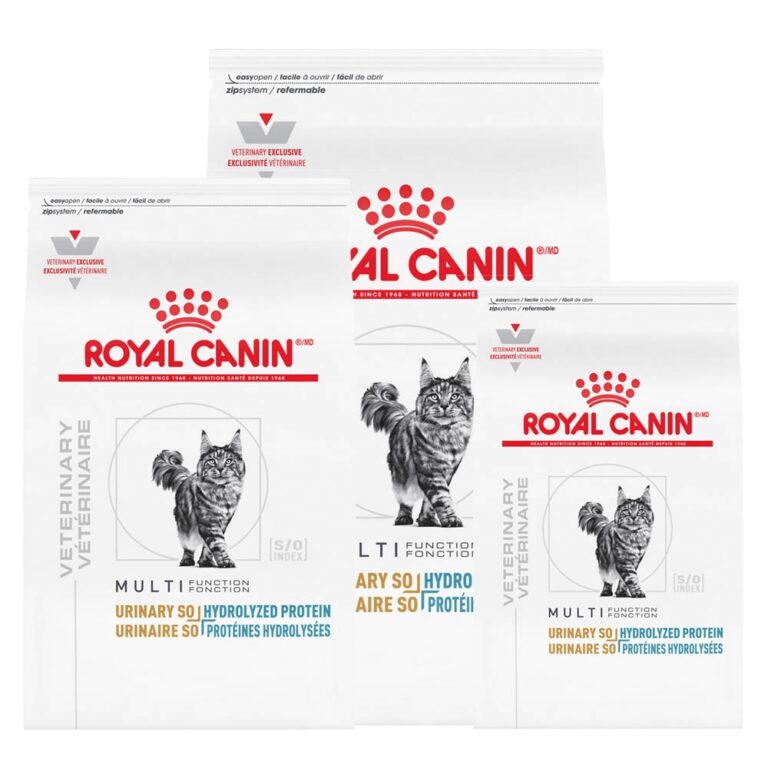
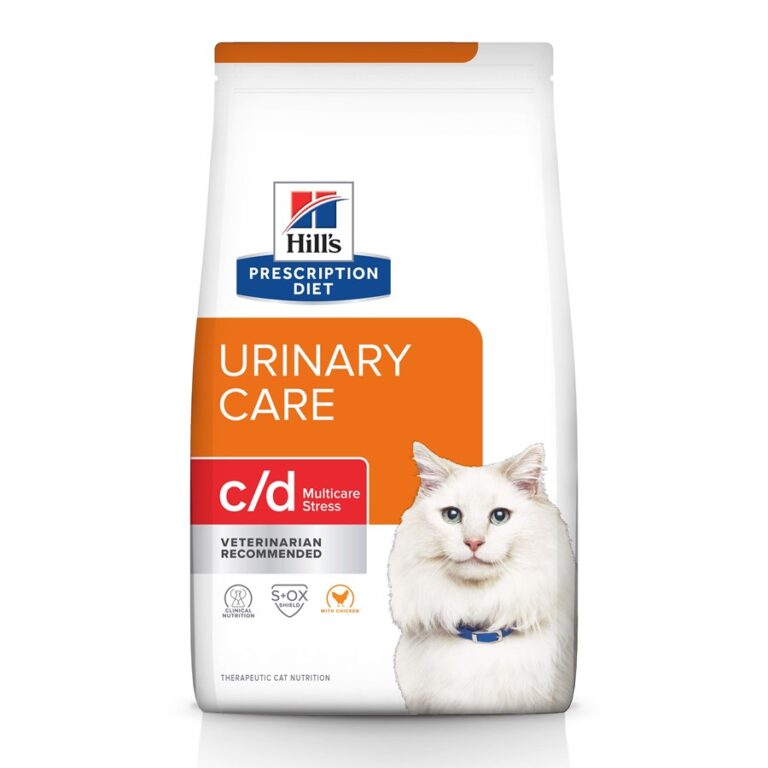
Cats with crystals, stones, kidney disease, or repeated urinary problems may need a prescription diet. Never replace a veterinary diet without speaking with a veterinarian.
Digestive health
Digestible food can support normal stools and reduce digestive upset. Some cats may also benefit from moderate fiber or specific prebiotic fibers.
Sudden food changes are a common cause of vomiting or diarrhea. Even a high-quality food may upset a cat if introduced too quickly.
Skin and coat health
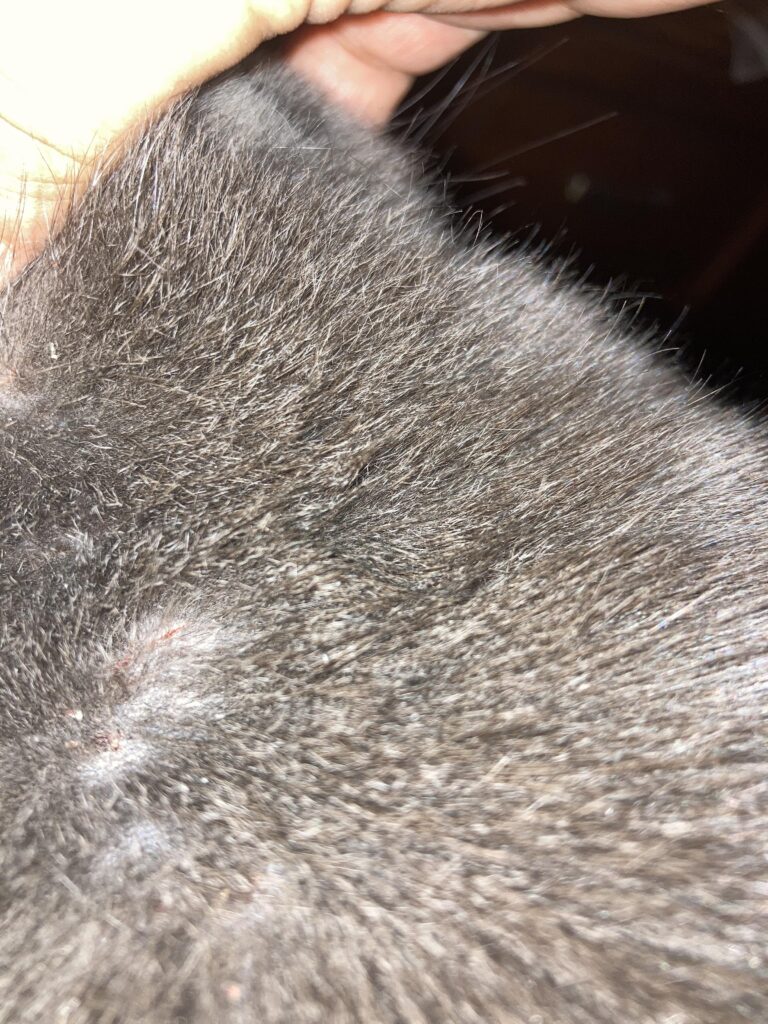
A dull coat, flaky skin, or frequent itching can have many causes. Nutrition is one possible factor, along with fleas, allergies, infection, stress, and illness.
A balanced diet with enough protein and essential fatty acids can support a smooth coat. It is not a cure for every skin problem, so persistent signs need veterinary care.
Healthy aging
Older cats may need different calorie levels, protein amounts, or mineral targets. Some senior cats need more support for kidney, dental, joint, or digestive health.
Age alone does not tell you which food is best. Your cat’s body condition, blood work, activity, and medical history matter too.
What makes cat food “quality”?
The phrase “quality cat food” has no single legal definition. Marketing words such as premium, natural, holistic, and human-grade can sound helpful, but they do not prove that a food is complete or better for every cat.
When choosing food, look for these signs:
• A nutritional adequacy statement: In the United States, look for a statement showing that the food is complete and balanced for a specific life stage.
• Clear life-stage information: Kittens, adults, pregnant cats, and seniors may have different needs.
• Named animal ingredients: Chicken, turkey, beef, or salmon is more specific than a vague term such as meat meal.
• Safe manufacturing: Choose brands that use quality control, testing, and traceable ingredients.
• Calorie information: This helps you set an appropriate daily portion.
• Feeding directions: Use them as a starting point, then adjust based on body condition.
• A company that answers questions: Trustworthy manufacturers should provide nutrient and safety information.
The Association of American Feed Control Officials sets nutritional profiles and labeling rules used by many pet food companies in the United States. These standards are useful, but a label alone cannot tell you whether a food suits your individual cat.
Ingredient lists also have limits. Ingredients appear by weight, and fresh meat contains water. A food with meat listed first is not automatically more nutritious than every other option.

Wet food, dry food, or a combination?
Many cat caregivers ask why do cats need quality food when both wet and dry diets are available. The answer is that food quality, nutrition, and hydration matter more than the format alone.
Benefits of wet food
Wet food contains a high amount of moisture. This may help cats that drink little or need more water in their diet.
It can also be useful for cats that need lower calorie density or softer food. However, opened cans spoil quickly, and some cats dislike the texture.
Benefits of dry food
Dry food is convenient, easy to measure, and simple to store. Some dry diets are designed to support dental health, although ordinary kibble should not be treated as a complete replacement for tooth brushing or professional dental care.
Dry food is also calorie-dense. A small scoop can contain many calories, so measuring it with a kitchen scale or standard measuring cup is wise.
Combining wet and dry food
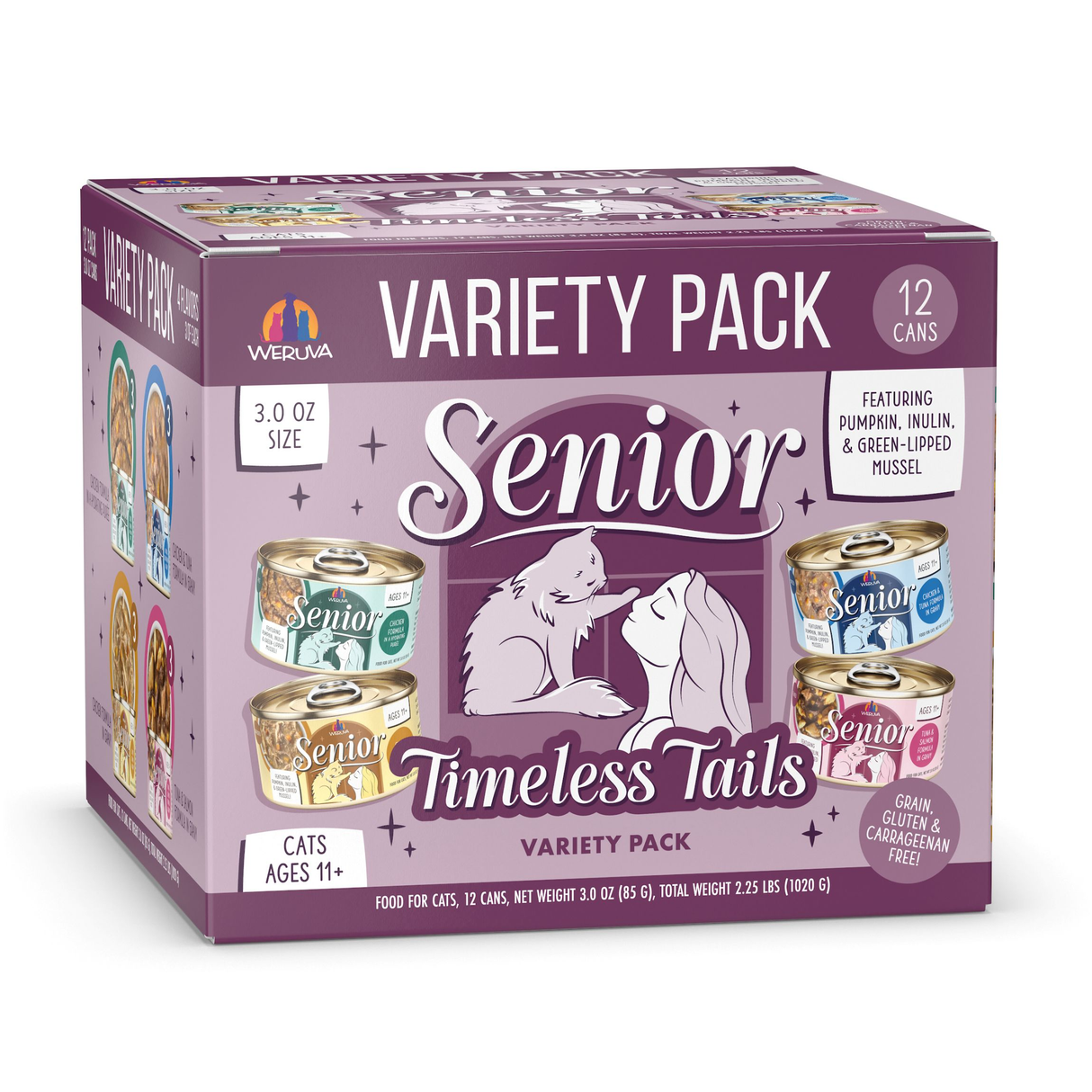
Many cats do well with a mix of wet and dry food. This can offer convenience while adding moisture.
The key is to count total daily calories. Adding wet food on top of the normal dry portion may cause weight gain.
How to choose the best food for your cat
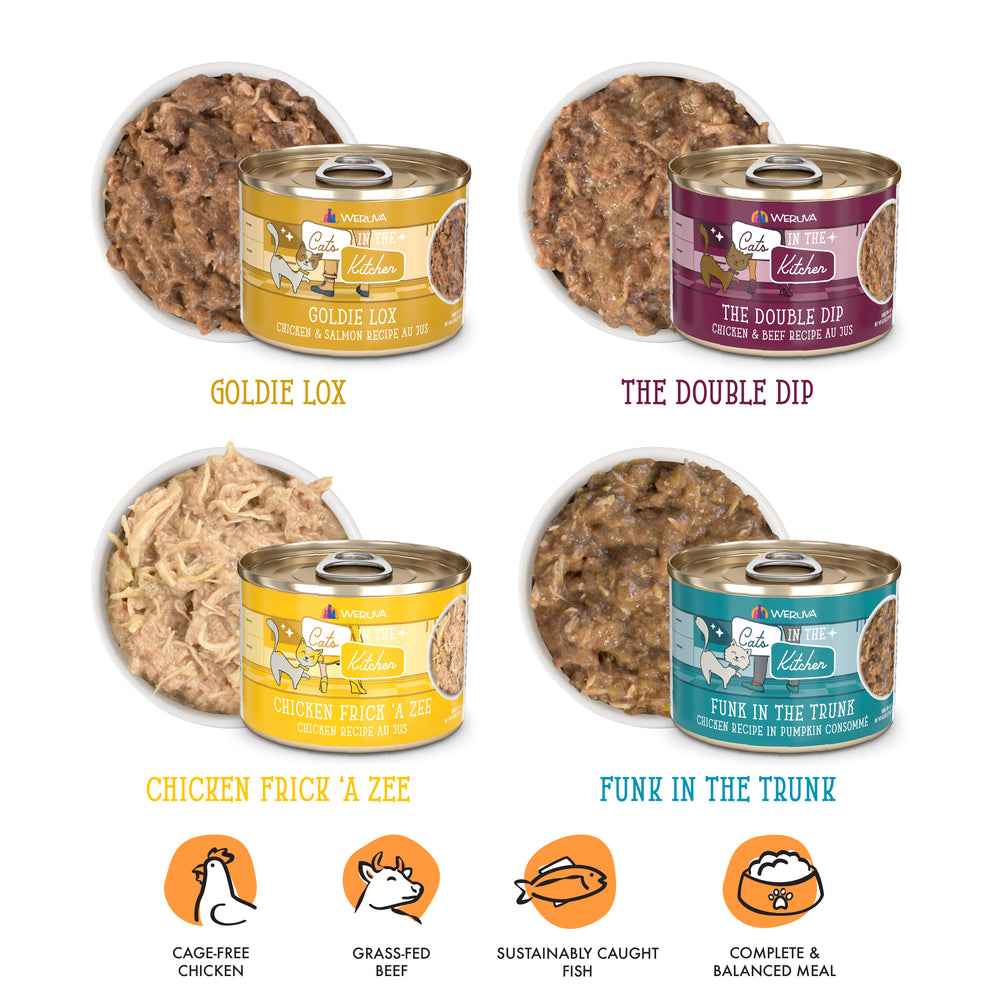
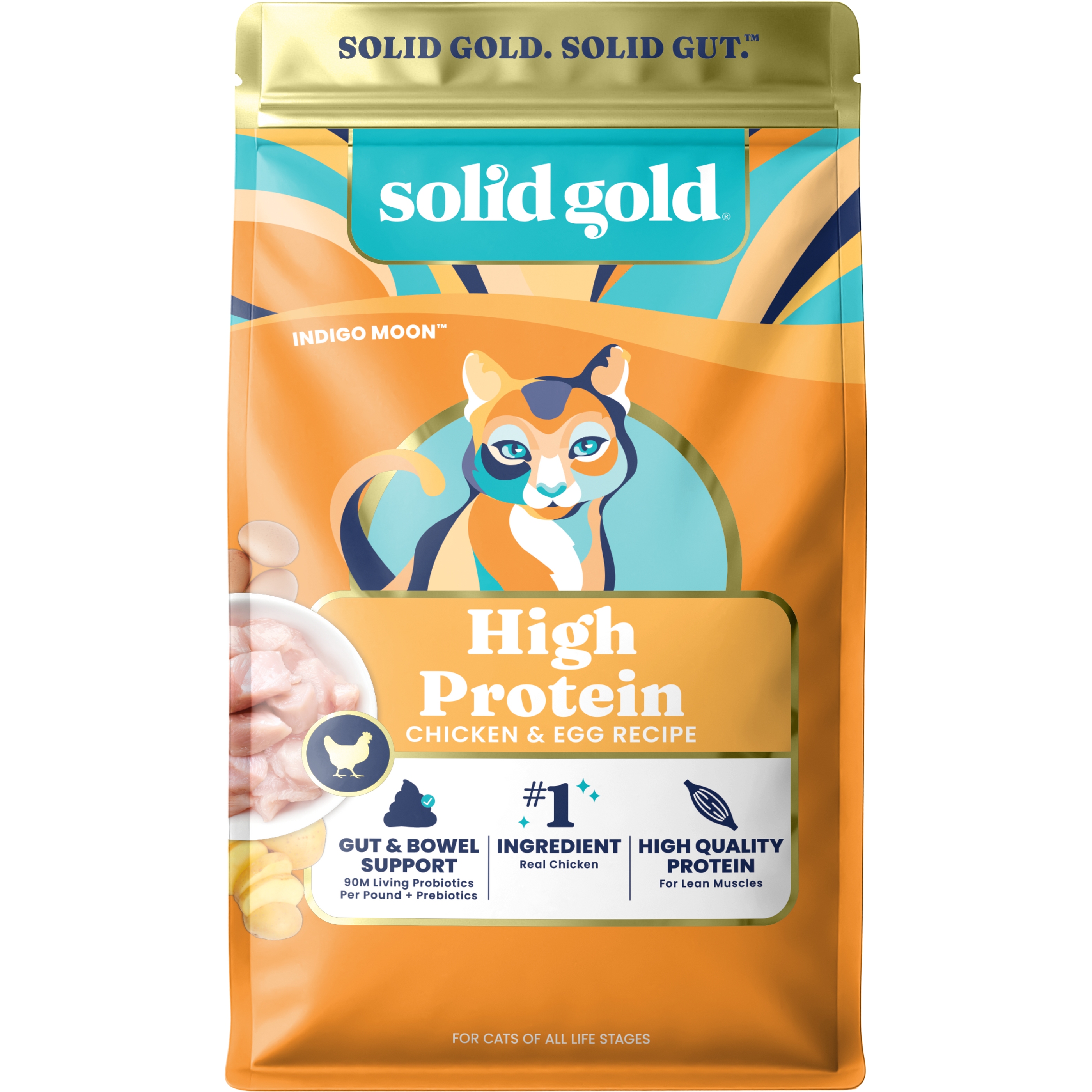
The best food depends on your cat, not just the package. A kitten needs fuel for growth, while an inactive adult may need fewer calories. A cat with kidney disease has very different needs from a healthy young cat.
Use this simple process:
-
Check the life stage. Choose food made for kittens, adults, or all life stages as appropriate.
-
Confirm complete and balanced nutrition. Avoid using treats, toppers, or homemade meals as the main diet unless a veterinary nutritionist has formulated them.
-
Consider your cat’s health. Ask your veterinarian about food for allergies, urinary disease, diabetes, kidney disease, or obesity.
-
Review calorie content. Feed the daily amount, not an unlimited bowl.
-
Watch body condition. You should be able to feel the ribs under a light layer of fat, and your cat should have a visible waist from above.
-
Choose food your cat will eat. A perfect diet is not useful if your cat refuses it.
-
Introduce changes slowly. Mix the new food with the old food over about seven days, or longer for sensitive cats.
A useful lesson from daily cat care is that small changes matter. A few extra treats each day may seem harmless, but they can add up over months. Food labels, measured portions, and regular weight checks help prevent this quiet problem.
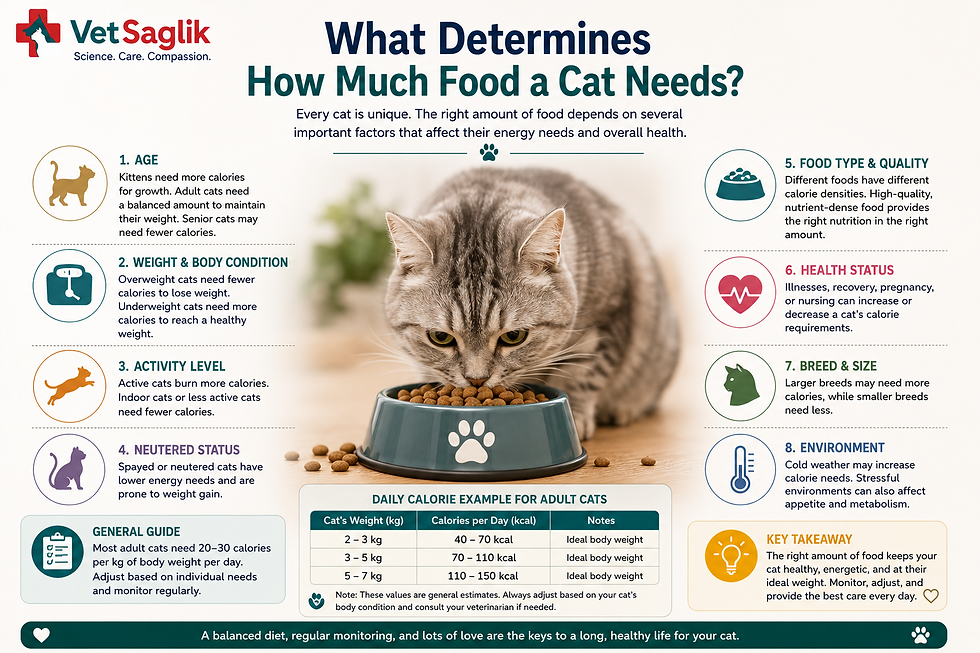
Common feeding mistakes to avoid
Many problems linked to why do cats need quality food come from feeding habits rather than one single ingredient. Even good food can cause trouble when it is offered in the wrong amount or used for the wrong purpose.
Avoid these common mistakes:
• Feeding too many treats: Treats should usually make up no more than about 10% of daily calories.
• Changing food too fast: Sudden changes may cause vomiting, diarrhea, or food refusal.
• Ignoring water intake: Keep clean water available every day.
• Feeding dog food as a regular diet: Dog food does not meet all feline nutritional needs.
• Using supplements without advice: Extra vitamins or minerals may be harmful when added to a complete diet.
• Relying on homemade recipes from the internet: Many lack taurine, calcium, or other essential nutrients.
• Choosing food only by price: Compare nutritional adequacy, calories, quality control, and suitability.
• Letting a cat become overweight: Ask your veterinarian for a safe weight-loss plan rather than sharply cutting food.
• Offering raw food without understanding the risks: Raw diets may expose cats and people to harmful bacteria and may become nutritionally unbalanced.
Cats can also develop food preferences. If your cat eats one texture for years, a sudden switch to another may fail. Offering small, gradual changes early in life can make future diet changes easier.

Can quality food prevent health problems?
Quality food can lower the risk of nutrition-related problems, but it cannot prevent every disease. Genetics, age, environment, infections, stress, exercise, and dental care all affect feline health.
For example, a balanced diet supports normal body function, but it cannot guarantee that a cat will never develop kidney disease. Likewise, urinary food may help a cat with a diagnosed condition, but it is not suitable for every healthy cat.
This is where veterinary advice matters. A veterinarian can assess weight, hydration, teeth, blood work, urine, and medical history. Those details provide a much clearer answer than a food package alone.
Watch for changes such as:
• Reduced appetite or refusal to eat
• Repeated vomiting or diarrhea
• Increased thirst or urination
• Weight loss or weight gain
• A dull coat or severe itching
• Trouble chewing
• Hiding, weakness, or unusual tiredness
A cat that stops eating deserves prompt attention. Cats can develop a serious liver condition called hepatic lipidosis after a period of poor food intake, especially when they are overweight.
How much quality food should a cat eat?
Portion needs depend on body weight, age, activity, metabolism, reproductive status, and health. The feeding chart on the package is a starting point, not a fixed prescription.
To feed more accurately:
• Measure food in grams when possible.
• Divide the daily amount into two or more meals.
• Count treats and table scraps.
• Check weight every few weeks.
• Adjust portions slowly if weight changes.
• Ask your veterinarian for help if your cat is obese, underweight, pregnant, or ill.
Puzzle feeders and timed feeders can make meals more engaging. They may also slow down cats that eat too quickly. However, watch the device at first to ensure your cat uses it safely.
Cats are natural hunters, so small meals may feel more natural than one large serving. A calm feeding routine can also reduce stress in homes with several pets.
Homemade and raw diets: What to know
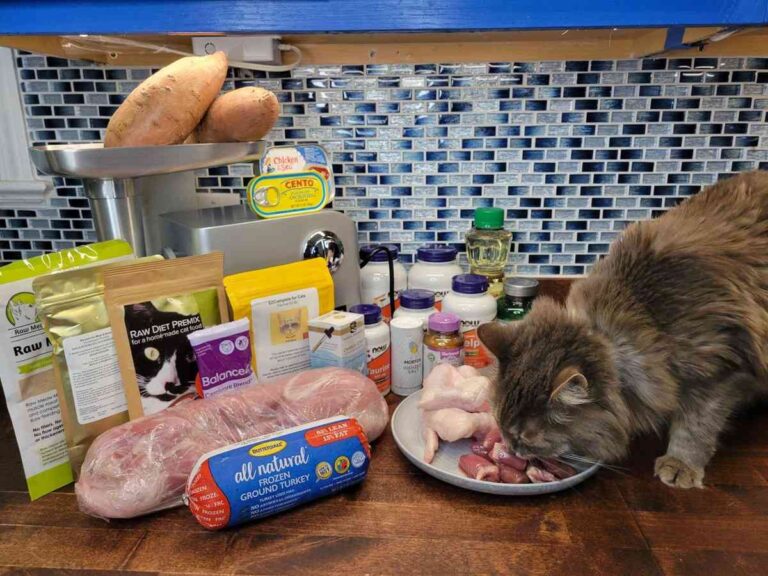
Homemade diets can seem attractive because they offer control over ingredients. Yet creating a complete feline diet is difficult. Small errors in calcium, taurine, vitamin levels, or fat balance can cause harm over time.
If you want to prepare your cat’s food, work with a board-certified veterinary nutritionist. Follow the recipe exactly, including supplements and cooking instructions.
Raw diets have additional concerns. Raw meat can carry bacteria such as Salmonella and Listeria. Bones may cause choking, broken teeth, or intestinal injury. Freezing does not remove every health risk.
The safest choice for many households is a commercial food that is complete and balanced. This does not mean every commercial food is ideal. It means the product has been designed to meet recognized nutrient requirements when fed as directed.
Frequently Asked Questions About Why Do Cats Need Quality Food
Why do cats need quality food instead of leftovers?
Cats need specific nutrients that human leftovers may not provide. Some human foods also contain unsafe ingredients, such as onions, garlic, chocolate, grapes, excess salt, or certain sweeteners.
Why do cats need quality food if they seem healthy?
Nutritional problems may develop slowly before symptoms become clear. A complete diet helps support normal body function and may protect long-term health, even when a cat looks well today.
Is expensive cat food always better?
No. Price does not prove nutritional quality. Check the complete-and-balanced statement, calorie content, ingredient clarity, manufacturing standards, and fit for your cat’s needs.
Do cats need wet food every day?
Not every cat must eat wet food, but it can increase water intake. Wet food may be especially helpful for cats that drink little or need a moisture-rich diet.
Can cats eat only dry food?
Some cats can stay healthy on a complete and balanced dry diet with enough fresh water. Still, dry food is calorie-dense, so measured portions and regular weight checks are important.
How often should I change my cat’s food?
Change food only when there is a good reason, such as age, health needs, poor tolerance, or a product issue. Move slowly over about seven days to reduce digestive upset.
What should I do if my cat refuses a new food?
Offer the new food in small amounts beside the familiar food, then increase it gradually. If your cat refuses all food, vomits, or seems unwell, contact a veterinarian promptly.
Conclusion
Cats need quality food because their bodies rely on precise nutrients, especially animal-based protein, taurine, essential fats, vitamins, minerals, and water. A complete and balanced diet can support healthy muscles, vision, digestion, skin, weight, and aging.
The best choice is not always the most expensive product. Choose food that matches your cat’s life stage and health, measure portions, provide fresh water, and introduce changes slowly. If you are unsure, ask your veterinarian to help create a safe feeding plan.
Start by checking your cat’s current food label and body condition today. For more practical cat-care guidance, explore trusted veterinary resources and share your feeding questions in the comments.