Why Is My Cat Not Eating Chicken: Causes And Tips
Your cat may reject chicken because of taste, texture, past bad experiences, stress, or an underlying health problem.
If you are wondering, “why is my cat not eating chicken,” the answer is not always simple. Chicken can seem like a perfect treat, yet many cats refuse it when they feel sick, dislike its smell or texture, or prefer the taste of their usual food. This guide explains the most likely causes, safe steps to try at home, and signs that your cat needs a veterinarian.
Why Is My Cat Not Eating Chicken?
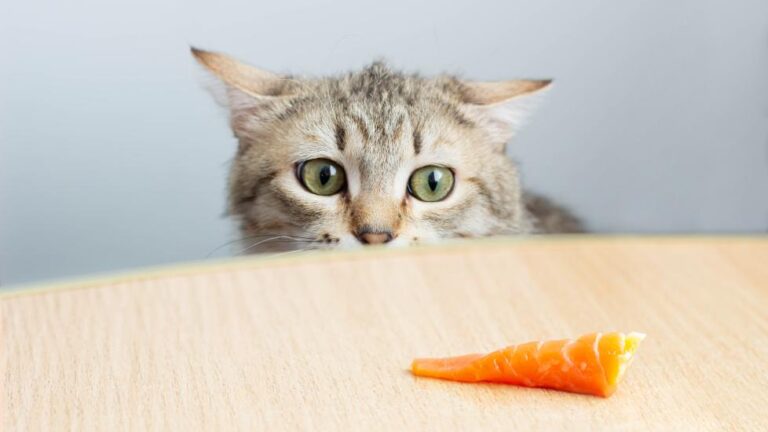
The most common reason is simple: your cat does not like that particular chicken. Cats have strong food preferences. They may dislike boiled chicken but enjoy canned chicken-based food, or they may prefer dark meat over breast meat.
However, a sudden refusal of chicken can also point to pain or illness. Cats often hide discomfort, so a change in appetite may be one of the first clues that something is wrong.
Common reasons include:
• The chicken is too dry, bland, cold, or tough.
• Your cat dislikes the smell or texture.
• The chicken contains seasoning, skin, or too much fat.
• Your cat feels stressed or unsafe while eating.
• Dental pain makes chewing uncomfortable.
• Nausea, stomach upset, kidney disease, or another illness reduces appetite.
• Your cat has learned that refusing food may lead to a favorite treat.
If your cat refuses chicken but eats a complete and balanced cat food, the issue may simply be preference. If your cat refuses all food, take the change more seriously.

Your Cat May Simply Dislike the Taste or Texture
Cats do not view food as humans do. A warm piece of roasted chicken may smell delicious to you, but your cat may find it unappealing. Cats rely heavily on smell, and even small changes in scent can affect their interest.
Texture also matters. Some cats like smooth pâté. Others prefer shredded meat, gravy, or crunchy kibble. Boiled chicken can be soft but stringy, while baked chicken may be too firm or dry.
Try offering a very small amount of plain chicken in different forms:
• Finely shredded chicken breast
• Moist dark meat with the skin removed
• Chicken mixed with a little warm water
• A small amount of plain chicken broth with no onion, garlic, or added salt
• A complete wet cat food with chicken as an ingredient
Do not keep changing foods every few minutes. Offer one safe option, wait, and observe. Too many choices can make some cats more cautious.
Chicken May Smell Different Than Your Cat Expects
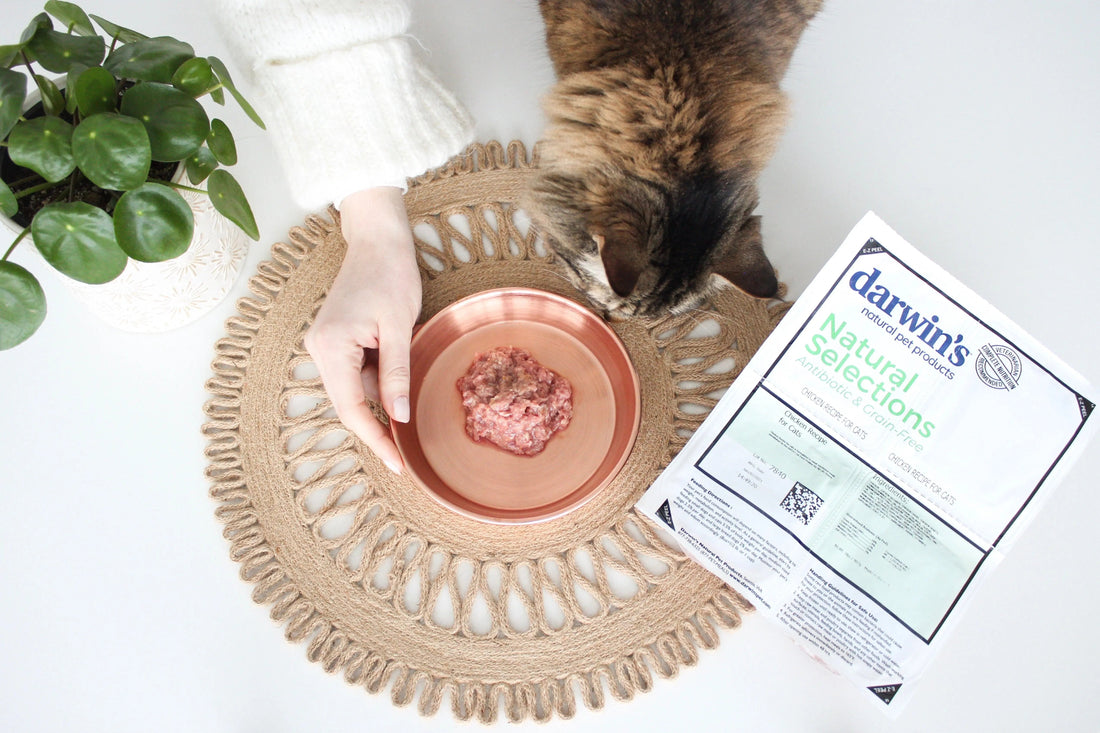
Cats have a powerful sense of smell. The way you cook chicken can change its scent and moisture. Frozen chicken, reheated chicken, and chicken stored in the refrigerator may smell very different to your cat.
Cold food often has less aroma. Warming wet food slightly can make it more appealing, but it should never be hot. Test the temperature with your finger before serving.
A useful method is to warm food until it is close to room temperature. Then place it in a clean, shallow dish. Some cats dislike deep bowls because their whiskers touch the sides.
Also check the age and storage of the chicken. Spoiled food can cause illness and may teach your cat to avoid that smell in the future. Refrigerated cooked chicken should be used promptly, and food left at room temperature for several hours should be discarded.

The Chicken May Not Be Safe for Cats
Plain, fully cooked chicken can be safe as a small treat for many cats. It should not replace a complete and balanced cat diet unless a veterinary nutritionist has created the recipe.
Avoid giving your cat chicken that contains:
• Garlic, onion, shallots, or leeks
• Heavy salt or spicy seasoning
• Butter, sauces, or marinades
• Fried skin or large amounts of fat
• Cooked bones
• Raw meat from an uncertain source
Onion and garlic can damage a cat’s red blood cells. Cooked bones can splinter and cause choking, mouth injuries, or intestinal blockage. Fatty skin may cause stomach upset and can raise the risk of pancreatitis in some pets.
Raw chicken may carry harmful bacteria. Freezing does not reliably remove every risk. If you choose raw feeding, discuss the plan with your veterinarian and follow strict food safety rules.
Your Cat May Have Dental Pain
Dental disease is a frequent reason a cat stops eating certain foods. A cat with sore teeth may avoid dry kibble, chewy meat, or food that requires much chewing. Some cats still show interest in food but walk away after smelling it.
Watch for signs such as:
• Dropping food from the mouth
• Chewing on one side
• Pawing at the face
• Bad breath
• Red or bleeding gums
• Excessive drooling
• Weight loss
• Turning the head while chewing
Cats often hide dental pain well. A normal-looking mouth does not always rule out disease because problems can occur below the gumline. A veterinary dental exam may be needed.
Do not give human pain medicine. Drugs such as acetaminophen and ibuprofen can be dangerous or fatal to cats.

Illness Can Explain Why Your Cat Is Not Eating Chicken
When people ask, “why is my cat not eating chicken,” they may expect a food preference answer. Yet appetite loss can be linked to many health problems.
Possible causes include:
• Nausea or vomiting
• Constipation
• Hairballs or intestinal blockage
• Dental disease
• Kidney disease
• Liver disease
• Diabetes
• Pancreatitis
• Infection or fever
• Cancer
• Stress or pain
A cat may approach food, sniff it, and walk away. This behavior can suggest nausea or a learned dislike. It is sometimes called food aversion. For example, if a cat ate chicken shortly before becoming sick, the cat may avoid chicken later, even if the chicken did not cause the illness.
A sudden appetite change deserves attention. Cats that eat very little for several days can develop hepatic lipidosis, also called fatty liver disease. This risk is higher in overweight cats, but any cat can become seriously ill after prolonged food refusal.

Stress Can Affect Your Cat’s Appetite
Cats are sensitive to changes in their surroundings. A move, new pet, loud noise, unfamiliar people, or a different feeding area can reduce appetite.
Your cat may also avoid chicken if the food is offered near something frightening. Examples include a washing machine, a busy hallway, a litter box, or another cat that guards resources.
Make mealtimes calm and predictable:
-
Place the food in a quiet area.
-
Use a clean, shallow bowl.
-
Keep other pets away while your cat eats.
-
Serve food at a comfortable temperature.
-
Keep a regular feeding schedule.
-
Avoid watching or handling your cat too much during the meal.
An anxious cat may need time before eating. Give your cat privacy, but keep track of how much food and water are consumed.
How to Encourage Your Cat to Eat Safely
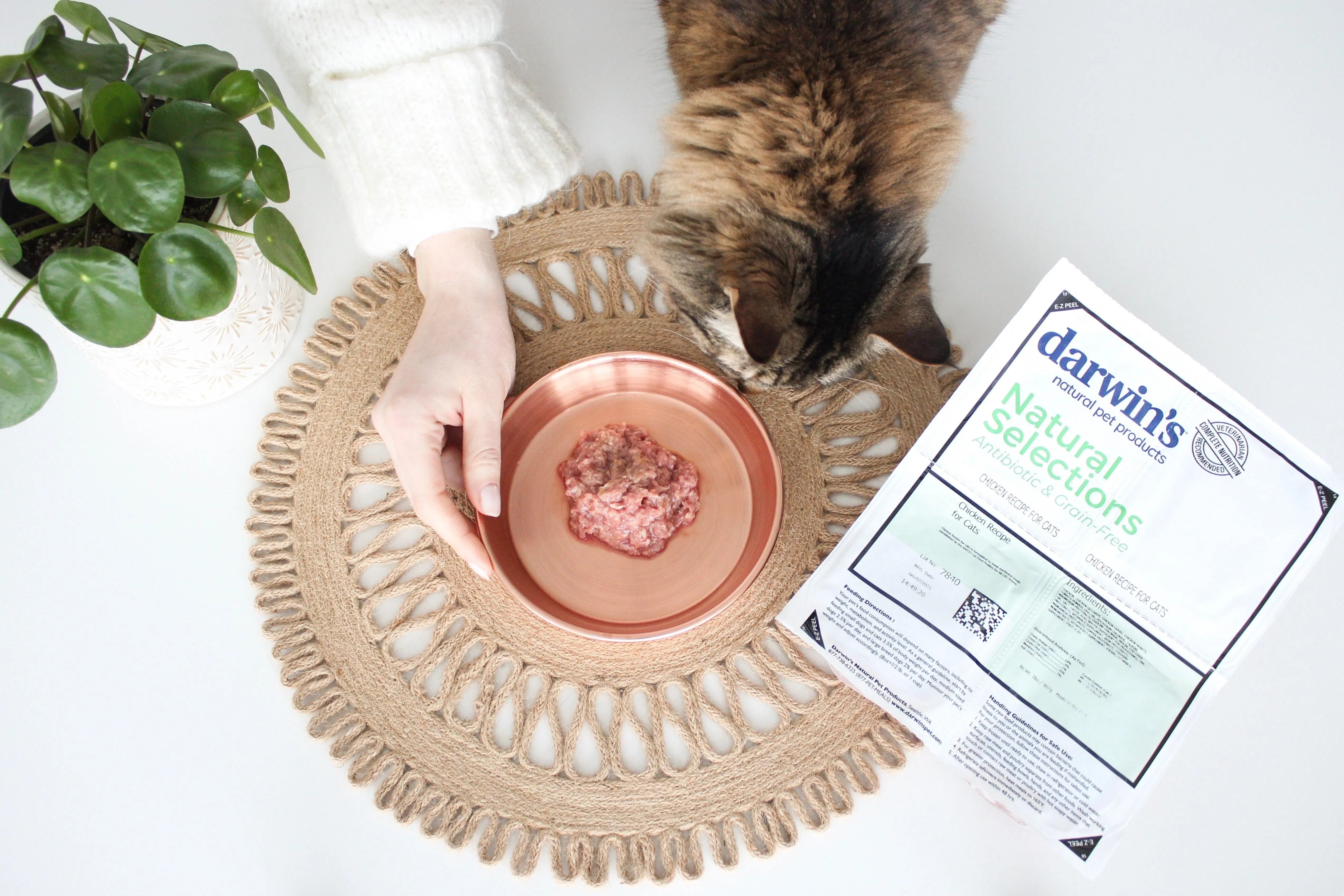
If your cat is alert and otherwise acting normally, you can try gentle appetite support at home. The goal is not to force chicken. The goal is to find a safe, appealing food your cat will eat.
Try these steps:
• Offer the cat food your pet usually enjoys.
• Warm wet food slightly to increase its smell.
• Add a small amount of water to wet food.
• Try a different texture, such as pâté or minced food.
• Use a tiny amount of plain chicken as a topper.
• Offer small portions more often.
• Wash the bowl after each meal.
• Keep food away from the litter box.
Do not force food into your cat’s mouth. Force-feeding can increase stress and may cause food to enter the airway. It can also make food aversion worse.
Avoid milk, baby food with onion powder, seasoned broth, and unapproved supplements. If your cat needs an appetite stimulant, a veterinarian can choose a suitable medicine and dose.
When to Call a Veterinarian
Knowing when to seek help is important. A healthy adult cat that skips one meal but quickly returns to normal may only need close observation. A cat that refuses food, seems unwell, or has other symptoms needs prompt advice.
Contact a veterinarian if your cat:
• Has not eaten for about 24 hours
• Eats much less than usual for more than a day
• Vomits repeatedly
• Has diarrhea that continues or contains blood
• Seems weak, painful, confused, or unusually sleepy
• Has trouble breathing
• Cannot keep water down
• Has yellow gums, eyes, or skin
• Is losing weight
• Is a kitten, senior cat, or has a chronic disease
Seek emergency care for breathing trouble, collapse, severe pain, suspected poisoning, repeated vomiting, or possible ingestion of bones or medication.
Your veterinarian may perform a physical exam, check the mouth, and recommend blood tests or imaging. These tests help separate a simple food preference from a serious medical problem.
Chicken as a Treat Versus a Main Diet
Chicken alone does not provide every nutrient a cat needs. Cats require specific amounts of taurine, vitamin A, arachidonic acid, calcium, and other nutrients. Plain meat is low in some essential nutrients, especially calcium, when it is fed without bones or a properly designed supplement plan.
For this reason, chicken should usually be a treat or topper, not the main meal. Treats should make up only a small part of the daily diet. A complete cat food should provide the main source of nutrition.
If your cat is on a prescription diet, ask your veterinarian before adding chicken. Even small extras can affect some medical diets, especially diets for kidney disease, urinary disease, food allergies, or diabetes.
A Practical Example: When Chicken Refusal Is Not the Real Problem
Imagine a cat named Luna that suddenly refuses boiled chicken. Her family offers roasted chicken, treats, and milk, but Luna eats very little. She also drools and walks away from her bowl.
The real problem may not be the chicken. Drooling and walking away can point to mouth pain or nausea. Offering more exciting foods may delay the examination and make it harder to notice the warning signs.
A better approach is to record what Luna eats, check for other symptoms, remove unsafe foods, and contact a veterinarian. This simple record can help the veterinary team understand how quickly the appetite changed.
One common mistake is waiting because the cat still drinks water. Drinking is reassuring, but it does not prove that the cat is healthy. Cats can become dangerously ill while still drinking.
How to Track Your Cat’s Appetite
A food diary can help you spot small changes. Measure the food before serving and note what remains. Also record water intake, vomiting, stool, urination, activity, and weight if you can do so safely.
Track:
• The type and amount of food offered
• The amount actually eaten
• The time of each meal
• Any vomiting or diarrhea
• Changes in behavior
• Litter box habits
• Your cat’s body weight
Do not rely only on an empty bowl. Another pet may be eating the food, or your cat may be taking tiny bites. A measured feeding routine gives a clearer picture.
If your cat is overweight, avoid sudden starvation or crash diets. Weight loss should be gradual and guided by a veterinarian because rapid fat breakdown can harm the liver.
Frequently Asked Questions About Why Is My Cat Not Eating Chicken
Why is my cat not eating chicken but eating treats?
Your cat may prefer the stronger smell, flavor, or texture of treats. However, illness can also cause selective eating, so contact a veterinarian if the cat eats very little or shows other symptoms.
Is plain cooked chicken safe for cats?
Plain, fully cooked chicken without bones, skin, salt, onion, garlic, or seasoning is usually safe as a small treat. It is not nutritionally complete enough to replace a balanced cat food.
Why is my cat not eating chicken after getting sick?
Your cat may have developed a food aversion after feeling nauseated. A veterinarian should still check for the original cause, especially if appetite remains poor or vomiting continues.
Can cats refuse chicken because of dental pain?
Yes. Sore teeth or gums can make chewing painful, even when a cat still seems interested in food. Drooling, bad breath, dropping food, and chewing on one side are useful warning signs.
How long can a cat go without eating?
Do not assume that a cat can safely fast for several days. Contact a veterinarian if an adult cat has eaten nothing for about 24 hours, or sooner if the cat is young, elderly, overweight, sick, or showing other symptoms.
Should I give my cat raw chicken?
Raw chicken can contain bacteria and may pose food safety risks. Cooked, unseasoned chicken is generally a safer option, and raw diets should be discussed with a veterinarian.
Should I force my cat to eat chicken?
No. Force-feeding can increase fear, worsen food aversion, and create a risk of aspiration. Offer safe foods calmly and seek veterinary help when appetite loss continues.
Conclusion
The answer to “why is my cat not eating chicken” may be a simple dislike of taste or texture, but it can also involve dental pain, nausea, stress, or a serious illness. Offer small amounts of safe, plain food, keep meals calm, and never use seasoned chicken, bones, or unsafe leftovers.
Pay close attention to how much your cat eats and to any changes in behavior, vomiting, weight, or litter box use. If your cat refuses all food for about 24 hours or seems unwell, contact a veterinarian promptly. Share this guide with another cat owner, and keep exploring trusted veterinary resources so you can make confident choices for your cat’s health.