Why Is Kibble Bad For Cats: Hidden Health Risks
Kibble can be bad for cats when it supplies too little moisture, too many calories, or an unsuitable nutrient balance.
The question “why is kibble bad for cats” has no one-size-fits-all answer. Dry food is not poison, and some cats do well on a complete, balanced formula. However, its low water content, high calorie density, and use of starch can create problems for certain cats. This guide explains the risks, the limits of the evidence, and how to choose a safer feeding plan with your veterinarian.

Why Is Kibble Bad for Cats?
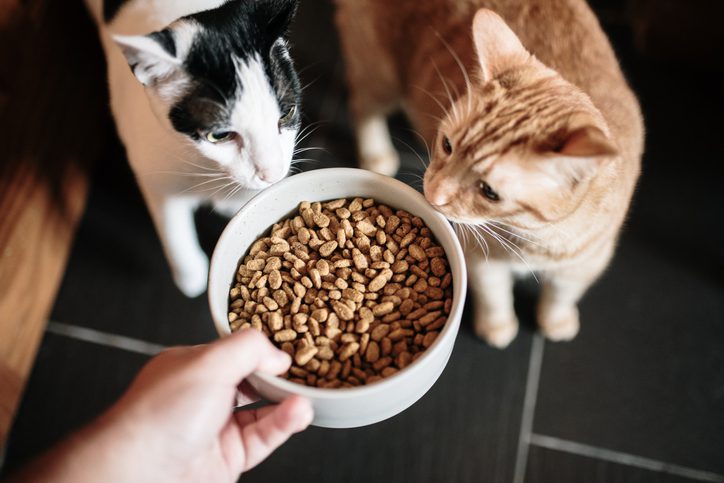
Kibble is dry cat food made by mixing ingredients, cooking them under heat and pressure, drying the pieces, and often adding a coating for taste. It is convenient, easy to measure, and usually less costly than wet food.
The concern is not that every piece of kibble is harmful. The concern is that dry food does not match some basic features of a cat’s natural diet. Cats evolved to get much of their water from prey, which contains a large amount of moisture.
So, why is kibble bad for cats in some cases?
The main reasons include:
• Kibble contains very little water compared with wet food.
• Dry food is often high in calories for its size.
• Many formulas use starch to hold the pieces together.
• Some cats may not drink enough to replace the missing moisture.
• Kibble may worsen weight, urinary, digestive, or blood sugar problems in cats that are already at risk.
A healthy cat may tolerate a well-made dry diet. Still, a cat with kidney disease, urinary crystals, diabetes, constipation, obesity, or dental pain may need a different plan.
Low Moisture Is the Biggest Concern
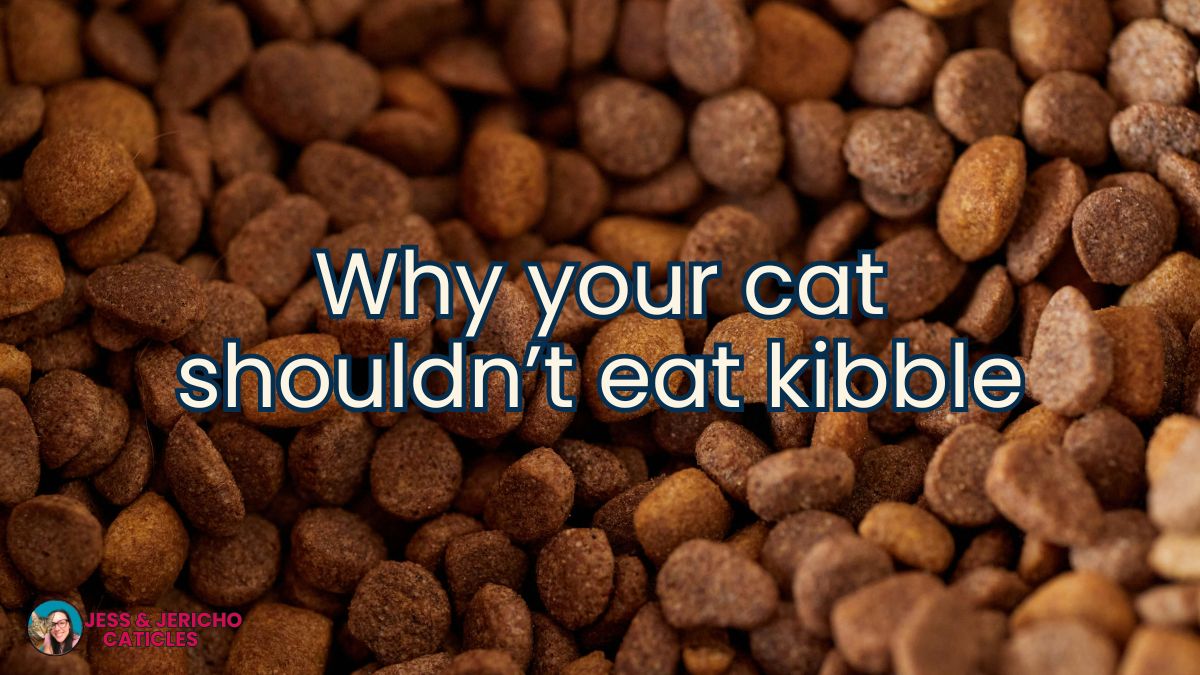
Most dry cat food contains about 6% to 10% moisture. Canned food often contains around 70% to 80% moisture. This difference matters because cats are not always strong drinkers.
A mouse or small bird, which resembles the type of prey cats evolved to eat, contains a great deal of water. A cat eating wet prey may not need to visit a water bowl often. A cat eating kibble must drink more to reach the same level of hydration.
Many cats do not make up the full gap. They may drink more when eating dry food, but often not enough to match the water found in wet food. This can leave the urine more concentrated.
Concentrated urine may be a concern for cats prone to:
• Urinary crystals
• Bladder stones
• Feline lower urinary tract disease
• Painful urination
• Urinary blockages
• Constipation
Dehydration is especially important in older cats and cats with kidney disease. Kidney problems can make it harder for a cat to conserve water, while dry food may provide very little moisture. In these cases, adding water to meals or using wet food may support better fluid intake, but your veterinarian should guide the full diet.
This is one of the clearest answers to why is kibble bad for cats: it can make daily hydration harder than it needs to be.
Kibble May Increase Urinary Tract Risk
Dry food does not automatically cause urinary disease. Urinary problems are complex. Genetics, stress, body weight, activity, mineral levels, water intake, and existing illness all play a role.
Still, moisture is an important piece of the puzzle. A cat that eats mostly kibble may produce a smaller amount of more concentrated urine. Some cats may also have urine pH and mineral levels that support crystal formation.
Male cats face a special risk because their urethra is narrow. A blockage is a medical emergency. Warning signs include:
• Repeated trips to the litter box
• Straining to urinate
• Crying or restlessness
• Licking the genital area
• Blood in the urine
• Producing only drops or no urine
If a cat cannot urinate, seek emergency veterinary care right away. Do not wait to see whether the problem improves.
Some prescription dry diets are designed to manage urinary disease. These foods may help when used under veterinary guidance. This is why it is too simple to say that all kibble is bad for cats. The formula, the cat’s health, and the amount of water consumed all matter.

Dry Food Can Make Weight Control Harder
Kibble is energy dense. A small scoop can contain many calories, yet it may not look like much food in the bowl. This makes overfeeding easy, especially when food stays available all day.
Free feeding can also hide how much a cat eats. One cat may nibble a little at a time. Another may return to the bowl out of boredom, habit, or stress. In homes with more than one pet, it can be hard to know who ate what.
Extra weight raises the risk of:
• Diabetes
• Joint strain
• Reduced grooming
• Skin problems
• Breathing trouble
• Fatty liver disease after sudden food refusal
Wet food often contains more water and fewer calories per gram. This can allow a cat to eat a larger portion while taking in fewer calories. It is not a magic weight loss tool, but it may make portion control easier.
To manage calories:
-
Ask your veterinarian for a daily calorie target.
-
Weigh food with a kitchen scale instead of guessing with a cup.
-
Count treats as part of the daily intake.
-
Measure meals instead of keeping a full bowl available.
-
Check body shape and weight every few weeks.
A feeding label is a starting point, not a perfect prescription. Cats differ in age, size, activity, metabolism, and health.
The Role of Carbohydrates in Cat Food
Cats are obligate carnivores. This means they depend on nutrients found in animal tissues and have special dietary needs for substances such as taurine, arachidonic acid, and preformed vitamin A.
Cats can digest and use some carbohydrates. Carbohydrates are not automatically toxic to them. However, dry food needs a source of starch so the ingredients can form a stable kibble shape.
The amount varies by product. Some foods use grains, while others use potatoes, peas, tapioca, or other starches. A grain-free label does not mean low carbohydrate, and it does not automatically mean healthier.
Possible concerns with a high carbohydrate intake include:
• Easier overfeeding because of calorie density
• Less room for animal protein in the recipe
• Poor fit for some diabetic cats
• Greater difficulty controlling weight
• Reduced dietary moisture when starch replaces water-rich ingredients
Research does not show that every carbohydrate-containing food causes diabetes. Feline diabetes is influenced by obesity, genetics, inactivity, and other factors. Still, many diabetic cats benefit from a diet that is higher in protein and lower in carbohydrates, under veterinary supervision.
When asking why is kibble bad for cats, it is more accurate to ask whether a specific kibble has too much starch for a specific cat.

Does Kibble Clean a Cat’s Teeth?
Many people believe kibble cleans teeth because it is crunchy. Ordinary kibble usually does not provide reliable dental cleaning. Most pieces shatter or crumble when a cat bites them, and many cats swallow them with little chewing.
Some specially designed dental diets have a larger texture and a formula tested for plaque or tartar control. These products are not the same as ordinary dry food. Even then, they do not replace veterinary dental exams or professional care.
Dental disease is common in cats. Signs can include:
• Bad breath
• Dropping food
• Chewing on one side
• Pawing at the mouth
• Weight loss
• Irritability during meals
• Refusing hard food
A cat may continue eating despite severe mouth pain. Cats often hide discomfort, so a normal appetite does not prove that the mouth is healthy.
Daily tooth brushing with cat-safe toothpaste is one of the most effective home care methods. Never use human toothpaste, since some ingredients can harm pets. Ask a veterinarian to show you safe brushing steps.

Kibble Processing and Ingredient Quality
Kibble is exposed to heat during production. Heat helps destroy harmful microbes and makes the food shelf stable. It can also change some nutrients, so manufacturers add vitamins, minerals, amino acids, and other nutrients after processing.
Processing is not automatically bad. Safety and nutrient balance matter more than the simple fact that a food was cooked.
The bigger issue is the finished formula. Look for a food that:
• Meets recognized standards for complete and balanced nutrition
• Lists a clear nutritional adequacy statement
• Provides enough animal protein for the cat’s life stage
• Has quality control and feeding data when available
• Fits the cat’s medical needs
• Comes from a company with reliable nutrition and safety practices
Ingredients can offer useful clues, but the ingredient list does not tell the whole story. A long list is not always bad, and a short list is not always better. Ingredient order also reflects weight before processing, which can make comparisons confusing.
A veterinary nutritionist can help when a cat has complex needs. Homemade diets should not be created from internet recipes alone. Many homemade recipes lack taurine, calcium, or other essential nutrients.
When Kibble May Be a Poor Choice
The answer to why is kibble bad for cats becomes clearer when we look at cats with specific health conditions.
Cats with Kidney Disease
Cats with chronic kidney disease often need careful control of phosphorus, protein quality, calories, and hydration. Some therapeutic diets are available in both wet and dry forms, but many cats benefit from the extra moisture in canned food.
Never change a kidney diet suddenly without veterinary advice. A cat that stops eating can become seriously ill.
Cats with Diabetes
Many diabetic cats do better with a high protein, lower carbohydrate diet. Some cats need less insulin after a diet change, which means glucose levels require close monitoring.
Do not change food and insulin doses at the same time without your veterinarian. The combination may cause dangerously low blood sugar.
Cats with Urinary Problems
Cats with urinary disease may need a prescription diet designed to change urine concentration, mineral balance, or pH. A regular store-bought kibble may not provide the same effect.
Water fountains, extra bowls, and wet meals can encourage fluid intake. They are helpful tools, but they do not replace medical treatment.
Overweight Cats
Dry food can make calorie control difficult for cats that graze. A measured meal plan, increased play, and a food with suitable calories may help.
Weight loss must be slow. Rapid weight loss or sudden refusal to eat can trigger hepatic lipidosis, also called fatty liver disease.
Cats with Constipation
Low water intake can contribute to hard stools in some cats. Moist food may help, but constipation can also result from pain, hair, dehydration, megacolon, or other disease.
A cat that strains, vomits, or stops passing stool needs veterinary attention.
Is Wet Food Better Than Kibble?
Wet food is often better for hydration. It can also make calorie control easier and may suit cats with urinary, kidney, or constipation concerns.
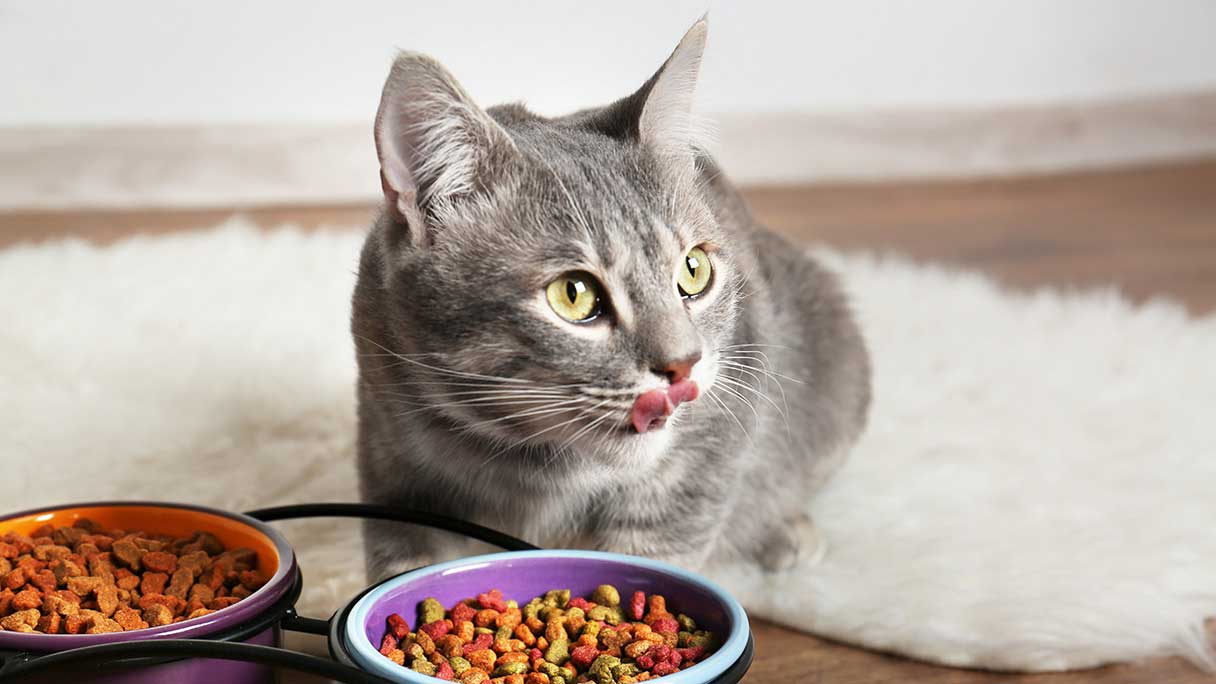
Kibble has practical benefits. It is convenient, simple to portion, less messy, and often easier for caregivers who work long hours. Some cats also prefer its taste or texture.
A mixed feeding plan may work well. For example, a cat might eat measured kibble at one meal and wet food at another. Another option is to add a small amount of warm water to dry food, though some cats reject the changed texture.
The best food is one that is:
• Complete and balanced
• Appropriate for the cat’s age and health
• Fed in the correct amount
• Accepted by the cat
• Affordable enough to use consistently
• Supported by regular veterinary care
A perfect diet that a cat refuses is not useful. Food changes should be gradual over about 7 to 10 days, unless a veterinarian gives different advice.
How to Choose Safer Cat Food
If you decide to keep kibble in your cat’s diet, focus on the complete feeding plan rather than marketing claims.
Check the label for:
-
A statement that the food is complete and balanced for the correct life stage.
-
Calorie information per cup, can, or gram.
-
Protein and fat levels.
-
A reasonable carbohydrate level for your cat’s health needs.
-
Feeding directions that can be adjusted for body condition.
-
Manufacturer contact information and quality control details.
Ask the company whether it employs qualified animal nutrition experts, performs nutrient testing, and conducts feeding trials or other product evaluations. Transparency does not guarantee perfection, but it provides useful evidence.
Be cautious with claims such as “natural,” “premium,” “holistic,” or “human grade.” These terms may sound reassuring, but they do not automatically prove that a food is right for your cat.
Treats should make up no more than about 10% of daily calories for most cats. Frequent treats can quietly undo careful meal planning.
How to Add More Water to a Cat’s Diet
If your cat eats kibble, small changes can increase water intake.
Try these options:
• Place water bowls in several quiet areas.
• Use wide, shallow bowls if whisker contact bothers your cat.
• Keep water away from litter boxes.
• Wash bowls often.
• Test a fountain if your cat likes moving water.
• Offer wet food once or twice daily.
• Add a little warm water to wet food.
• Use a small amount of plain, low-sodium broth only if it contains no onion, garlic, or unsafe additives.
Do not force water into a cat’s mouth. This can cause stress or aspiration. If your cat suddenly drinks much more or much less than normal, arrange a veterinary checkup.
Changes in urination, thirst, appetite, or body weight can be early signs of illness. A simple water strategy cannot fix an underlying medical problem.
Common Mistakes Cat Owners Make
Understanding why is kibble bad for cats also means avoiding common feeding mistakes.
Leaving Food Out All Day
Free feeding can lead to weight gain and makes appetite changes harder to notice. Measured meals provide better control.
Changing Food Too Fast
A sudden switch may cause vomiting, diarrhea, or food refusal. Mix the new food with the old food in slowly increasing amounts.
Assuming Grain-Free Means Better
Grain-free foods may still contain large amounts of starch from peas, potatoes, or tapioca. Judge the full nutritional profile.
Trusting Dental Claims
Crunchy texture is not the same as proven dental care. Use brushing, dental products with evidence, and professional exams.
Ignoring a Cat That Stops Eating
Cats should not go without food for long, especially if they are overweight. Contact a veterinarian quickly if appetite drops or stops.
Making Homemade Food Without a Formula
A homemade diet can be balanced, but it must be designed with precise nutrient amounts. Meat alone is not a complete diet for cats.
One practical lesson is simple: monitor the cat, not just the package. A glossy label cannot tell you whether your cat is hydrated, comfortable, lean, active, and thriving.
Signs Your Cat’s Diet May Need Review
No single symptom proves that kibble is the cause. However, several changes deserve attention.
Watch for:
• Weight gain or weight loss
• Increased thirst
• Frequent urination
• Straining in the litter box
• Constipation
• Vomiting or diarrhea
• Dull coat
• Reduced energy
• Bad breath
• Food refusal
• Changes in chewing
Keep a short food and symptom diary. Record the brand, amount, treats, water intake, stool, urine habits, and body weight. This information can help your veterinarian find patterns.
Seek urgent care for inability to urinate, repeated vomiting, severe weakness, trouble breathing, collapse, or complete food refusal. Cats can worsen quickly, and early treatment often gives them a better chance of recovery.
A Practical Feeding Plan
A balanced plan does not need to be complicated.
-
Schedule a wellness exam and discuss your cat’s diet.
-
Ask for a target body weight and daily calorie range.
-
Choose a complete and balanced food for the correct life stage.
-
Include wet food or other safe ways to increase moisture when appropriate.
-
Measure every meal.
-
Offer fresh water in more than one location.
-
Weigh your cat every few weeks.
-
Change foods gradually.
-
Recheck the plan if your cat develops a health condition.
For cats with diagnosed disease, follow the treatment diet exactly as directed. Prescription foods are formulated for specific goals, and mixing them with unrelated foods may reduce their benefit.
This flexible approach avoids two extremes: assuming kibble is always harmful or assuming every dry food is equally suitable.
Frequently Asked Questions About Why Is Kibble Bad for Cats
Is kibble toxic to cats?
No. Complete and balanced kibble is not toxic when it is appropriate for the cat and fed in the correct amount. Its main limitations are low moisture, calorie density, and the needs of cats with certain medical conditions.
Should cats eat wet food instead of dry food?
Wet food can provide more water and may help with weight or urinary management. Some cats can remain healthy on a balanced dry diet, while others do best with a mixed or mostly wet feeding plan.
Can kibble cause urinary blockage?
Kibble does not directly cause every urinary blockage. However, low moisture intake and concentrated urine may increase risk in cats that are already prone to urinary disease.
Is grain-free kibble healthier for cats?
Not necessarily. Grain-free kibble may still be high in carbohydrates because it can use potatoes, peas, tapioca, or other starches. The full nutrient profile and your cat’s health matter more than the grain-free label.
Does dry food clean cats’ teeth?
Ordinary kibble usually does not clean teeth well. Dental diets with tested textures may help reduce plaque, but brushing and veterinary dental care remain important.
Can cats eat only kibble?
Some cats can stay healthy on a complete and balanced dry food with enough water and proper portions. Still, cats that have kidney disease, urinary disease, diabetes, obesity, constipation, or dental pain may need a different plan.
Conclusion
The best answer to why is kibble bad for cats is that dry food can fall short on moisture, calorie control, and medical fit. It is not automatically harmful, but it may be a poor choice for cats that do not drink enough or have urinary, kidney, weight, blood sugar, or digestive concerns.
Focus on the whole feeding plan. Choose complete nutrition, measure portions, support hydration, watch your cat’s weight and litter box habits, and ask your veterinarian before making major changes. If this guide helped, share your experience or explore more evidence-based cat nutrition resources with your pet care team.