Why Is Prescription Cat Food So Expensive: Cost Explained
Prescription cat food costs more because it requires special formulas, strict testing, veterinary oversight, and smaller-scale production.
If you have ever seen the price of a veterinary diet, you may have wondered why is prescription cat food so expensive when it looks similar to regular cat food. The answer involves much more than ingredients. Research, quality control, medical nutrition, supply chains, and the cost of managing a cat’s health all play a role. This guide explains the real reasons behind the price and shows how to manage the cost safely.
What Is Prescription Cat Food?
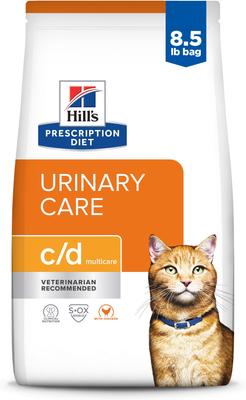
Prescription cat food is a diet made for cats with specific health needs. A veterinarian may recommend it for kidney disease, urinary crystals, food allergies, diabetes, obesity, digestive illness, or liver problems.
These foods are not simply premium pet foods. They are designed to change certain nutrients in the diet. For example, a kidney diet may contain controlled levels of phosphorus and adjusted protein. A urinary diet may help manage urine pH and mineral levels.
In the United States, “prescription” pet food does not work exactly like prescription medicine. The term usually means the food is intended for use under veterinary direction. The formula may be available through a veterinary clinic, pet pharmacy, or online retailer that verifies the recommendation.
Prescription diets should be used for the condition they are designed to support. A food made for kidney disease may not be suitable for a healthy cat or a cat with a different illness.
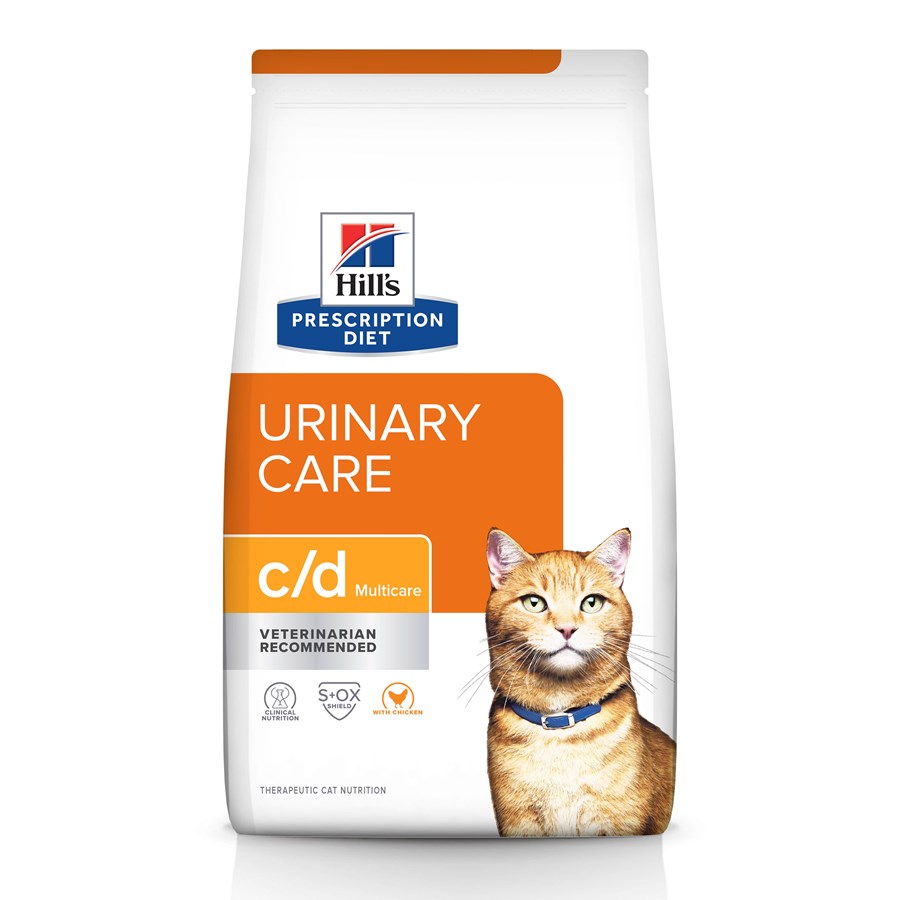
Why Is Prescription Cat Food So Expensive?
The main reason why is prescription cat food so expensive is that it is made as a therapeutic product, not just as a normal meal. Its price reflects the cost of research, testing, specialized ingredients, quality control, and distribution.
Here are the biggest factors.
1. Veterinary nutrition research costs money
Manufacturers spend money studying how nutrients affect feline health. They may test different levels of protein, phosphorus, sodium, fat, fiber, or minerals.
This work can involve:
• Veterinary nutritionists
• Animal feeding trials
• Laboratory testing
• Product safety checks
• Long-term diet evaluations
• Research into disease-related nutrient needs
A regular cat food may aim to meet basic nutritional requirements. A therapeutic diet must often meet a more specific goal, such as reducing mineral waste for a cat with chronic kidney disease.
That research is built into the final price. It is similar to the difference between a basic multivitamin and a carefully designed medical nutrition product.
2. Special ingredients can be costly
Many prescription diets use ingredients that are more carefully selected than those in standard food. The formula may need highly digestible proteins, specific fibers, fish oils, antioxidants, or controlled mineral sources.
For example, a kidney support diet may need:
• Lower phosphorus
• Controlled but high-quality protein
• Extra omega-3 fatty acids
• Increased energy density
• Added vitamins and antioxidants
A food for food-sensitive cats may use a hydrolyzed protein. This protein is broken into very small parts so the immune system is less likely to recognize it as a threat. Hydrolyzed proteins cost more to produce than common meat meals.
3. Tight nutrient control raises production costs
Prescription cat food must meet narrow nutrient targets. Small changes in a formula can affect whether it supports the intended health goal.
Manufacturers may test each batch for:
• Protein and fat levels
• Phosphorus and magnesium
• Sodium and potassium
• Moisture content
• Calorie density
• Vitamin and mineral levels
• Bacterial contamination
This extra testing helps create a consistent product. If a urinary diet varies too much in mineral content, for example, it may not support the same urine targets from one bag or can to the next.
4. Prescription diets are made on a smaller scale
Regular cat food sells to a very large market. Prescription cat food serves a narrower group of cats with particular health needs.
Smaller production runs often mean higher costs per can or bag. The company still has to pay for factories, staff, packaging, research, storage, and shipping. Those costs are spread across fewer products.
This is one reason why prescription cat food is so expensive even when the ingredient list does not look dramatically different from regular food.
5. Wet food costs more to package and ship
Many therapeutic diets are sold as canned or pouch food. Wet food contains a large amount of water, so it is heavier to move and store.
The price may include:
• Heavy shipping weight
• Cans, trays, or pouches
• Sterilization during processing
• Temperature and storage controls
• Higher warehouse costs
Wet prescription food can be especially expensive because you are paying to transport water along with the nutrients. Still, wet food may be useful for cats that need more moisture, such as some cats with urinary or kidney concerns.
6. Veterinary oversight adds value
A veterinary diet works best when it is part of a larger care plan. Your veterinarian may use blood tests, urine tests, body weight, symptoms, and appetite to decide whether the food is suitable.
This professional oversight is part of the reason why is prescription cat food so expensive. You are not paying only for the food. You are also paying for a product designed to fit a medical plan.
However, the food cannot replace veterinary care. A diet may support a condition, but it does not cure every disease.
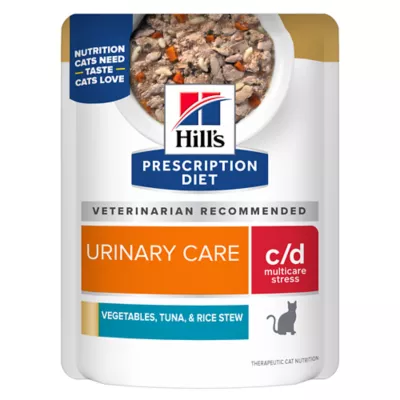
How Prescription Cat Food Supports Different Health Problems
The value of prescription food depends on the cat’s diagnosis. The same diet can be helpful for one cat and wrong for another.
Kidney disease
Kidney diets often reduce phosphorus and provide controlled amounts of high-quality protein. They may also contain extra calories and omega-3 fatty acids.
The goal is to reduce the kidneys’ workload while helping the cat maintain weight and muscle. Chronic kidney disease is common in older cats, and diet is often one part of long-term management.
Urinary problems
Urinary diets may change urine acidity and control minerals linked with some crystals or stones. Some formulas also encourage water intake by using wet food or by making the food more appealing.
These diets are not interchangeable. A food designed for struvite crystals may not be the right choice for calcium oxalate stones. Your veterinarian should identify the problem before you choose a urinary formula.
Food allergies and intolerance
Some cats benefit from a hydrolyzed protein diet or a diet with a novel protein. These foods can help during a carefully managed elimination trial.
During the trial, treats, table scraps, flavored medicines, and other foods may need to stop. Even a small extra snack can make the results hard to interpret.
Diabetes and weight control
Some diets are designed to provide controlled calories and a lower carbohydrate level. Weight loss may also be part of the plan for an overweight cat.
Cats with diabetes need close veterinary monitoring. Never change insulin doses based on a food change without speaking with your veterinarian.
Digestive disease
Digestive diets may contain highly digestible ingredients, specific fibers, or added nutrients. Some include probiotics or ingredients intended to support gut function.
Vomiting, diarrhea, and weight loss can have many causes. A digestive diet may help, but continued symptoms need a veterinary exam.
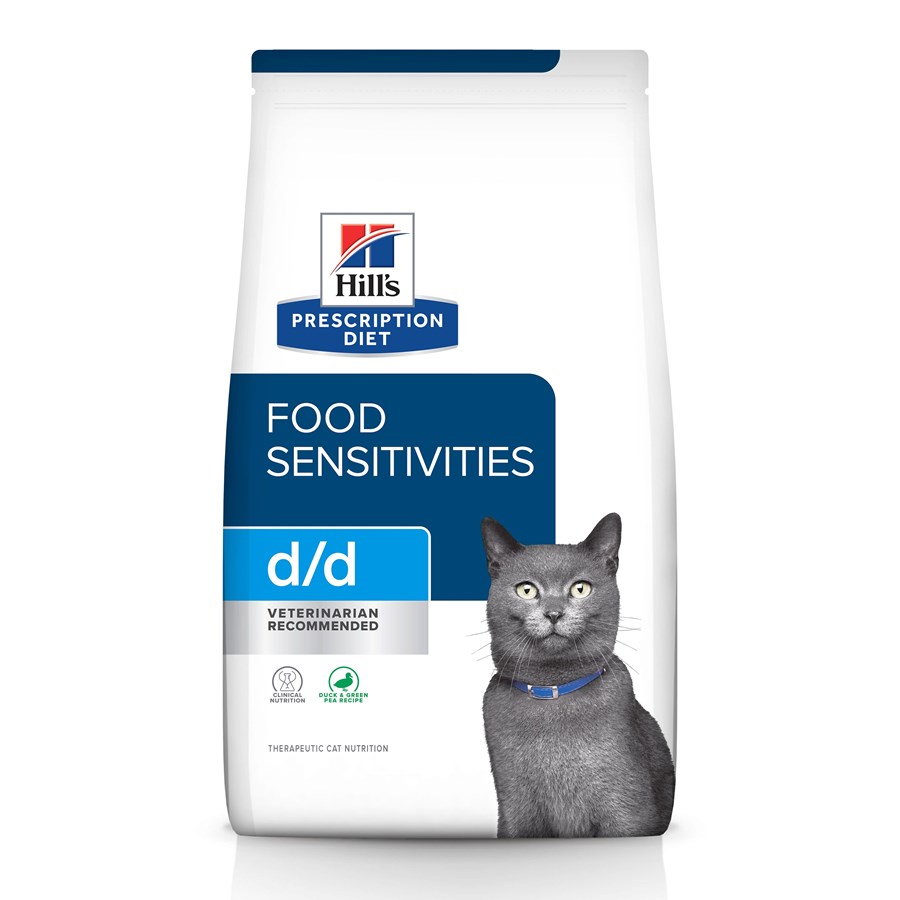
Is Prescription Cat Food Worth the Cost?
Prescription cat food can be worth the cost when it improves a cat’s health, appetite, comfort, or test results. It may also help prevent costly complications, such as urinary blockage, severe weight loss, or repeated digestive flare-ups.
Still, expensive does not always mean better for every cat. A prescription diet should match a confirmed medical need. Feeding the wrong therapeutic diet can waste money and may create a nutritional imbalance.
Ask your veterinarian:
• What condition is this food meant to manage?
• How long should my cat eat it?
• Does my cat need wet food, dry food, or both?
• Are there lower-cost alternatives with similar nutrient targets?
• When should we repeat blood or urine tests?
• What should I do if my cat refuses the food?
A useful lesson from real-world feeding cases is that the best diet is one the cat will actually eat. A perfect formula is not helpful if the cat stops eating. Cats can become seriously ill when they go without food, so sudden refusal deserves prompt attention.
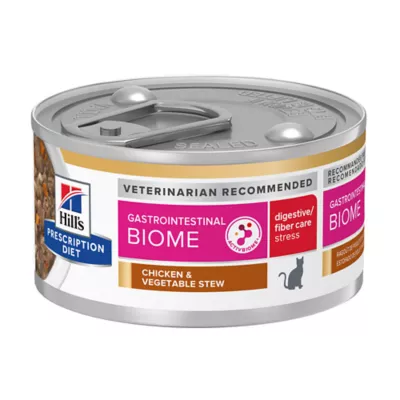
Ways to Lower the Cost Safely
The price of veterinary diets can strain a family budget. You may be able to reduce the cost without risking your cat’s health.
Compare prices
Check your veterinary clinic, reputable online pharmacies, and major pet retailers. Prices may differ because of sales, shipping fees, subscriptions, or bulk discounts.
Make sure the seller is trustworthy. Avoid products with damaged packaging, unclear expiration dates, or storage conditions you cannot verify.
Ask about equivalent formulas
Some brands may offer diets with similar goals. They may not be identical, but your veterinarian can tell you whether another option is reasonable.
Do not compare foods by brand name alone. Compare their intended use and nutrient profile.
Use a mixed wet and dry plan
Some cats can eat a combination of wet and dry prescription food. This may reduce the daily cost while still supporting the treatment plan.
Ask your veterinarian to calculate the correct portions. Mixing foods without adjusting calories can lead to weight gain.
Buy the correct size
Large bags may have a lower cost per ounce, but only buy them if your cat eats the food well and the product will stay fresh. For cats that dislike a diet, small packages prevent waste.
Use coupons and loyalty programs
Manufacturer coupons, clinic discounts, and retailer subscriptions can help. Some veterinary hospitals also know about assistance programs for long-term illness.
Avoid homemade substitutions without expert help
Homemade diets may look cheaper, but balancing minerals and vitamins is difficult. A recipe that seems healthy can be dangerously low in taurine, calcium, or other nutrients.
If you want to prepare food at home, work with a board-certified veterinary nutritionist. Do not replace a therapeutic diet with an internet recipe without professional guidance.
Common Mistakes to Avoid
Many problems happen when owners try to save money too quickly. These mistakes can reduce the benefit of the diet.
• Switching food suddenly: Change diets over several days unless your veterinarian gives different instructions.
• Adding too many treats: Treats can change calories and nutrient levels.
• Sharing food between pets: One cat’s medical diet may not suit another cat.
• Ignoring appetite changes: A cat that stops eating needs attention.
• Buying from unsafe sellers: Poor storage can damage food quality.
• Assuming all urinary foods are the same: Different urinary conditions need different plans.
• Stopping after symptoms improve: Some conditions require long-term management.
One common mistake is judging the food only by the ingredient list. Ingredient lists do not show the complete nutrient targets, digestibility, testing process, or feeding purpose. The guaranteed analysis and veterinary recommendation give a fuller picture.
How to Transition Your Cat to Prescription Food
A slow transition may improve acceptance and reduce stomach upset.
- Start with about 75% of the old food and 25% of the new food.
- Keep this mix for two or three days if your cat is eating well.
- Move to half old food and half new food.
- After another few days, offer mostly new food.
- Continue until the new food makes up the full meal.
Some cats need two weeks or longer. Warm wet food slightly to improve its smell, but do not make it hot. You can also offer small meals in a quiet area.
Never starve a cat into accepting a new diet. If your cat refuses food for about a day, or sooner if the cat is overweight or ill, contact a veterinarian.
What Experts Say About Prescription Diets
Veterinary nutrition guidance generally supports therapeutic diets when they are matched to a medical diagnosis and monitored over time. Professional groups such as the American Animal Hospital Association, the World Small Animal Veterinary Association, and veterinary nutrition specialists emphasize individualized care.
The Food and Drug Administration also regulates animal food products and certain therapeutic claims. However, regulations and product availability can vary, so labels should be read carefully.
Research quality also differs between brands and products. Some formulas have more published evidence than others. Your veterinarian can explain what is known, what is uncertain, and which health measures will show whether the diet is helping.
The most trustworthy approach combines the food with follow-up care. Blood work, urine tests, weight checks, and daily observations can all matter.
Frequently Asked Questions About Why Is Prescription Cat Food So Expensive
Why is prescription cat food so expensive compared with regular cat food?
Prescription cat food costs more because it uses specialized formulas, controlled ingredients, extensive testing, and smaller production runs. It is designed to support a medical condition rather than provide general nutrition alone.
Can I buy prescription cat food without a veterinarian?
Some products may be sold without a formal prescription, but they should still be used with veterinary advice. Your cat needs the correct diet for the correct condition, and some diets can be harmful when used inappropriately.
Is prescription cat food really better than premium cat food?
Prescription food is not automatically better for every cat. It is better suited to a specific health problem, while premium food is usually made for general nutrition in healthy cats.
Can I find a cheaper alternative to prescription cat food?
Sometimes a different brand or a combination of wet and dry food may lower the cost. Ask your veterinarian to compare nutrient goals before making a change.
How long will my cat need prescription food?
Some cats need a therapeutic diet for life, while others need it for a limited period. The length depends on the diagnosis, test results, symptoms, and response to treatment.
What if my cat refuses prescription food?
Try a gradual transition, smaller meals, and gently warmed wet food. If your cat still refuses to eat, contact your veterinarian rather than allowing the cat to go without food.
Conclusion
Prescription cat food is expensive because it combines medical nutrition, specialized ingredients, strict nutrient control, research, testing, and veterinary support. The cost can feel frustrating, but the right diet may improve comfort, protect organ function, and reduce serious health problems.
Start by confirming the diagnosis and asking your veterinarian about equivalent products, feeding amounts, discounts, and follow-up testing. Compare trusted retailers, avoid unsafe substitutions, and monitor your cat’s appetite and weight. If this guide helped, explore more veterinary nutrition resources or share your experience with prescription cat food in the comments.