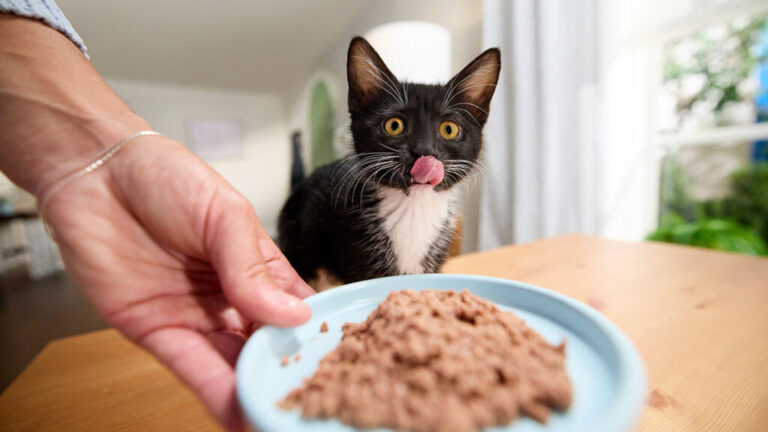
How Much Wet Cat Food Per Day: Complete Guide 2026
When I first brought my cat home, I thought feeding was simple. I bought some cans of wet food, popped one open, and dumped it in a bowl. My cat ate half, left the rest to dry into a crusty mess, and then screamed for more food at midnight. I quickly realized that figuring out how much wet cat food per day to feed is a real puzzle.
Every cat is different, and generic pet care tips rarely cover the messy reality of living with a picky feline. If you are a beginner pet owner, you might feel lost looking at confusing can labels and contradictory advice online. This step-by-step guide will share what I learned through trial, error, and plenty of vet visits, so you can feed your cat with confidence.

What You Need Before You Start
Before you change your cat’s diet, you need the right gear. Feeding your cat the right amount is not just about opening a can; it is about tracking details that keep them healthy. Gathering these tools first will save you time and prevent a lot of wasted food.
| Tool or Supply | Purpose | Budget or Premium Worth It? |
|---|---|---|
| Digital Kitchen Scale | Weighs food portions in grams for accuracy | Budget is fine, just needs a tare function |
| Shallow Ceramic Plates | Prevents whisker fatigue during meals | Budget is perfect, simple plates work best |
| Silicone Can Lids | Keeps opened cans fresh in the fridge | Budget is fine, buy a multi-size pack |
| Food Notebook | Tracks daily calories and weekly weight | Budget paper notebook or free phone app |
| High-Quality Wet Food | Provides balanced nutrition and hydration | Premium is worth it for better ingredients |
I recommend avoiding plastic bowls because they trap bacteria and can cause feline acne. High-end food processors or fancy automated wet food dispensers are also unnecessary additions that usually just end up sitting in your closet. Keep your setup simple, clean, and functional for daily use.
Getting Your Cat Comfortable First
Cats hate sudden changes, especially when it comes to their food bowl. If your cat is used to dry kibble or free-feeding all day, switching to scheduled wet food can cause some major pushback. You must build trust and show your cat that this new routine is safe and reliable.
Start by placing small amounts of wet food next to their normal dry food bowl. Let them sniff it and explore it on their own terms without forcing them to eat. This getting your pet comfortable phase can take anywhere from a few days to two weeks, so do not rush it.
Watch your cat’s body language reading cues to see if they are stressed. A twitching tail or flattened ears mean they feel pressured, so back off and try again later. Once they willingly lick the wet food without hesitation, you are ready to begin the transition.
Step-by-Step: How to Determine How Much Wet Cat Food Per Day
Figuring out the exact portion size for your feline companion requires a structured approach. I made the mistake of guessing for months, which led to a very chubby cat and a stern talk from my vet. Follow this safe and gentle method to calculate the perfect daily amount for your pet’s needs.
Take your time with each of these steps to ensure your cat stays happy and healthy. Small adjustments make a massive difference in their daily energy levels and long-term health.
Weigh Your Cat Safely at Home
First, you need an accurate starting weight for your cat. This was the first time doing this for me, and my cat kept bolting off the scale. I found the easiest way is to weigh yourself on a human scale first, then weigh yourself while holding your cat, and subtract the difference. Write this baseline weight down in your journal so you can track changes over the coming weeks.
Read the Calorie Label on the Can
Never feed your cat based on ounces alone, because different brands have widely different calorie counts. A rich gravy food might have fewer calories than a dense pate of the exact same size. Look for the “kcal per can” number on the back of the label, which tells you the actual energy content. If the label is too small to read, look up the brand online to find the exact calorie count.
Calculate Your Cat’s Daily Calorie Needs
An average ten-pound indoor cat needs about 200 to 250 calories per day to maintain their weight. If your cat is highly active or still growing, they will need more, while senior cats usually need less. Use a simple online calculator or consult your vet to find your cat’s specific target number. Keep this number handy, as it is the foundation for your entire feeding plan.
Divide the Calories into Daily Portions
Once you know the daily calorie goal, look at your can’t calorie count to see how many cans you need. For example, if your cat needs 200 calories and your cans are 100 calories each, you need two cans a day. Divide this total into two or three scheduled meals to keep your cat satisfied and prevent begging. I prefer feeding three smaller meals to keep my cat’s digestion smooth and consistent.
Establish a Consistent Feeding Schedule
Cats thrive on predictable routines and will become anxious if their meals are late. Set specific times for breakfast, lunch, and dinner, and stick to them as closely as possible. If you must be away, use an automated feeder designed for wet food with ice packs to keep it fresh. Consistency helps build trust and stops your cat from crying for food at odd hours of the night.
Monitor Weight and Adjust the Portions
Weigh your cat once a week at the same time to see how their body reacts to the new portions. If they are losing weight too fast or gaining unwanted fat, adjust their daily calories by ten percent. This is how long it takes to find the perfect balance, usually requiring four to six weeks of careful tracking. Be patient and make only tiny changes to keep their metabolism stable.
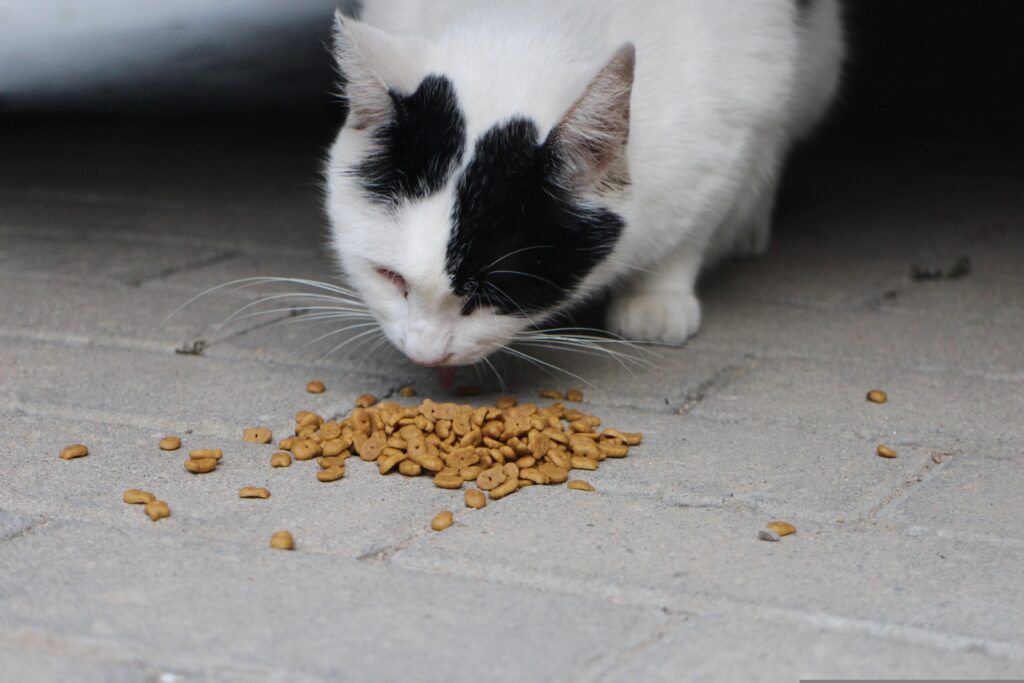
Common Mistakes to Avoid
When I first started managing my cat’s diet, I fell into several common traps. These mistakes are easy to make but can lead to weight gain, wasted food, or a very unhappy pet. Understanding these errors beforehand will save you a lot of frustration and keep your pet on the right track.
Here are the most frequent slip-ups that pet owners encounter when switching to wet food. Knowing what to watch out for helps you avoid these hurdles entirely.
| Common Mistake | Why It Happens | How to Fix It |
|---|---|---|
| Feeding cold food | Cats dislike cold, unscented food from the fridge | Let it sit at room temperature or add warm water |
| Leaving food out too long | Wet food spoils and attracts pests within hours | Pick up uneaten food after thirty minutes |
| Ignoring treat calories | Treats add up quickly and cause weight gain | Subtract treat calories from the daily meal total |
| Feeding by volume only | Different brands have different calorie densities | Read the label and feed by calorie count instead |
| Giving in to begging | Cats cry for attention, which we mistake for hunger | Ignore the cries and stick to the set schedule |
The single most common mistake experienced owners still make is treating all wet foods as equal in nutrition. A cheap can of wet food filled with texturizers can require double the volume of a premium canned food to meet your cat’s calorie needs. Always verify the caloric density of any new food before pouring it into the dish.
Reading Your Cat’s Body Language
Our cats cannot speak to us, but they constantly communicate how they feel about their food through their bodies. Learning to read these subtle signs helps you distinguish between actual hunger and simple attention-seeking behavior. It also helps you spot digestive discomfort or stress before it becomes a major health issue.
A happy, satisfied cat will usually groom themselves right after eating and then find a warm spot to nap. If you notice your cat pacing, flicking their tail, or meowing loudly near their bowl, they might still be hungry. However, if they sniff the food, lick their lips, and walk away, they might be feeling nauseous or dislike the flavor.
Pay close attention to how your cat acts when you open a can of food. If they run away or hide, they may associate mealtime with stress, or they might be hiding illness. Cats are master actors when it comes to masking pain, so any sudden change in their feeding behavior warrants a closer look.
How Often Should You Do This?
Establishing a regular feeding schedule is crucial for your cat’s physical and mental health. Unlike dogs, cats have small stomachs and do best with multiple small meals throughout the day. Here is a quick guide on how to structure your daily feeding routine based on your cat’s life stage and health.
This schedule will keep your cat’s blood sugar stable and prevent the “scarf and barf” habit. Adjust the frequency as your cat grows and their lifestyle changes.
| Cat Life Stage | Daily Feeding Frequency | Daily Routine Notes |
|---|---|---|
| Kittens (under 1 year) | Three to four meals a day | High energy needs require small, frequent feedings |
| Adult Indoor Cats | Two to three meals a day | Helps prevent obesity and maintains steady energy |
| Senior Cats (over 10 years) | Three small meals a day | Easier on their digestive system and joints |
| Overweight Cats | Three precisely measured meals | Prevents begging and keeps metabolism active |
In my home, feeding three times a day works best to prevent morning begging and late-night yowling. I offer a small meal before work, one in the late afternoon, and a final portion right before bed. This routine keeps my cat satisfied overnight and lets everyone get a good night of sleep.
Tools and Products That Actually Help: How Much Wet Cat Food Per Day
You do not need to spend a fortune to manage your cat’s daily wet food intake. However, investing in a few smart tools can make the entire process much cleaner and more precise. These items help you measure food accurately and keep leftovers fresh without stinking up your refrigerator.
Look for silicone can lids that stretch to fit multiple can sizes, which keep wet food from drying out. A simple digital scale that measures in grams is also far more accurate than trying to estimate portions by eye. Avoid fancy electronic food bowls that claim to track calories, as they are hard to clean and often break easily.
A cheap metal can spatula with a flat edge is another lifesaver for scraping every last bit of food out of the can. Spending a few extra dollars on these basic tools makes daily feeding less of a chore. You will waste less food, save money, and keep your kitchen smelling fresh.
When to Stop and Call the Vet
While adjusting your cat’s diet at home is usually safe, some warning signs require immediate medical attention. Cats have unique metabolisms, and going without food for even a short period can lead to serious liver problems. You must know when to pause your at-home feeding adjustments and seek professional veterinary guidance.
If your cat refuses to eat their wet food for more than twenty-four hours, stop trying to wait them out. This can cause hepatic lipidosis, a life-threatening liver condition that progresses very quickly in cats. Other red flags include frequent vomiting, diarrhea, sudden lethargy, or rapid, unexplained weight loss.
If you notice your cat constantly crying for food but still losing weight, this could point to hyperthyroidism or diabetes. Keep detailed notes of your cat’s daily portions and behavior so you can share them with your vet. Having this clear log makes it much easier for your vet to diagnose any underlying health issues.
Building a Routine That Sticks
Consistency is the secret to making any new feeding plan work for both you and your cat. It takes time to turn a chaotic feeding schedule into a smooth, stress-free daily routine. The key is to pair meal times with existing habits so you never forget a feeding and your cat knows what to expect.
I like to pair my cat’s morning meal with my first cup of coffee, and their evening meal with my dinner prep. This creates a natural flow to the day that your cat will quickly learn and anticipate. If your cat gets restless between meals, try introducing a short training session or play session beforehand to burn off excess energy.
If you have a bad day or forget a meal, do not panic or overcompensate by double-feeding the next time. Simply return to your regular schedule and keep moving forward with your established plan. Over time, this predictable rhythm will make your cat feel secure and stop them from begging constantly.
Real-Life Daily and Weekly Experience
Living with a cat on a strict wet food schedule is a journey filled with small, funny moments and minor annoyances. You will quickly learn the exact sound of a can opening that brings your cat running from the opposite end of the house. You will also have to deal with the occasional half-eaten meal that sits in the dish and turns into a smelly cement.
There was a moment about two months into this routine when everything suddenly clicked and became second nature. My cat stopped waking me up at dawn, and his coat started looking incredibly shiny and healthy. It took some time and effort to get there, but the relief of knowing he was getting the perfect amount of food was worth it.
Cost Breakdown — What This Actually Runs You
Feeding a wet-food-only diet can be more expensive than dumping dry kibble into a bowl, but the health benefits are massive. It is helpful to plan your monthly budget so you are not surprised by the cost of wet food. Here is a realistic look at what you can expect to spend on this journey.
These numbers will vary depending on the brand of food you choose and where you live. However, planning ahead keeps you from overspending or facing unexpected veterinary costs.
| Expense Item | Frequency of Cost | Estimated Cost Range |
|---|---|---|
| Premium Wet Food | Monthly ongoing cost | $60 to $120 per month |
| Digital Scale | One-time purchase | $15 to $25 |
| Silicone Lids | One-time purchase | $5 to $10 |
| Ceramic Feeding Plates | One-time purchase | $10 to $20 |
| Annual Vet Exam | Once a year checkup | $80 to $150 |
Doing this yourself saves a significant amount of money compared to hiring a pet nutritionist or dealing with preventable vet bills down the road. Wet food provides crucial hydration that helps prevent expensive urinary tract issues and kidney disease. Investing in high-quality food now is always cheaper than treating a sick pet later.
Quick Reference Summary
To help you keep track of everything we have covered, here is a fast-scan summary of the main points. Refer back to this table whenever you need a quick reminder of how to keep your cat’s feeding schedule on track.
| Feeding Topic | Key Action Step | What to Watch Out For |
|---|---|---|
| Preparation | Gather a digital scale, plates, and can lids | Avoid plastic bowls that trap bacteria |
| Measuring | Feed by calorie count, not by can size | Check the “kcal” label on every new brand |
| Schedule | Split the total calories into 2 or 3 meals | Never let wet food sit out for hours |
| Adjustments | Weigh your cat weekly and adjust by ten percent | Do not make sudden, drastic calorie cuts |
| Health Check | Watch body language and energy levels | Call the vet if they refuse food for 24 hours |
Final Tips — How Much Wet Cat Food Per Day
The most important thing to get right is listening to your individual cat rather than strictly following a rigid chart. Every cat has a unique metabolism, and patience is your best friend when finding their ideal daily portion.
Owners who succeed at this are those who stay consistent and do not let begging behaviors break their resolve. Give yourself and your feline friend a few weeks to adjust to the new routine, and celebrate the small steps of progress along the way.