How Can I Help Birds: Simple Ways To Help
You can help birds in the United States by making your yard, balcony, or community safer and richer in food, water, shelter, and nesting sites. The most useful steps are simple: plant native species, reduce window strikes, keep cats indoors, avoid pesticides, offer clean water, and respond correctly when you find an injured bird.
Birds face several human-made risks, including habitat loss, glass collisions, outdoor cats, disease, pollution, and climate stress. You do not need a large yard to help. A few native plants on a balcony or a bird-safe window on an apartment can make a real difference.

1. Grow Native Plants for Birds
Native plants are one of the best long-term ways to help birds. They provide insects for nestlings, seeds for adult birds, berries, shelter, and places to raise young.
A native plant is a species that evolved in your region before widespread modern development. Local birds and insects often have close links with these plants. For example, many caterpillars can feed only on certain native trees or shrubs. Those caterpillars are vital food for baby birds.
Choose plants that offer benefits in different seasons:
- Spring: flowers and insects
- Summer: caterpillars, other insects, and nesting cover
- Fall: berries and seeds
- Winter: persistent fruit, seed heads, and dense shelter
Good choices depend on your state and soil. Use the Audubon Native Plant Database or your local native plant society to find suitable species.
Helpful plant groups include:
- Native oaks, willows, birches, and maples
- Berry-producing shrubs such as serviceberry, dogwood, and elderberry
- Native grasses and wildflowers
- Coneflowers, asters, goldenrods, and sunflowers
- Dense shrubs for cover
- Vines that provide fruit or nesting areas
Avoid replacing every plant with a lawn. Even a small patch of native flowers can support insects and birds. Leave some leaf litter and seed heads in place through winter. They provide food and shelter for wildlife.
Do not assume a plant is safe because it is sold at a garden center. Ask whether it is native to your state or local ecoregion. Avoid invasive plants that spread into natural areas.

2. Make Windows Safer for Birds
Window collisions kill or injure many birds in the United States. Birds may see reflected trees or open sky instead of the glass. Indoor plants near a window can also make the space look like a safe flight path.
The most effective fix is to place a visible pattern on the outside of the glass. Outside treatments work better because they interrupt the reflection before a bird reaches the window.
Use one of these options:
- External window screens
- Tempera paint or window markers
- Closely spaced decals or dots
- Bird tape installed in a regular pattern
- Exterior shades or shutters
- Bird-safe films designed for collision prevention
- Netting placed several inches in front of the glass
Small markings should be close together. The American Bird Conservancy recommends spacing many visual markers no more than about 2 inches apart for small birds. Follow the product instructions for any film, tape, or netting.
Do not place one or two decorative decals on a large window and assume it is protected. A bird may simply fly around them. Treat the whole pane, especially the portion that reflects trees or sky.
If a feeder causes repeated collisions, move it. A feeder can be placed very close to a window, within about 3 feet, so birds cannot build up much speed. It can also be placed more than about 30 feet away. Avoid placing it in the middle distance.
3. Keep Cats Indoors
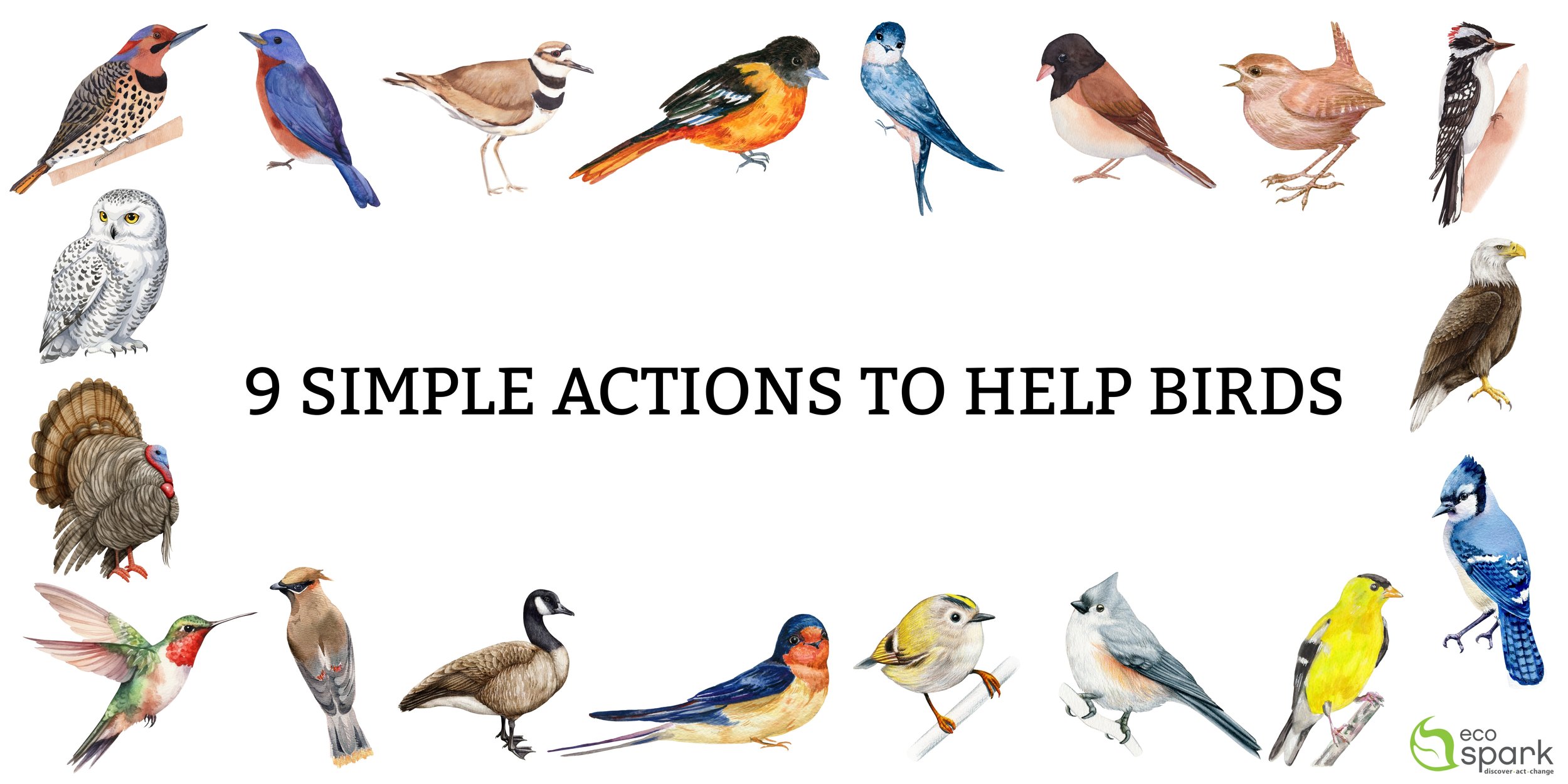
Outdoor cats are a major risk to birds. Cats can catch birds even when they are well fed. Bells may reduce some successful attacks, but they do not remove the danger.
The safest option is to keep cats indoors. You can also give a cat outdoor time in a:
- Secure catio
- Enclosed porch
- Escape-proof outdoor pen
- Harness and leash, if the cat accepts them
Keep cats indoors during dawn and dusk, when many birds are active. Be extra careful during spring and summer, when young birds spend time on or near the ground.
If you find a fledgling on the ground, keep pets away first. A fledgling may be learning to fly and may still be cared for by nearby adults.
4. Offer Bird Feeders Carefully
Bird feeders can help birds during periods when natural food is scarce, but feeders are not a substitute for habitat. Poorly managed feeders can spread disease, attract rodents, and increase collisions.
If you use a feeder:
- Place it where you can clean and monitor it.
- Clean the feeder often with hot, soapy water.
- Remove wet, moldy, or spoiled seed.
- Rake up seed that collects below the feeder.
- Keep feeders away from areas where cats hide.
- Stop feeding temporarily if you see sick or dead birds nearby.
- Follow local wildlife guidance during disease outbreaks.
Use different foods for different birds:
| Food | Birds it may attract | Key caution |
|---|---|---|
| Black-oil sunflower seed | Cardinals, chickadees, finches, nuthatches | Hulls can collect below feeders |
| Nyjer seed | Goldfinches and siskins | Use a proper finch feeder |
| Suet | Woodpeckers, nuthatches, chickadees | Keep it cool in hot weather |
| Safflower seed | Some cardinals and finches | Not every bird will eat it |
| Peanuts | Jays, titmice, and woodpeckers | Use unsalted, fresh peanuts |
Do not feed birds bread, salty food, chocolate, alcohol, or spoiled food. Bread fills birds without providing the nutrients they need.
In bear country, check local rules before putting out birdseed. Bird feeders can attract black bears and other wildlife. Removing feeders at night may not be enough in areas with active bears.

5. Provide Clean Water
Birds need water for drinking and bathing. A shallow birdbath can help, especially during hot or dry weather.
Set the bath in a place with nearby cover but enough open space for birds to watch for predators. Keep it away from dense shrubs where cats may hide. A rough stone or shallow slope can give small birds a safer place to stand.
Maintain the bath by:
- Changing the water every day or two
- Scrubbing the basin regularly
- Removing algae and droppings
- Providing shallow water rather than a deep basin
- Using a heater made for birdbaths during freezing weather
- Cleaning and storing the bath during local disease alerts
Moving water may attract birds, but it is not required. A clean, shallow container works well.
Do not add bleach, soap, antifreeze, or chemicals to make the water last longer. Rinse the basin well after cleaning.
6. Avoid Pesticides and Toxic Chemicals
Pesticides can harm birds directly or reduce the insects they need to survive. Nestlings often depend on insects even when adult birds eat seeds or fruit.
Start with lower-risk methods:
- Choose disease-resistant plants suited to your site.
- Remove badly damaged plant parts.
- Improve soil and drainage.
- Use physical barriers where practical.
- Hand-pick pests from small plants.
- Accept some leaf damage as part of a healthy habitat.
- Ask a local extension office about integrated pest management.
Never use outdoor chemicals without reading the full label. Keep pesticides away from birdbaths, feeders, nests, and natural waterways. Store them in their original containers.
Rodent poison can also harm birds. Raptors and other scavengers may become exposed when they eat poisoned rodents. Seal food and trash, remove hiding places, and use prevention before considering poison.
If a professional applies chemicals, ask what product will be used, where it will go, and how long people and pets must stay away.

7. Protect Nesting Birds
Birds may build nests in trees, shrubs, wreaths, vents, porch lights, and other parts of a home. Watch for nesting activity before trimming trees, removing vegetation, or repairing a structure.
The federal Migratory Bird Treaty Act protects many native migratory birds, their eggs, and active nests. State laws may provide additional protection. The details depend on the species and situation.
Follow these rules:
- Do not move an active nest unless a qualified wildlife professional tells you to do so.
- Delay tree trimming when possible until the nesting season ends.
- Check vents and openings before starting repairs.
- Install approved vent covers when no birds are using the opening.
- Keep pets and children away from nests.
- Do not handle eggs or nestlings unless instructed by a professional.
An empty nest is different from an active nest, but you may still need to consider local law and species protection. If a nest creates a safety problem, contact your state wildlife agency or a permitted wildlife rehabilitator before taking action.
8. Help a Baby Bird the Right Way
Finding a baby bird does not always mean it has been abandoned. The correct response depends on whether the bird is a nestling or a fledgling.
If the bird has few or no feathers
A nearly featherless bird is likely a nestling. If you can do so safely, place it back in its nest. Parent birds usually do not reject young because a person touched them.
If the nest is missing, you can make a small temporary nest from a shallow container lined with dry grass or paper towels. Secure it near the original location, out of direct sun and rain. Watch from a distance because parent birds may avoid the area while people are close.
If the bird is fully feathered
A fully feathered young bird on the ground is often a fledgling. It may hop, flutter, and practice flying while its parents feed it.
Move it only a short distance if it is in immediate danger. Place it under a nearby shrub or on a low branch. Keep cats, dogs, and people away, then observe from a distance.
Do not give a baby bird food or water. The wrong diet or liquid can cause choking, aspiration, or illness.

9. Respond to an Injured or Sick Bird
An injured bird may need help from a licensed wildlife rehabilitator. Signs of a serious problem include:
- A visible wound or bleeding
- A broken wing or leg
- Inability to stand or fly
- A bird caught by a cat or dog
- A bird that is cold, limp, or unresponsive
- Difficulty breathing
- A bird trapped indoors
Use this safe process:
- Keep children and pets away.
- Contact a licensed wildlife rehabilitator.
- If instructed, place the bird in a small cardboard box with air holes.
- Line the box with a towel or paper towel.
- Keep the box warm, dark, and quiet.
- Do not give food, water, or medicine.
- Do not handle the bird more than necessary.
The Animal Help Now directory can help locate wildlife rehabilitation services in the United States. You can also contact your state wildlife agency.
If a cat caught the bird, tell the rehabilitator. Even a bird with no obvious wound may have punctures or infections that require prompt treatment.
10. Reduce Pollution and Trash
Birds can become trapped, poisoned, or injured by common household waste. Simple changes can reduce these risks.
Secure or remove:
- Fishing line and hooks
- Rubber bands
- Plastic bags
- Balloon pieces
- Long pieces of string
- Open trash
- Chemical spills
- Litter near water
- Loose netting
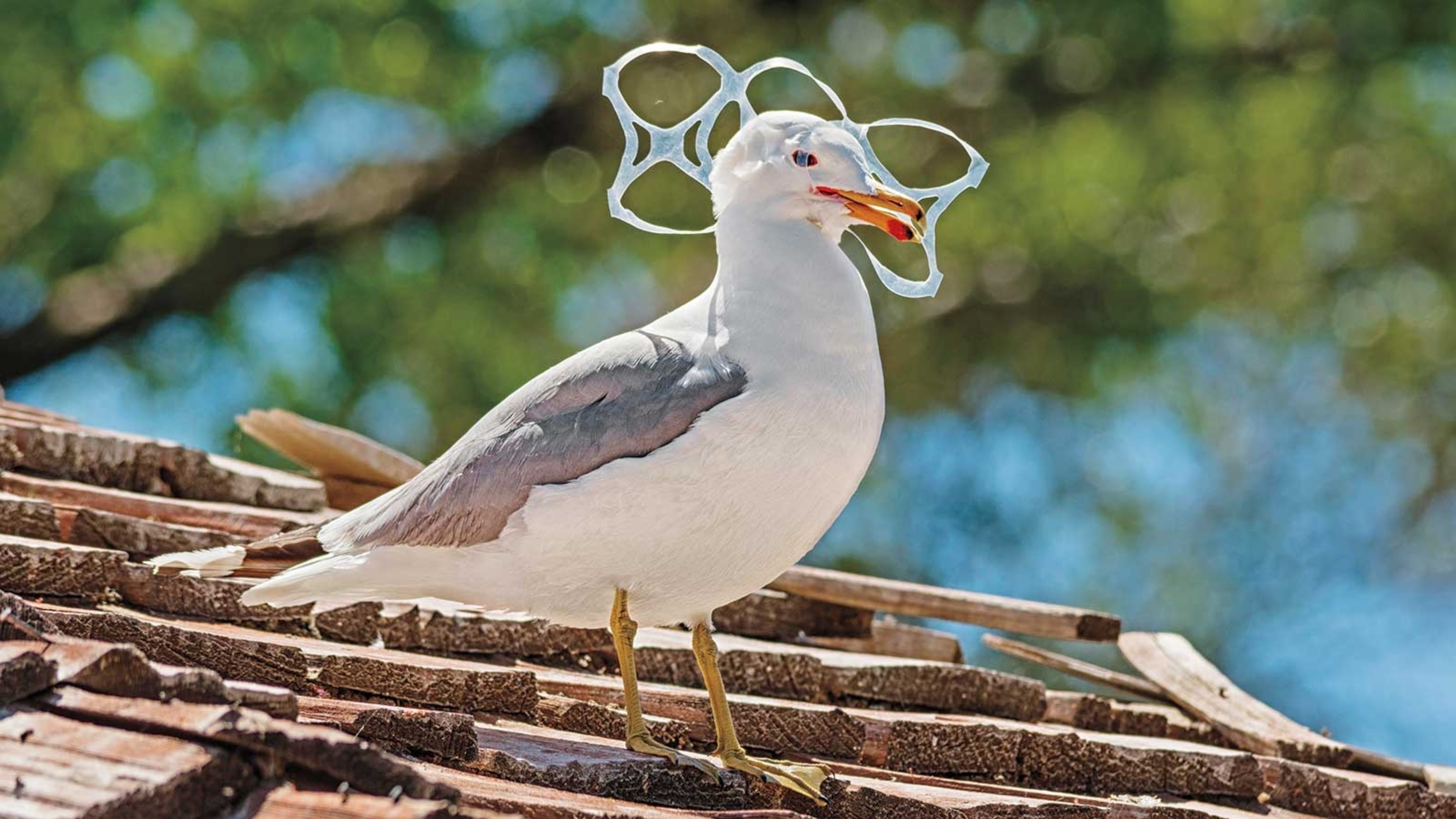
Cut loops in plastic rings before disposal. Put fishing line in a proper recycling or collection container rather than leaving it near water.
Choose bird-safe practices at home:
- Turn off unnecessary outdoor lights at night.
- Keep window screens in good repair.
- Cover open chimneys and vents with approved guards.
- Prevent birds from entering buildings where they may become trapped.
- Avoid releasing balloons.
- Keep oil, paint, and cleaners out of storm drains.
Artificial light can disorient migrating birds, especially during migration. Programs such as Lights Out encourage people and building owners to turn off unnecessary lights during migration periods.
11. Support Bird Conservation in Your Community
Individual actions matter, but local decisions shape much larger areas of habitat. You can help by supporting parks, wetlands, native plant projects, and bird-friendly building practices.
Useful community actions include:
- Join a local bird count or habitat restoration event.
- Ask your town to protect mature trees and native vegetation.
- Support native landscaping in schools and public spaces.
- Report window collisions to local conservation groups.
- Encourage bird-safe glass in new construction and renovations.
- Volunteer with a wildlife rehabilitation center.
- Support responsible land and water conservation programs.
You can also record bird observations through eBird. Your records may help researchers track migration, population changes, and species distribution. Follow the platform’s rules and avoid sharing exact nest locations for sensitive species.
12. Learn to Identify Birds and Their Needs
Bird identification helps you make better choices. A bird that eats insects may benefit more from native plants than from a seed feeder. A bird that nests in cavities may need mature trees or a properly placed nest box.
Use trusted resources such as:
- Cornell Lab of Ornithology
- All About Birds
- The National Audubon Society
- Your state wildlife agency
- A local bird club or native plant society
If you install a nest box, choose one designed for a species found in your area. Placement, entrance-hole size, predator protection, and cleaning rules all matter. Do not install a box and assume it is safe without checking those details.

The Best Bird-Friendly Actions for Different Homes
You can help birds whether you rent an apartment, own a house, or manage a large property.
| Living situation | Best first steps |
|---|---|
| Apartment or balcony | Add native container plants, treat collision-prone windows, keep cats indoors, and provide clean water if allowed |
| Small yard | Plant native shrubs, reduce lawn, keep feeders clean, and protect windows |
| Large yard | Restore layers of native plants, preserve dead trees when safe, reduce pesticides, and manage cats |
| Rural property | Protect wetlands, field edges, mature trees, and snags; limit chemicals and outdoor lighting |
| Office or commercial building | Turn off lights during migration, use bird-safe glass, and report collision hotspots |
| School or community space | Plant native habitat, reduce hazards, and teach safe wildlife response |
The best first action is often the one that removes the greatest risk. A home with repeated window strikes should address glass before adding another feeder. A yard with outdoor cats should reduce predation before attracting more birds.

Common Mistakes That Can Harm Birds
Some well-meant actions create new risks. Avoid these common errors:
- Feeding birds but not cleaning the feeder: This can increase disease risk.
- Using only a few window decals: Birds can still strike untreated glass.
- Putting a feeder near thick cat cover: Cats may ambush birds.
- Giving water to an injured bird: Liquid can enter the lungs.
- Taking a fledgling indoors: It may be healthy and still cared for by its parents.
- Using pesticides as a first response: This removes bird food and may poison wildlife.
- Trimming a tree without checking for nests: Active nests may be protected.
- Keeping a sick bird in your home: Wildlife rehabilitation requires trained care and proper permits.
- Planting invasive species: They may spread and reduce native habitat.
- Leaving fishing line or netting outside: Birds can become tangled and suffer severe injuries.
When you are unsure, pause and contact a state wildlife agency, licensed rehabilitator, or local conservation group.
Key Takeaways
- Plant native trees, shrubs, grasses, and flowers.
- Make windows visible from the outside.
- Keep cats indoors or in secure outdoor enclosures.
- Feed birds only if you can keep feeders clean.
- Provide fresh, shallow water.
- Avoid pesticides, rodent poison, and outdoor pollutants.
- Leave active nests alone.
- Return healthy fledglings to a safe nearby spot.
- Never give food or water to an injured bird without professional advice.
- Contact a licensed wildlife rehabilitator when a bird is hurt, trapped, or attacked.
Frequently Asked Questions About Helping Birds
What is the single best way to help birds?
Planting native vegetation is one of the best broad actions because it provides food, shelter, and nesting habitat. If birds are striking your windows, however, making the glass safer should come first.
Should I stop feeding birds if one looks sick?
Yes. Temporarily stop feeding birds and clean feeders, birdbaths, and the ground below them. Contact your state wildlife agency or a local wildlife rehabilitator for guidance, especially if several birds are sick or dead.
Is it safe to touch a baby bird?
Brief contact is usually not harmful, but avoid handling it unless needed. Return a nestling to its nest when possible. Leave a healthy fledgling nearby and keep pets away.
What should I do if a bird hits my window?
Place the bird in a ventilated cardboard box lined with a soft towel. Keep it dark and quiet, and contact a wildlife rehabilitator. Do not give it food or water. Add outside window markings to prevent future collisions.
Can I keep an injured wild bird as a pet?
Usually not. Native wild birds are protected by federal or state laws, and injured birds need specialized care. Contact a licensed wildlife rehabilitator instead.
How can I help birds without a yard?
Use native plants in containers, apply bird-safe patterns to windows, keep cats indoors, reduce outdoor lighting, avoid pesticides, and support local habitat projects. Even a balcony can provide food and shelter.
Conclusion: Start With One High-Impact Change
You can help birds by making the places where people live safer and more useful for wildlife. Start with the biggest local risk: add outside window markers if birds collide with glass, remove pesticides if insects are scarce, keep cats indoors, or plant native species if habitat is limited.
Then build from there. Clean water, safe shelter, healthy food, and responsible responses to injured birds can turn a small home space into a better place for birds across the United States.