Why Does My Cat Walk Away From Her Food: Causes & Fixes
Your cat may walk away from food because of stress, pain, nausea, food dislikes, or changes in her feeding space.
If you are asking, “why does my cat walk away from her food?” you are not alone. This behavior can be harmless, such as a dislike of the bowl, but it can also signal dental pain or illness. Learning the pattern behind her actions can help you respond early, calmly, and safely.
Why Does My Cat Walk Away From Her Food?
Cats may walk away from food for many reasons. Some are simple and easy to fix. Others need a veterinary check.
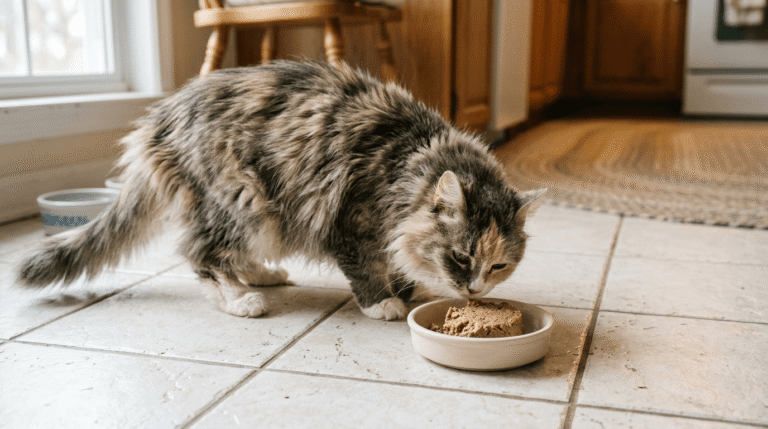
A cat may approach the bowl, sniff it, and then leave because the food smells different, the bowl feels uncomfortable, or the eating area feels unsafe. Cats use scent as a major guide. A small change in smell can make familiar food seem strange.
Your cat may also feel hungry but unable to eat. Dental pain, mouth sores, nausea, and stomach problems can make chewing or swallowing unpleasant. In this case, she may show interest in food but stop after a few bites.
Common reasons include:
• She dislikes the food’s taste, texture, or temperature.
• The food is stale or has changed formula.
• The bowl is dirty or holds strong odors.
• The feeding area is noisy or stressful.
• Another pet is nearby.
• She has dental pain or mouth irritation.
• She feels nauseated or unwell.
• Her whiskers touch the bowl and make eating uncomfortable.
• She has learned to wait for a favorite treat or meal.
A single missed meal is not always an emergency. Still, cats should not go without food for long. Overweight cats face a serious risk of hepatic lipidosis, also called fatty liver disease, when they stop eating.

Food Preferences and Feeding Problems
Cats can be surprisingly particular about food. They may prefer a certain flavor, texture, smell, or serving temperature. Some cats like pâté, while others prefer chunks in gravy or dry kibble.
Food preferences can develop early. A cat that grew up eating one texture may reject a sudden switch. Even a new recipe from the same brand can smell different enough to cause concern.
The food may be stale
Dry cat food loses freshness after exposure to air. Wet food can also develop an unpleasant smell if it sits out too long. Check the expiration date, package seal, and storage method.
Store dry food in a cool, dry place. Keep it in its original bag inside an airtight container. Refrigerate opened wet food and use it within the time listed on the label.
The food may be too cold
Many cats prefer wet food at room temperature. Cold food has less aroma, and cats often rely on smell before they eat.
Let refrigerated food warm for a short time. You can also place the bowl in warm water for a few minutes. Do not microwave food in a metal dish, and stir microwaved food well to avoid hot spots.
The recipe may have changed
Pet food companies sometimes change ingredients, formulas, or packaging. Your cat may notice the difference before you do.
If you must change foods, mix the new food with the old one over about seven days. Move slowly if your cat has a sensitive stomach or a history of food refusal.
The bowl may be the problem
Some cats dislike deep bowls because their whiskers touch the sides. Others dislike plastic because it can hold odors or bacteria.
Try a wide, shallow ceramic or stainless-steel dish. Wash it each day with mild soap and rinse it well.

Stress Can Make a Cat Walk Away From Food
Cats prefer quiet, predictable spaces. A busy feeding area can make a cat feel exposed. Loud appliances, children, visitors, or another pet may cause her to leave the bowl.
Some cats will not eat if the food is beside a litter box. Others avoid bowls placed in a narrow corner where they cannot see what is happening around them.
Stress can also follow a move, a new pet, home repairs, or a change in your daily schedule. Even small changes may matter to a sensitive cat.
Try these steps:
• Feed your cat in a quiet area with a clear view.
• Keep food and water away from the litter box.
• Give each pet a separate feeding place.
• Use a baby gate or closed door if another animal steals food.
• Keep meal times calm and predictable.
• Avoid standing over your cat while she eats.
A useful lesson from many feeding cases is to change one thing at a time. If you replace the food, bowl, and feeding room on the same day, you will not know what helped.

Dental Pain and Mouth Problems
Dental pain is one of the most overlooked reasons a cat approaches food and then walks away. Cats often hide pain. They may continue to act normal while eating less.
Look for signs such as:
• Dropping food from the mouth.
• Chewing on one side.
• Pawing at the face.
• Bad breath.
• Drooling.
• Bleeding gums.
• Weight loss.
• Choosing wet food but rejecting dry food.
• Taking food from the bowl and then leaving.
Dental disease is common in adult and senior cats. It can cause inflamed gums, loose teeth, tooth resorption, and painful infections. Only a veterinarian can properly examine the mouth and check below the gumline.
Do not give human pain medicine. Drugs such as acetaminophen and ibuprofen can be highly toxic to cats, even in small amounts.
If your cat seems hungry but cannot eat, schedule a veterinary visit. A soft diet may help for a short time, but it does not treat the source of dental pain.

Nausea and Other Health Problems
A cat may walk away from food because she feels sick. Nausea can happen with stomach upset, kidney disease, liver disease, pancreatitis, infections, parasites, medication side effects, and other conditions.
Possible warning signs include:
• Vomiting or repeated gagging.
• Lip licking or excessive swallowing.
• Hiding more than usual.
• Low energy.
• Diarrhea or constipation.
• Drinking much more or less than normal.
• Urinating more often or straining to urinate.
• Yellow skin, gums, or eyes.
• Sudden weight loss.
A cat that refuses food for 24 hours needs prompt veterinary advice. Kittens, senior cats, cats with diabetes, and overweight cats may need attention sooner. A cat that has not eaten and is vomiting, weak, struggling to breathe, or unable to urinate needs urgent care.
Do not force-feed your cat unless a veterinarian has shown you how. Force-feeding can increase stress and may cause food to enter the airway.

Why Does My Cat Walk Away From Her Food After a Few Bites?
Walking away after a few bites may mean your cat is full, but it can also point to discomfort. Watch the full pattern rather than one meal.
If she returns later and eats normally, the behavior may be harmless. Some cats prefer small meals because their natural hunting pattern involves eating several small portions.
If she repeatedly stops after a few bites, consider:
• Mouth pain.
• Nausea.
• A food bowl that causes whisker contact.
• Food that becomes dry or cold.
• Difficulty reaching the food.
• Stress from another pet.
• A medical problem that lowers appetite.
Measure how much food you offer and how much remains. A simple food log can show whether your cat is eating less over several days.
Cats often hide slow changes. A kitchen scale can help you track weight once a week. Sudden weight loss deserves veterinary attention.

Why Does My Cat Walk Away From Her Food but Beg for Treats?
Treats are often more appealing because they have a strong smell and rich taste. A cat may reject her normal meal but eat treats, which can make the problem confusing.
This does not always mean she is healthy. Cats with dental pain or nausea may choose small, tasty treats because they are easier or more tempting. Treats can also teach a cat to wait for something better.
Keep treats below about 10% of daily calories unless your veterinarian gives different advice. Offer the normal meal first, and avoid replacing every refused meal with treats.
If your cat refuses balanced food but accepts only treats for more than a day, contact your veterinarian. A cat needs complete nutrition, not just snacks.

How to Encourage Your Cat to Eat
First, identify whether this is a food preference issue or a health issue. A healthy cat that eats normally at other times may respond to simple changes. A cat with other symptoms needs medical care.
Try this gentle plan:
-
Check the food date, smell, and texture.
-
Wash the bowl and switch to a shallow ceramic or stainless-steel dish.
-
Offer a small portion of familiar food.
-
Serve wet food at room temperature.
-
Move the bowl to a quiet, clean location.
-
Keep other pets away during meals.
-
Offer small meals several times a day.
-
Record what your cat eats and drinks.
-
Stop experimenting if she refuses food or develops symptoms.
Do not add large amounts of tuna, milk, oil, or table scraps. Milk can cause stomach upset, and rich foods may worsen vomiting or diarrhea. Sudden diet changes can also make a cat feel worse.
In practical feeding work, one of the most common mistakes is offering too many choices at once. A cat may become more cautious, and the owner may not know which food she actually ate. Simple, measured changes are usually more helpful.

When to Call the Veterinarian
Call your veterinarian if your cat has a clear appetite change, even if she still eats a little. Cats can become ill without showing dramatic signs.
Seek prompt advice when:
• Your cat has eaten little or nothing for 24 hours.
• She is overweight and suddenly stops eating.
• She vomits repeatedly.
• She has diarrhea, weakness, or unusual sleepiness.
• She drools or seems painful when chewing.
• She loses weight.
• She drinks or urinates much more than usual.
• She has trouble breathing.
• She strains to urinate or produces no urine.
• She may have eaten a toxin or foreign object.
The veterinarian may examine the mouth, check hydration, run blood tests, take X-rays, or recommend an ultrasound. The right tests depend on your cat’s age, history, symptoms, and examination.
Keep a record of food intake, water intake, vomiting, stool, urine, weight, and behavior. This information can help the veterinary team find the cause faster.

Frequently Asked Questions
Why does my cat walk away from her food but still seem hungry?
She may have dental pain, nausea, or trouble with the food’s texture. If she approaches the bowl often but cannot eat, arrange a veterinary check rather than assuming she is simply picky.
Why does my cat walk away from her food after sniffing it?
She may dislike the smell, find the food stale, or feel stressed by the feeding area. A clean, shallow bowl and fresh food served in a quiet place may help.
Should I worry if my cat skips one meal?
A healthy adult cat may skip one meal, but watch her closely. Contact a veterinarian if she refuses the next meal, shows other symptoms, or belongs to a higher-risk group such as a kitten, senior cat, or overweight cat.
Why does my cat eat treats but not her regular food?
Treats often smell stronger and taste richer. However, this pattern can still occur with dental pain or nausea, so do not use treats to hide a continuing loss of appetite.
Can a dirty bowl make my cat stop eating?
Yes. Old food, grease, bacteria, and strong soap odors can make a bowl unpleasant. Wash food dishes daily and rinse them well.
Is whisker fatigue a real reason cats avoid food?
Some cats may dislike their whiskers touching a deep or narrow bowl. While the term “whisker fatigue” is not a formal medical diagnosis, a wide, shallow dish is a safe and simple change to try.
Can stress cause a cat to stop eating?
Yes. Noise, conflict with another pet, visitors, travel, and household changes can reduce appetite. If stress continues or your cat stops eating, speak with a veterinarian.
Conclusion
When asking, “why does my cat walk away from her food?” start by checking the food, bowl, feeding space, and recent changes. Then look for signs of dental pain, nausea, weight loss, or other illness.
A calm feeding area and fresh food may solve a simple problem. But a cat that repeatedly eats less, shows pain, or refuses food needs professional advice. Track her meals, make small changes, and contact your veterinarian early when something feels wrong. Share your experience or explore more cat health resources to help your companion enjoy safe, healthy meals.