
Why Does My Cat Suddenly Dislike Her Favorite Food: Reasons
A cat may reject favorite food because of illness, stress, food changes, dental pain, or a sudden change in smell.
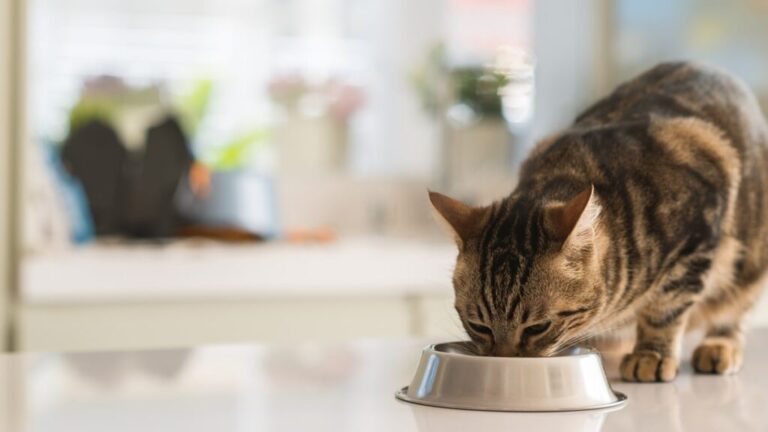
When a cat suddenly dislikes her favorite food, the change can feel strange and worrying. Cats often hide pain, so a food refusal may be the first sign that something is wrong. In other cases, the food itself has changed, or your cat has linked it with nausea. This guide explains the most likely causes, what you can try at home, and when to call your veterinarian.

Why does my cat suddenly dislike her favorite food?
The answer may be simple, such as a new formula or a stale smell. However, a sudden food aversion can also point to nausea, dental pain, digestive trouble, stress, or another health issue.
Cats rely heavily on smell when choosing food. If your cat has a stuffy nose, mouth pain, or a weaker sense of smell, her favorite meal may no longer seem appealing. Even a small change in texture, temperature, or scent can make her walk away.
A food aversion can also develop after illness. For example, if your cat ate a certain food just before vomiting, she may connect that food with feeling sick. Her brain treats the meal like a warning sign, much like a person who avoids a dish after food poisoning.

Common reasons your cat rejects favorite food
The food recipe changed
Pet food companies may adjust ingredients, suppliers, or cooking methods. The label may look almost the same, but the smell and texture can differ.
This is common with canned food. One batch may have more gravy, a different color, or firmer pieces. A cat with a sharp sense of smell may notice the change before you do.
Check the following:
• Compare the old and new cans or bags if you still have them.
• Look for a new formula notice on the package.
• Check the lot number and expiration date.
• Ask the manufacturer whether the recipe changed.
The food is stale or spoiled
Dry food loses flavor as oils become old. Opened wet food can also dry out, pick up odors, or spoil if it sits at room temperature for too long.
Never offer food that smells sour, rancid, or unusual. Mold, bloating in a can, a broken seal, or a swollen package also means the food should be discarded.
Store dry food in its original bag inside an airtight container. Refrigerate opened wet food and follow the storage time on the label. Warming a small amount of wet food can improve its smell, but it should feel lukewarm, not hot.
Your cat feels nauseated
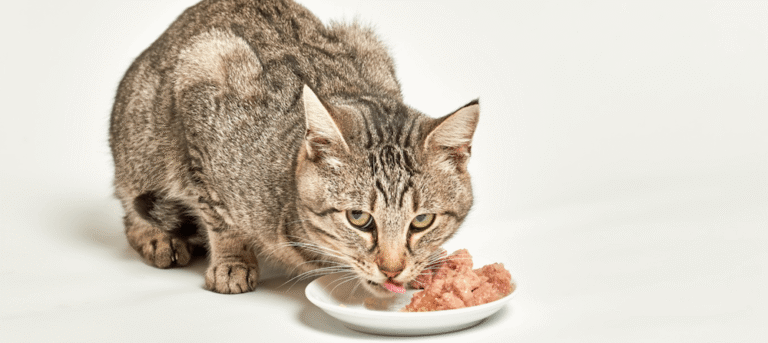
Nausea is one of the most common medical reasons a cat suddenly dislikes her favorite food. A nauseated cat may sniff the bowl, lick her lips, swallow often, drool, or turn away.
Other possible signs include:
• Vomiting
• Hiding
• Low energy
• Constipation or diarrhea
• Excessive swallowing
• Sitting near food but refusing to eat
Kidney disease, stomach irritation, pancreatitis, liver disease, medication side effects, and many other problems can cause nausea. A cat may still drink water and appear fairly normal at first, so do not assume she is fine just because she is not vomiting.
Dental pain makes eating hard
A cat may want food but be unable to eat comfortably. Dental disease, a broken tooth, mouth ulcers, gum inflammation, or an object stuck in the mouth can make chewing painful.
Watch for these clues:
• Dropping food from the mouth
• Chewing on one side
• Pawing at the face
• Bad breath
• Drooling
• Preferring soft food
• Eating less slowly than usual
Cats often hide dental pain. A normal-looking mouth from a quick glance does not rule out a problem. A veterinarian may need to examine the teeth and gums closely, sometimes with dental imaging.
A blocked nose changes the food’s smell
Cats use scent to judge whether food is safe and appealing. A respiratory infection, allergies, or nasal congestion can reduce the smell of a meal.
Your cat may show signs such as sneezing, watery eyes, nasal discharge, or noisy breathing. Gently warming wet food may help release its aroma, but do not force food into her mouth.
If breathing seems difficult, seek veterinary care at once. Breathing trouble is more urgent than simple pickiness.
Stress changes eating habits
Cats are creatures of habit. A move, new pet, house guests, loud repairs, a changed feeding spot, or conflict with another cat can affect appetite.
Some cats refuse food when their bowl is placed near a noisy appliance. Others feel unsafe when another pet watches them eat. A quiet, clean, low-traffic area often helps.
Try feeding your cat alone in a calm room. Keep the bowl away from litter boxes, washing machines, and busy doorways. Give her space instead of standing over her or repeatedly offering food.
Your cat is tired of the same food
Some cats enjoy variety, while others prefer one food for years. A cat may suddenly reject a meal because she has developed a preference for another flavor or texture.
Still, do not assume that a sudden refusal is only boredom. A healthy cat can be selective, but an abrupt change deserves attention, especially if it lasts more than a day.

Could a food aversion mean illness?
Yes. When a cat suddenly dislikes her favorite food, illness must remain on the list of possible causes. Cats that stop eating can develop a serious liver problem called hepatic lipidosis, especially if they are overweight.
This condition occurs when the body breaks down fat too quickly for the liver to process it well. It can become life-threatening without treatment. The risk is one reason veterinarians take appetite loss in cats seriously.
Contact your veterinarian promptly if your cat:
• Eats little or nothing for about 24 hours
• Is overweight and has stopped eating
• Vomits repeatedly
• Has diarrhea with weakness
• Seems painful or withdrawn
• Has yellow gums, eyes, or skin
• Cannot keep water down
• Has trouble breathing
• May have eaten a toxin or foreign object
Kittens, senior cats, and cats with diabetes, kidney disease, or other chronic conditions may need help sooner. Your veterinarian can assess hydration, mouth pain, body weight, temperature, and other signs.
Do not give human medicines or force-feed your cat unless a veterinarian gives clear instructions. Some human drugs are toxic to cats, and force-feeding can increase stress or cause food to enter the airway.

What to do when your cat refuses favorite food
Start by observing, not guessing. Note when the food refusal began, how much your cat eats, whether she drinks, and whether her behavior has changed.
Use this simple plan:
-
Check the food. Look at the expiration date, smell, texture, package seal, and storage conditions.
-
Offer a fresh portion. Use a clean bowl and a new serving from a recently opened package.
-
Improve the setting. Feed your cat in a quiet place away from other animals and strong smells.
-
Try a gentle temperature change. Some cats prefer food at room temperature. Others respond to slightly warmed wet food.
-
Offer a familiar alternative. A small amount of another safe cat food can show whether the problem is the recipe or the appetite.
-
Watch for symptoms. Record vomiting, stool changes, sneezing, drooling, pain, hiding, and energy levels.
-
Call your veterinarian if the refusal continues or symptoms appear. Do not wait several days if your cat is eating almost nothing.
When trying another food, offer only small portions. A sudden large change can cause stomach upset and make the problem harder to understand.

How to change cat food safely
If the food recipe changed or your cat needs a new diet, make the switch slowly. A gradual transition can reduce diarrhea, vomiting, and food refusal.
A common schedule is:
• Days 1 and 2: 75% old food and 25% new food
• Days 3 and 4: 50% old food and 50% new food
• Days 5 and 6: 25% old food and 75% new food
• Day 7: 100% new food
Some cats need two weeks or longer. If your cat refuses the mixture, slow the process. Appetite matters more than following a strict schedule.
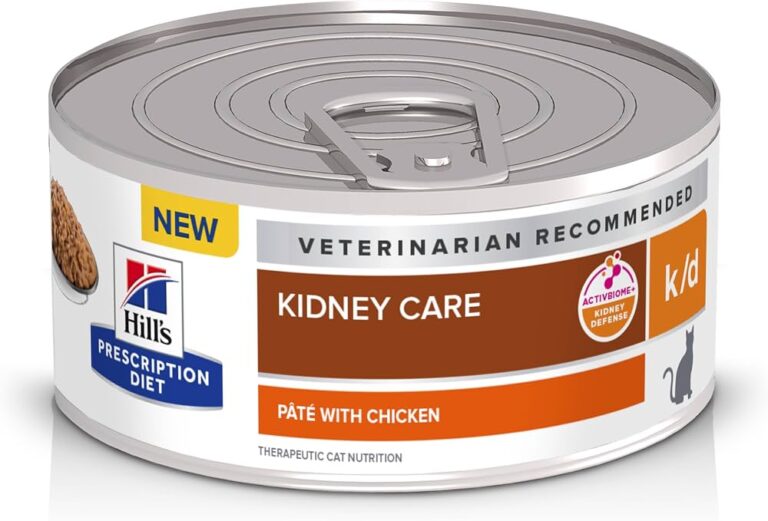
If a veterinarian prescribed a special diet, ask how to introduce it. Prescription diets may be important for kidney disease, urinary problems, food allergies, or digestive disorders. Do not replace a medical diet with treats without professional advice.

Practical feeding tips that often help
A few small changes can make food more appealing without creating unhealthy habits.
• Wash food bowls each day, especially after wet food.
• Use wide, shallow dishes if your cat dislikes her whiskers touching the sides.
• Serve smaller meals more often.
• Keep food away from litter boxes.
• Avoid strong air fresheners near the feeding area.
• Warm wet food slightly to increase its smell.
• Do not leave wet food out for long periods.
• Limit treats so your cat still feels hungry for balanced meals.
• Keep a written food and symptom log.
One mistake many cat owners make is offering five different foods at once. This can teach a cat to wait for a favorite option, but it can also hide a medical problem. A calm, measured approach gives you better information.
Another common mistake is assuming that a cat will eat when she becomes hungry enough. Cats are not small dogs. A prolonged lack of food can be dangerous, so appetite loss deserves a lower threshold for veterinary advice.
How veterinarians find the cause
Your veterinarian will likely ask when the food refusal began and whether your cat is eating anything else. Details about water intake, vomiting, stool, weight loss, medications, and household changes can help.
The examination may include:
• Checking the teeth, gums, tongue, and mouth
• Feeling the abdomen
• Assessing hydration and body condition
• Listening to the heart and lungs
• Checking the eyes and skin for changes
• Measuring weight and temperature
Depending on the findings, the veterinarian may suggest blood tests, urine testing, dental imaging, X-rays, or an ultrasound. These tests are not always needed, but they can help identify hidden disease.
There is no single test for food aversion. The cause may be medical, behavioral, or a mix of both. This is why a careful history matters so much.

A real-world lesson about sudden food refusal
A pattern I often see in cat-care questions is this: a cat refuses one food but eagerly eats a different one. The family assumes the cat is simply being fussy, while the real clue may be dental pain or nausea.
The lesson is to look at the whole picture. If your cat refuses only one flavor but eats normally, check the package and consider preference. If she refuses several foods, eats less each day, or acts different, treat it as a possible health concern.
I also recommend changing one thing at a time. If you move the bowl, change the food, add treats, and start a supplement on the same day, you may not know what helped or harmed. Simple notes can save time during a veterinary visit.

Frequently Asked Questions
Why does my cat suddenly dislike her favorite food but eat treats?
Treats are often stronger in smell and higher in calories, so a cat may accept them while refusing regular food. However, this can still happen with nausea or dental pain, so continued poor eating needs veterinary attention.
Can cats suddenly stop liking wet food?
Yes. A recipe change, spoiled food, a different texture, or a negative link with nausea can cause a cat to reject wet food. Check the package and offer a fresh serving before assuming your cat has become picky.
Should I change my cat’s food if she refuses it?
You can offer a small amount of a familiar alternative, but avoid making many sudden changes. If your cat eats very little, has symptoms, or refuses food for about 24 hours, contact a veterinarian.
Why does my cat suddenly dislike her favorite food after vomiting?
Your cat may connect the food’s smell with the unpleasant feeling of vomiting. This is called a food aversion, but vomiting can also signal illness, so repeated vomiting or poor appetite should be checked by a veterinarian.
How long can a cat go without eating?
A cat should not be left without food for several days. Many veterinarians advise contacting them if an adult cat eats little or nothing for about 24 hours, and sooner for kittens, senior cats, overweight cats, or cats with medical conditions.
Can stress make a cat stop eating?
Yes. Moving, visitors, new pets, loud noise, and changes in routine can reduce appetite. Give your cat a quiet feeding space, but seek veterinary advice if the appetite does not return soon.
Conclusion
When a cat suddenly dislikes her favorite food, the cause may be a changed recipe, stale food, stress, nausea, dental pain, or another health problem. Check the food and feeding area, offer a fresh small portion, and watch your cat closely.
Do not ignore a major appetite change, especially when it lasts about 24 hours or comes with vomiting, weakness, pain, breathing trouble, or weight loss. Keep a simple record of meals and symptoms, then contact your veterinarian when needed. If this guide helped, share it with another cat owner or explore more trusted cat nutrition and health resources.
One Comment