Why Does My Cat Hate Dry Food: Causes And Solutions
Your cat may reject dry food because its texture, smell, taste, or hard pieces feel unpleasant.
If you are asking, “why does my cat hate dry food?” you are not alone. Cats can refuse kibble for simple taste reasons, but a sudden change may also point to dental pain, nausea, stress, or another health issue. Understanding the cause helps you choose safer food, avoid feeding mistakes, and know when to call your veterinarian.
Why does my cat hate dry food?
Cats are natural hunters. They often prefer food that smells strong, feels soft, and contains plenty of moisture. Dry food has a firm texture and less water, so some cats simply find it less appealing than wet food.
A cat may also dislike the size, shape, or flavor of a certain kibble. Cats have strong food preferences, and they can remember a bad experience, such as vomiting after eating a meal. That memory may make them avoid the same food later.
The most common reasons include:
• The kibble smells weak or stale.
• The pieces are too large or hard.
• Your cat prefers wet food’s soft texture.
• A sudden diet change caused stress.
• Your cat has sore teeth or gums.
• Nausea or illness has reduced its appetite.
• The bowl, feeding area, or nearby pets cause stress.
So, why does my cat hate dry food when it used to eat it? A change in preference can happen with age, pain, illness, or even a new bag of food. Cats notice small changes in smell and texture that people often miss.

Dry food may not smell or feel appealing
Smell is a major part of how cats judge food. A cat’s sense of smell is much stronger than a person’s, so freshness matters. Kibble that has been open for weeks may lose its aroma or develop an unpleasant odor from oxidized fats.
Texture matters, too. Some cats like crunchy food, while others prefer food that is soft and easy to chew. Older cats, cats with missing teeth, and cats with gum disease may find dry food uncomfortable.
The bowl can also affect the meal. A narrow or deep bowl may press against your cat’s whiskers. This may lead to what owners call “whisker stress,” although experts still debate how often whisker contact causes true distress.
Try these simple changes:
• Serve a small amount in a wide, shallow dish.
• Store kibble in its original bag inside an airtight container.
• Wash the bowl each day.
• Keep food away from litter boxes and noisy appliances.
• Offer fresh food at regular meal times.
If the food smells oily, bitter, or different from usual, throw it away. A fresh bag may solve the problem.

Dental pain can make cats avoid kibble
Dental disease is one of the most important answers to why does my cat hate dry food. Cats often hide pain very well. A cat may still act normal while quietly avoiding food that hurts its mouth.
Dry food requires chewing. If your cat has a broken tooth, inflamed gums, tooth resorption, or mouth ulcers, crunchy pieces may cause pain. Some cats will eat soft food but refuse kibble for this reason.
Watch for signs of oral pain:
• Dropping food while chewing.
• Chewing on one side of the mouth.
• Pawing at the face.
• Bad breath.
• Drooling.
• Bleeding from the gums.
• Weight loss.
• Eating less or walking away from the bowl.
Do not assume that dry food cleans your cat’s teeth. Some dental diets can help reduce plaque when designed for that purpose, but ordinary kibble usually does not replace brushing or professional dental care. Veterinary dental groups recommend regular oral checks because dental disease is common in adult cats.
If your cat suddenly refuses dry food but accepts soft food, schedule a veterinary exam. Pain relief and proper dental care may restore normal eating.

Health problems may change your cat’s appetite
A cat that refuses dry food may have more than a food preference. Nausea, kidney disease, diabetes, thyroid disease, stomach problems, infection, and other conditions can affect appetite.
Cats can also develop food aversion after feeling sick. For example, if a cat eats kibble and vomits soon afterward, it may connect that food with the unpleasant event. The food may not have caused the illness, but the cat may still avoid it.
Look for other changes:
• Drinking much more or less water.
• Urinating more often.
• Hiding or sleeping more.
• Vomiting or diarrhea.
• Weight loss.
• Trouble jumping.
• A dull coat.
• Yellow gums, eyes, or skin.
• Straining in the litter box.
A cat that does not eat for about 24 hours needs prompt veterinary advice. Overweight cats are at special risk of hepatic lipidosis, also called fatty liver disease, when they stop eating. Kittens, senior cats, and cats with ongoing health problems may need help even sooner.
Never force food into your cat’s mouth unless a veterinarian tells you to do so. Force-feeding can increase stress and may cause food to enter the airway.

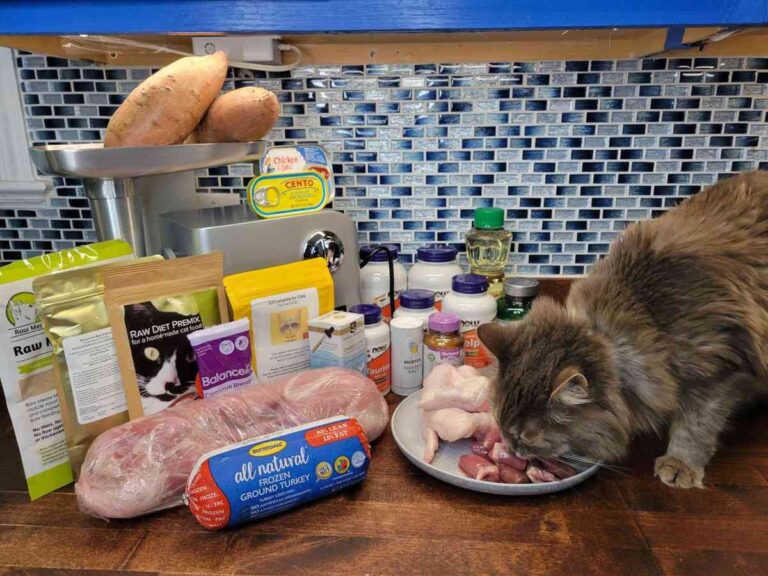
Your cat may prefer wet food
Many cats prefer wet food because it has a stronger scent and a softer texture. It also contains much more water than kibble. This can support daily fluid intake, which is helpful for cats that do not drink much from a bowl.
Wet food is not automatically better for every cat. The best diet depends on your cat’s age, health, body condition, and veterinary needs. Some cats do well on wet food, some do well on dry food, and many do best with a balanced mix.
A complete and balanced cat food should meet nutritional standards for the cat’s life stage. Check the package for a nutritional adequacy statement. Treats, toppers, and homemade diets should not replace a balanced main diet unless a veterinary nutrition professional has created the plan.
If your cat prefers wet food, you can still provide good nutrition. Choose a food made for cats, follow portion guidance, and ask your veterinarian about calories. Wet food can be more expensive and spoils faster, so remove uneaten portions as directed on the package.

How to encourage a cat to eat dry food
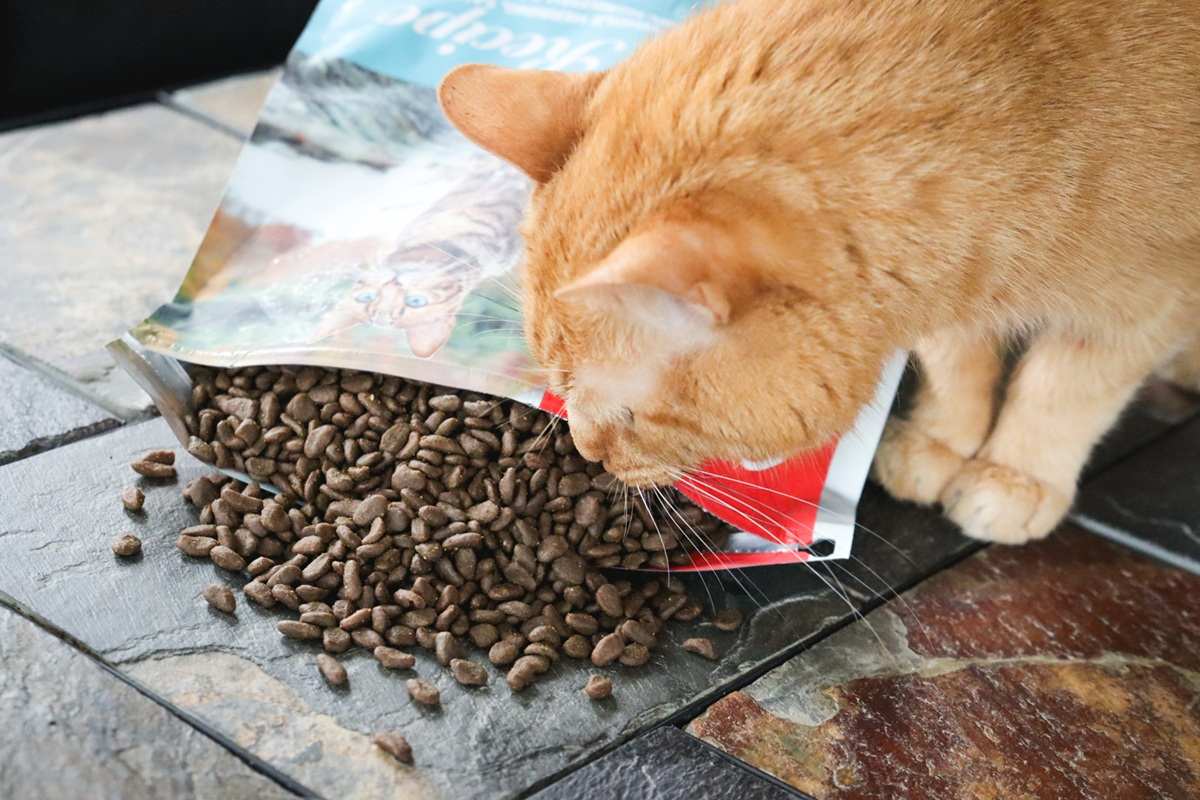
If your cat is healthy and you want to include kibble, make the change slowly. A sudden switch can cause stress, vomiting, or diarrhea. It can also make a picky cat refuse the whole meal.
Try this gradual plan:
-
Offer the current food as usual for several days.
-
Add a small amount of new kibble beside it rather than mixing it at first.
-
Increase the new food slowly over one to two weeks.
-
Keep the feeding area calm and predictable.
-
Measure portions so you can track how much your cat eats.
You can also soften kibble with warm water. Let it sit for a few minutes, then serve it fresh. This may make the food easier to chew and release more aroma.
Other ideas include:
• Try a different kibble size or shape.
• Choose a flavor your cat has enjoyed before.
• Add a small amount of complete wet food as a topper.
• Warm wet food slightly to increase its smell.
• Use a puzzle feeder if your cat enjoys food games.
• Feed small meals several times a day.
Do not add large amounts of tuna, milk, gravy, or treats to every meal. Too many extras can upset the stomach, add excess calories, or teach your cat to hold out for tastier food.
Mistakes to avoid when changing cat food
One common mistake is offering too many choices at once. You may place several bowls of food around the home, hoping your cat will choose one. Instead, the cat may become more cautious or learn to wait for a preferred option.
Another mistake is leaving dry food out for too long. Free-choice feeding can make it hard to know how much your cat eats. It may also cause weight gain, especially in indoor cats with low activity.
Avoid these habits:
• Changing food suddenly.
• Withholding all food to make a cat accept kibble.
• Giving human foods as a regular replacement.
• Ignoring bad breath or chewing trouble.
• Assuming a cat is eating because food is missing.
• Using treats to cover up a poor appetite.
A practical lesson from many feeding cases is to track meals for a few days. Write down the food offered, the amount eaten, water intake, vomiting, stool changes, and behavior. This simple record can help a veterinarian spot a pattern.
Why does my cat hate dry food after a move or household change? Stress may be the reason. New pets, visitors, construction, travel, or a different feeding spot can reduce appetite. Give your cat a quiet room, a familiar routine, and a safe place to eat.

When should you call a veterinarian?
A food preference is usually not an emergency if your cat is bright, active, and eating another complete food. Still, a sudden change deserves attention because cats often hide early signs of illness.
Contact your veterinarian promptly if your cat:
• Refuses all food.
• Eats far less than normal.
• Has not eaten for about 24 hours.
• Vomits repeatedly.
• Has diarrhea that continues.
• Loses weight.
• Seems painful while eating.
• Has trouble breathing or swallowing.
• Becomes weak, confused, or unusually quiet.
• Strains to urinate or produces little urine.
A veterinary visit may include a mouth exam, weight check, blood work, urine testing, or imaging. The right tests depend on your cat’s age and symptoms. Do not diagnose dental disease, kidney disease, or food allergies based only on food refusal.
Your veterinarian can also calculate daily calorie needs. Feeding guides on packages are useful starting points, but they do not fit every cat. Indoor cats, neutered cats, older cats, and cats with medical conditions may need different portions.
Choosing the right feeding plan
The best feeding plan is one your cat will eat consistently and safely. It should provide complete nutrition, suit the cat’s medical needs, and support a healthy body weight.
Consider these factors:
• Life stage: Kittens need growth diets, while adults need adult maintenance food.
• Health status: Kidney, urinary, allergy, and weight diets have different goals.
• Texture: Wet, dry, or mixed food may work best.
• Portion control: Measure meals instead of guessing.
• Water intake: Provide clean water in more than one easy-to-reach place.
• Routine: Feed at consistent times in a calm setting.
If you use a mix of wet and dry food, reduce the amount of each so total calories stay appropriate. A veterinarian can help you compare labels and create a plan.
It is also wise to introduce new diets before an old food runs out. This gives you time to transition slowly and notice problems. Keep the old food available during the change unless your veterinarian gives different advice.
Frequently Asked Questions
Why does my cat hate dry food but love wet food?
Wet food often has a stronger smell and softer texture, so it may feel more natural and comfortable to your cat. If the change is sudden, dental pain or nausea should also be considered.
Is it normal for a cat to refuse kibble?
Some healthy cats simply dislike kibble. However, sudden refusal, weight loss, vomiting, or signs of mouth pain need veterinary attention.
Can dry food hurt my cat’s teeth?
Dry food can hurt if your cat has dental disease, a broken tooth, or mouth inflammation because chewing creates pressure. Ordinary kibble should not be treated as a substitute for brushing or professional dental care.
Should I force my cat to eat dry food?
No. Forcing food can increase stress and may cause choking or food aversion. Offer suitable food calmly and contact a veterinarian if your cat is eating very little or nothing.
Can I mix wet food with dry food?
Yes, many cats enjoy a combination of wet and dry food. Adjust portions to control total calories, and make changes slowly to reduce the risk of stomach upset.
How long can a cat go without eating?
A cat should not be left without food for an extended period. Contact a veterinarian if your cat has not eaten for about 24 hours, or sooner if it is overweight, ill, very young, or elderly.
How can I tell if my cat dislikes kibble or feels sick?
A cat that dislikes kibble may happily eat another complete food and act normal. A sick cat may also hide, vomit, lose weight, drink differently, or refuse all foods.
Conclusion
Why does my cat hate dry food? The answer may be simple, such as a dislike of texture or smell, but dental pain, stress, nausea, and illness can look similar. Start with fresh food, a calm feeding area, a slow transition, and careful tracking of meals.
Never ignore a sudden appetite change, especially if your cat refuses all food or shows other symptoms. Try the practical steps above, arrange a veterinary check when needed, and share your cat’s feeding experience in the comments.