Why Do Cats Like Shrimp: The Tasty Truth Explained
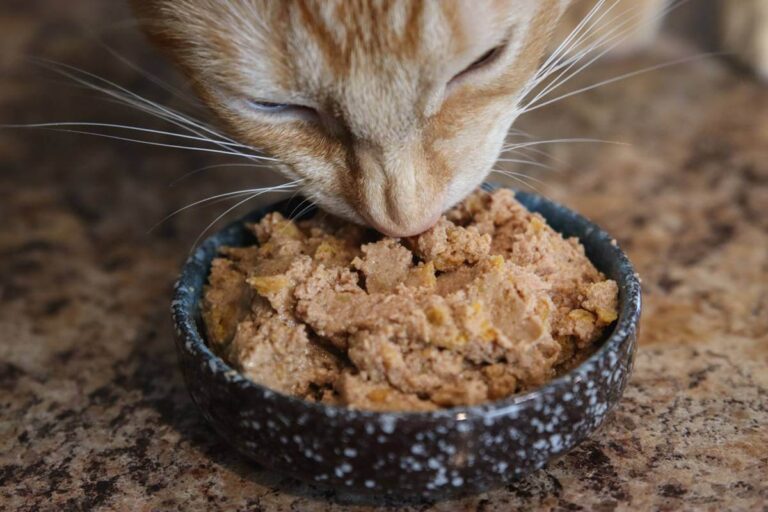
Cats like shrimp because its strong scent, savory taste, and high protein appeal to their natural meat-based diet.
If you have ever opened a bag of shrimp and seen your cat rush over, you are not alone. The answer to “why do cats like shrimp” involves smell, taste, texture, instinct, and learned food habits. This guide explains the science behind that craving and shows how to offer shrimp safely.

Why do cats like shrimp?
Cats are obligate carnivores. This means their bodies are built to get key nutrients from animal foods. Shrimp is rich in protein and has a strong seafood smell, so it can quickly attract a cat’s attention.
The answer to why do cats like shrimp is not simply that shrimp tastes good. Cats also respond to amino acids and other savory compounds found in meat and seafood. Their sense of smell guides much of their food choice, and warm shrimp can smell especially appealing.
Cats may also enjoy the soft, springy texture of cooked shrimp. It is different from dry kibble and may feel more like a special treat.
Several factors can explain a cat’s interest:
• Strong aroma: Shrimp releases a clear scent that cats can detect easily.
• Meat-based nutrition: Cats naturally seek animal protein.
• Savory taste: Shrimp contains compounds that create a rich, meaty flavor.
• New texture: Soft seafood can add variety to a cat’s usual diet.
• Positive learning: If shrimp was offered as a treat before, your cat may remember it.
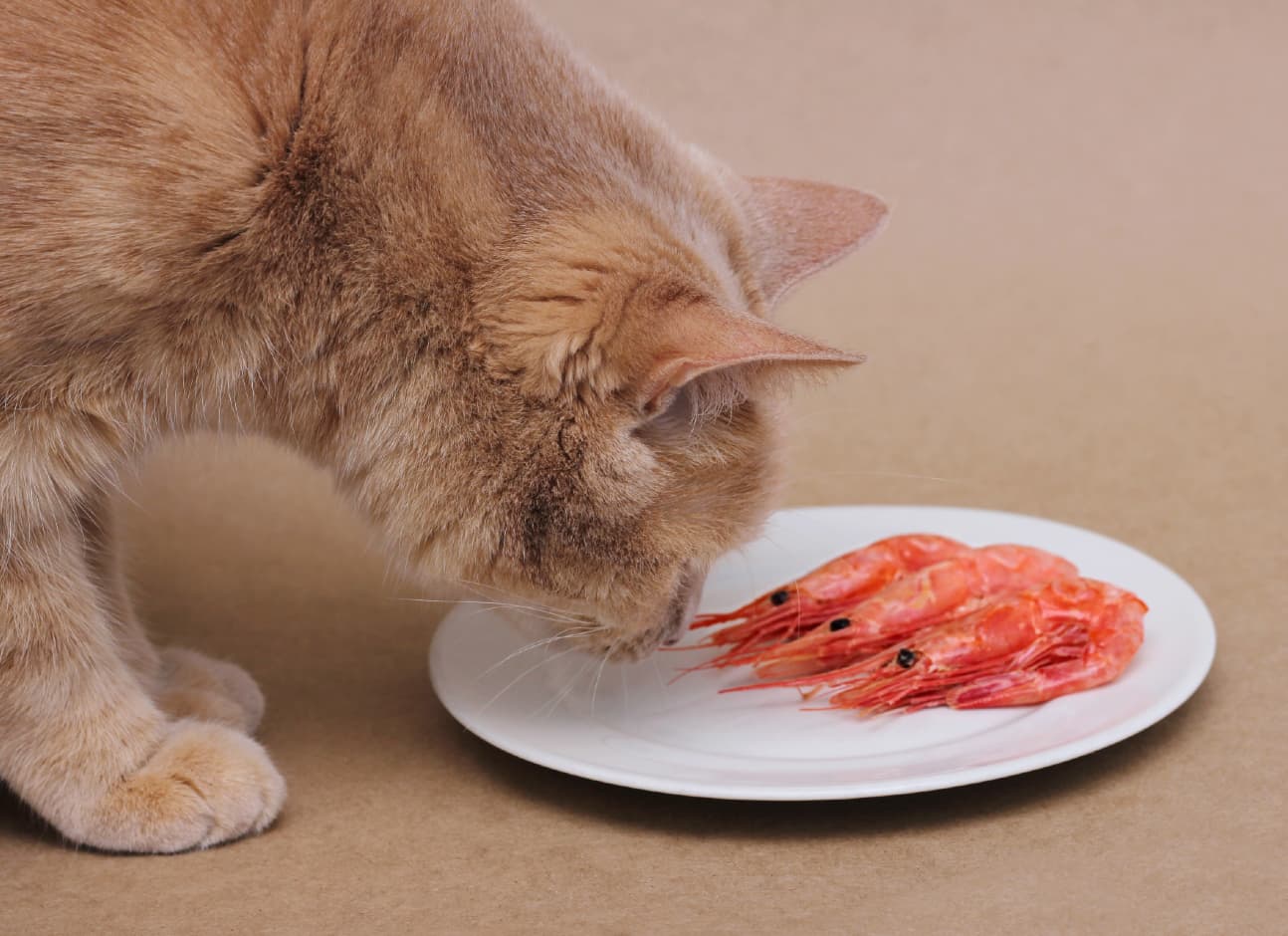
How a cat’s senses make shrimp appealing
A cat’s nose is a major part of its food system. Cats have far more scent receptors than people, so they can notice food odors that seem mild to us. This is one reason a cat may ignore a plain meal but react quickly to cooked seafood.
Cats do not taste sweetness in the same way humans do. Their taste system is better suited to detecting meat-related flavors. Shrimp contains amino acids and natural compounds that can create a savory taste.
Smell and taste work together like two parts of a team. The smell draws the cat closer, while the flavor and texture help decide whether the food is worth eating.
Cooking can make shrimp smell even stronger. Heat changes the proteins and releases more aroma. That can make cooked shrimp more tempting than raw shrimp, even though raw seafood is not the safer choice.

Is shrimp healthy for cats?
Plain, cooked shrimp can be a safe occasional treat for most healthy cats. It provides protein and contains nutrients such as vitamin B12, selenium, and small amounts of omega-3 fats.
Still, shrimp should not replace a complete and balanced cat food. Commercial cat diets are designed to provide the right levels of taurine, calcium, vitamins, minerals, and other nutrients. Shrimp alone does not meet all of a cat’s needs.
Shrimp also contains cholesterol and sodium. These are not usually a problem in a tiny serving, but large amounts may add too many calories or upset the diet.
A safe rule is to keep treats below about 10% of a cat’s daily calories. For many cats, one small piece of shrimp is enough. Smaller cats, kittens, senior cats, and cats with health problems may need less.
Ask your veterinarian before offering shrimp to a cat with:
• Kidney disease
• Heart disease
• Diabetes
• Pancreatitis
• Food allergies
• A strict prescription diet
How to prepare shrimp for cats safely
The safest shrimp for cats is fully cooked, plain, and unseasoned. Boiling or steaming works well. Let the shrimp cool before serving, then cut it into small pieces.
Follow these steps:
-
Cook the shrimp until the flesh is firm and no longer clear.
-
Remove the shell, tail, legs, and any sharp parts.
-
Do not add salt, butter, oil, garlic, onion, chili, or sauces.
-
Cut the shrimp into small bites.
-
Offer a tiny piece first.
-
Watch your cat for signs of stomach trouble.
Never give shrimp scampi, fried shrimp, popcorn shrimp, or restaurant shrimp to your cat. These foods often contain salt, fat, garlic, onion, breading, or spices that can be harmful.
This practical step matters because the shell and tail can cause choking or digestive blockage. Seasonings can also irritate the stomach, while garlic and onion may damage a cat’s red blood cells.

Can cats eat raw shrimp?
Raw shrimp is not the best choice for cats. Uncooked seafood can carry harmful bacteria and parasites. It may also spoil quickly if it is not kept cold.
Raw seafood can contain enzymes that interfere with thiamine, also called vitamin B1. A severe thiamine deficiency can harm the nervous system. Cooking helps destroy these enzymes and reduces the risk of foodborne illness.
Freezing does not make every raw seafood risk disappear. It may reduce some parasites, but it does not remove all bacteria or make raw shrimp a complete food.
For that reason, cooked shrimp is the better option. If your cat steals a small piece of raw shrimp, do not panic. Remove the rest, clean the area, and watch for vomiting, diarrhea, weakness, or unusual behavior.
Contact your veterinarian if symptoms appear, continue, or seem severe.

How much shrimp can a cat eat?
The right amount depends on your cat’s size, health, age, and daily calorie needs. Shrimp should be a treat, not a meal.
A general starting point is:
• Small cat: A bite or a quarter of a medium shrimp
• Average adult cat: One small or medium shrimp
• Large cat: One to two small shrimp, if tolerated
These amounts are only general guidance. Shrimp sizes differ, and some cats need fewer calories than others. A veterinarian can give more exact advice.
Introduce shrimp slowly. Give a small bite and wait a day before offering more. This makes it easier to notice an allergy or digestive reaction.
In my experience observing cats offered new foods, the biggest mistake is giving too much because the cat begs for more. A cat’s excited response does not mean its stomach can handle a full serving. Treat shrimp like a sample, not a buffet.

Possible risks of feeding shrimp to cats
Many cats tolerate plain cooked shrimp well, but no food is risk-free. Knowing the possible problems helps you make a safer choice.
Allergic reactions
Food allergies are not common, but they can happen. Watch for itching, skin bumps, hair loss, swollen lips, vomiting, or diarrhea.
A serious reaction may cause facial swelling or trouble breathing. This is an emergency and needs immediate veterinary care.
Stomach upset
A new food may cause loose stool or vomiting. Fatty shrimp dishes are more likely to cause trouble than plain steamed shrimp.
Stop serving shrimp if your cat develops repeated digestive problems after eating it.
Choking or blockage
Shrimp shells, tails, legs, and sharp pieces can become choking hazards. They may also cause an intestinal blockage.
Always remove these parts before serving shrimp.
Excess calories
Treats can cause weight gain when they are offered often. Extra weight may increase the risk of diabetes, joint disease, and other health problems.
Unsafe seasonings
Garlic and onion are toxic to cats. Salt, butter, sauces, and spicy seasonings can also cause problems.

Why do some cats dislike shrimp?
Not every cat likes shrimp. Food preferences vary, just as they do among people. A cat may dislike the smell, texture, temperature, or taste.
Some cats prefer poultry or fish. Others may avoid wet foods because they were raised on dry kibble. A cat with dental pain, nausea, or a reduced sense of smell may also reject shrimp.
Do not force a cat to eat it. Forcing new food can create stress and may make future feeding harder. Offer the shrimp once, then remove it if your cat shows no interest.
A sudden change in appetite is different from simple food preference. If a cat stops eating its normal food for a day, especially if it is overweight, contact a veterinarian. Cats can develop serious liver problems when they eat too little for too long.

Shrimp versus other seafood for cats
Shrimp is usually low in mercury compared with some larger fish. However, it still should not become a daily food. Variety and moderation are important.
Fish-based treats may also contain salt or added ingredients. Canned seafood made for people can be high in sodium and may not provide balanced nutrition.
When comparing seafood treats, look for:
• Plain ingredients
• No onion or garlic
• No added sauces
• Low salt
• Small serving sizes
• A product made for cats when possible
Shrimp can be more useful as a rare reward than as a regular diet item. A complete cat food remains the foundation of good nutrition.
Practical tips for offering shrimp
These simple tips can make shrimp safer and easier to manage:
• Use fresh or properly frozen shrimp.
• Wash your hands and cooking tools.
• Cook shrimp fully.
• Remove every shell and tail piece.
• Serve it plain and cool.
• Cut it into small pieces.
• Give it after, or alongside, a balanced meal.
• Count it as part of the daily treat allowance.
• Store leftovers in the refrigerator and use them promptly.
• Never leave a cat alone with a large piece of food.
One useful trick is to use a tiny shrimp piece during nail trimming or carrier training. This turns a strong food preference into a reward for calm behavior. Stop if the cat becomes too excited or starts guarding the treat.
Frequently Asked Questions
Why do cats like shrimp so much?
Cats may like shrimp because it has a strong smell, savory flavor, and animal protein. Its soft texture also makes it different from ordinary kibble.
Can cats eat cooked shrimp?
Yes, most healthy cats can eat a small amount of plain, fully cooked shrimp. Remove the shell and tail, and avoid salt, butter, garlic, onion, and sauces.
Can kittens eat shrimp?
Kittens should mainly eat a complete food made for growth. A tiny piece of plain cooked shrimp may be suitable after weaning, but ask a veterinarian first and avoid replacing kitten food with treats.
Is raw shrimp safe for cats?
Raw shrimp can carry bacteria and parasites, so it is not the safest choice. Cooked shrimp is safer and may reduce risks linked to harmful microbes and thiamine-destroying enzymes.
How often can cats eat shrimp?
Shrimp should be an occasional treat, not a daily meal. Keep all treats within about 10% of daily calories unless your veterinarian gives different advice.
What should I do if my cat eats shrimp shells?
Watch for choking, vomiting, belly pain, trouble passing stool, or unusual tiredness. Contact a veterinarian promptly if symptoms occur or if your cat swallowed a large shell or tail.
Conclusion
So, why do cats like shrimp? Its strong scent, savory taste, high protein content, and soft texture fit many of a cat’s natural food preferences. Plain cooked shrimp can be a safe occasional treat, but shells, tails, raw seafood, and seasoned dishes should stay off the menu.
Start with a tiny piece, watch your cat closely, and keep complete cat food at the center of the diet. If your cat has a medical condition or reacts badly, ask your veterinarian for personal advice. Share your cat’s favorite safe treats and explore more feline nutrition guides for practical feeding tips.