Why Does My Cat’s Fur Feel Dry: Causes And Solutions
A cat's dry fur may come from low humidity, poor grooming, diet, parasites, or an underlying health problem.
If you are wondering, “why does my cat's fur feel dry,” the texture can offer useful clues about your cat’s skin, grooming habits, diet, and overall health. Some causes are simple, such as winter air or extra bathing, while others need veterinary care. This guide explains what dry cat fur means, what you can safely try at home, and when a vet should check your cat.

Why does my cat's fur feel dry?
Healthy cat fur usually feels soft, smooth, and slightly shiny. It should not feel brittle, rough, greasy, or flaky. When a cat’s coat becomes dry, the skin may not be making enough protective oil, or the fur may not be receiving and spreading those oils during grooming.
The most common reasons include:
• Dry indoor air, especially during winter
• Too many baths or use of human shampoo
• Poor grooming due to pain, obesity, age, or illness
• A diet that does not meet the cat’s needs
• Fleas, mites, allergies, or skin infection
• Dehydration or another medical problem
The key is to look at the full picture. Dry fur alone may not be urgent, but dry fur combined with hair loss, itching, weight loss, thirst, or low energy deserves more attention.

Common causes of dry cat fur
Dry air and low humidity
Indoor heating can remove moisture from the air. This may leave your cat’s skin dry, much like dry air can make human hands feel rough. Cats that live in heated homes may show more dandruff or a dull coat during cold months.
A cool mist humidifier can help if the air in your home is very dry. Keep it clean and place it where your cat cannot knock it over.
Overbathing or harsh products
Most healthy cats do not need regular baths. They clean themselves well, and frequent bathing can remove natural oils from the skin and coat.
Human shampoo is not safe for cats because it can irritate their skin and may contain ingredients that cats should not swallow while grooming. If a bath is needed, use a gentle cat shampoo recommended by a veterinarian.
Poor grooming
Cats spread natural oils through their fur when they lick and brush themselves with their tongues. If your cat stops grooming, the coat may feel dry, clumped, or greasy.
Poor grooming can happen because of:
• Arthritis or dental pain
• Obesity that makes movement difficult
• Old age
• Stress or depression
• Fever or general illness
A cat that suddenly stops grooming should not be dismissed as simply messy. The change may be an early sign that something hurts or that your cat feels unwell.
An unbalanced diet
Skin and coat health depend on enough protein, fat, vitamins, and minerals. Cats also need certain nutrients that their bodies cannot make in adequate amounts, including taurine and arachidonic acid.
A complete and balanced commercial cat food usually provides these nutrients. Problems are more likely when a cat eats homemade food without a veterinary nutrition plan, too many treats, or food that is not designed for cats.
Do not add oils or supplements without advice. Too much of some nutrients can cause harm, and supplements may interact with medicines.
Fleas, mites, and other parasites
Parasites can damage the skin and make the coat look dry or dull. Flea bites may cause severe itching, scabs, overgrooming, and hair loss. Some cats are very sensitive to flea saliva, even when you see only a few fleas.
Ear mites and certain skin mites can also lead to irritation and poor coat quality. Never use a dog flea product on a cat unless a veterinarian confirms that it is safe. Products containing permethrin can be highly toxic to cats.
Allergies and skin disease
Cats may react to fleas, food ingredients, pollen, dust, or cleaning products. Allergies can cause itching, red skin, scabs, licking, and broken hairs. A fungal infection such as ringworm may cause bald, scaly patches and can spread to people and other pets.
A dry coat is sometimes only the visible part of a skin problem. A vet may need to examine skin cells, perform a fungal test, or check for parasites.
Dehydration
Dehydration can affect the skin and coat, although dry fur alone does not prove that a cat is dehydrated. Other signs may include sticky gums, weakness, reduced appetite, sunken eyes, or less urine.
Cats often drink less water than dogs because they evolved to get much of their water from food. Wet food, several clean water bowls, and a cat fountain may encourage better fluid intake.
Medical conditions
Several health problems can change a cat’s coat. These include kidney disease, diabetes, thyroid disease, digestive disorders, liver disease, and hormonal problems.
For example, hyperthyroidism may cause weight loss, increased hunger, vomiting, restlessness, and a poor coat. Kidney disease may cause increased thirst, more urination, nausea, and reduced grooming. These signs need veterinary assessment rather than home treatment.

How to tell what may be causing dry fur
When asking why does my cat's fur feel dry, start by checking for other changes. A simple coat problem often improves with better grooming, moisture, and a suitable diet. A medical problem usually brings additional signs.
Look for:
• Dandruff or white flakes
• Redness, scabs, sores, or a bad smell
• Bald spots or broken hairs
• Excessive licking, biting, or scratching
• Greasy fur mixed with dry skin
• Matted hair
• Weight loss or weight gain
• Changes in thirst, urination, appetite, or energy
• Vomiting or diarrhea
It also helps to review recent changes. Think about a new food, a move, a new pet, a bath, a new cleaning product, or missed parasite prevention. Your notes can help your veterinarian find the pattern faster.

Safe ways to improve your cat's dry coat
Brush gently
Regular brushing removes loose hair and helps spread natural oils. It also lets you spot fleas, flakes, mats, and skin changes early.
Use a brush suited to your cat’s coat. A soft brush may work for short hair, while a wide toothed comb may be better for long hair. Stop if your cat seems painful or upset.
Offer more moisture
Try adding wet food if it fits your cat’s diet and health plan. You can also place fresh water in more than one quiet area.
Some cats prefer wide, shallow bowls because their whiskers do not touch the sides. Wash bowls often, and keep water away from dirty litter boxes.
Feed complete and balanced food
Choose food labeled as complete and balanced for your cat’s life stage. Kittens, adults, seniors, and cats with medical conditions may have different nutritional needs.
Avoid sudden diet changes. Change food slowly over about seven days unless your veterinarian gives different instructions.
Control parasites
Use only cat safe flea and parasite products. Your veterinarian can recommend a product based on your cat’s age, weight, health, and lifestyle.
Treating only the cat may not solve a flea problem. Flea eggs and immature stages can remain in carpets, furniture, and bedding, so household control may also be needed.
Improve the home environment
A clean humidifier may help in a very dry home. Reduce strong fragrances, smoke, and harsh cleaners near your cat.
Give your cat a calm place to rest. Stress can lead to overgrooming, undergrooming, and changes in skin health.
Do not apply human skin products
Lotions, essential oils, coconut oil, and medicated creams are not automatically safe for cats. Cats may lick these products and swallow them.
Even natural products can irritate the skin or cause poisoning. Ask a veterinarian before applying anything to the coat.
When to call a veterinarian
Contact a veterinarian if your cat’s dry fur lasts more than a few weeks or keeps getting worse. You should also call sooner if your cat has itching, bald areas, scabs, wounds, or a sudden change in grooming.
Arrange prompt care for signs such as:
• Trouble breathing
• Severe weakness or collapse
• Repeated vomiting
• Not eating for about 24 hours
• Straining to urinate or producing little urine
• Severe pain
• Rapid weight loss
• Extreme thirst with frequent urination
Cats often hide illness. A coat that looks dull may be one of the first clues that a cat is not feeling well. Early care can make diagnosis and treatment easier.
Your veterinarian may examine the coat and skin, check for fleas, take skin samples, assess hydration, and recommend blood or urine tests. The right tests depend on your cat’s age, symptoms, diet, and medical history.
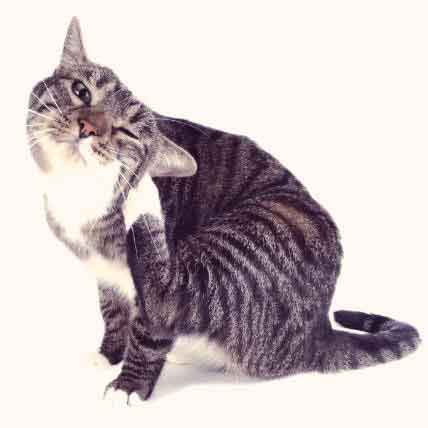
What happens at a veterinary visit?
The vet will usually ask when the coat changed and whether your cat is scratching, licking, eating, drinking, or using the litter box normally. Bring details about food, supplements, parasite prevention, bathing, and any recent home changes.
The exam may include:
• Checking the skin, ears, mouth, and coat
• Looking for fleas or flea dirt
• Testing for mites or fungal infection
• Checking body weight and hydration
• Reviewing the diet
• Running blood or urine tests when needed
Treatment depends on the cause. It may include parasite control, a prescription diet, medicine for infection, pain relief, allergy care, or treatment for an internal disease. Avoid guessing with supplements because they can hide symptoms or delay proper care.

Common mistakes to avoid
Many owners search why does my cat's fur feel dry and immediately reach for an oil or human product. This is understandable, but it can make the problem worse. Cats lick their coats, so anything placed on the fur may enter the digestive system.
Avoid these mistakes:
• Bathing your cat repeatedly
• Using human shampoo or dog flea medicine
• Scrubbing flakes from the skin
• Pulling at mats
• Giving fish oil or vitamins without veterinary advice
• Changing food several times in a short period
• Assuming dry fur is only a cosmetic issue
A gentle approach is safest. Improve hydration, provide suitable food, brush carefully, and watch for changes while arranging veterinary advice when needed.
A practical seven day care plan
If your cat is otherwise bright, eating, and acting normally, you can monitor the coat while making safe improvements.
-
Check the skin for redness, scabs, fleas, mats, or bald spots.
-
Record appetite, water intake, litter box habits, and energy.
-
Brush gently once a day if your cat enjoys it.
-
Offer fresh water in several clean bowls.
-
Feed a complete and balanced cat food.
-
Avoid baths, oils, and human skin products.
-
Contact your veterinarian if the coat does not improve or if new symptoms appear.
This plan does not replace a medical exam. It simply helps you care for your cat safely while gathering useful information.
Frequently Asked Questions About Why Does My Cat's Fur Feel Dry
Why does my cat's fur feel dry in winter?
Indoor heating lowers humidity, which can dry the skin and coat. Gentle brushing, fresh water, and a clean humidifier may help, but persistent flakes or itching need a veterinary check.
Can a poor diet make my cat's fur dry?
Yes, an unbalanced diet may affect skin and coat quality. Feed a complete and balanced cat food, and ask your veterinarian before adding supplements.
Should I give my cat oil for dry fur?
Do not give or apply oil without veterinary advice. Cats may lick it, and some oils or additives can cause stomach upset, skin irritation, or other health problems.
Can fleas cause dry, rough fur?
Yes, fleas can cause itching, scabs, overgrooming, and broken or dull fur. Use only a cat safe parasite treatment recommended for your cat’s age and weight.
Is dry fur a sign of dehydration?
It can occur with dehydration, but dry fur alone is not enough to diagnose it. Watch for sticky gums, weakness, poor appetite, less urine, or increased thirst and contact a vet if these appear.
Why does my older cat's fur feel dry?
Older cats may groom less because of arthritis, dental pain, obesity, or illness. A new coat change in a senior cat deserves a veterinary exam, especially with weight loss or changes in thirst.
How long does it take for a cat's coat to improve?
The time varies by cause. A coat may look better after several weeks of improved grooming and nutrition, but infections, parasites, allergies, and internal illness need specific treatment.
Conclusion
When asking why does my cat's fur feel dry, remember that the answer may be simple or medical. Low humidity, bathing, poor grooming, diet, parasites, allergies, dehydration, and illness can all affect the coat.
Start with gentle brushing, fresh water, complete food, and safe parasite control. Do not use human products or random supplements. If dry fur continues or appears with itching, hair loss, weight change, vomiting, thirst, or low energy, book a veterinary visit.
Your cat’s coat is a useful health signal. Watch it closely, act early, and share your observations with your veterinarian or in the comments below.