
Why Do Cats Only Eat Chicken: Reasons And Solutions
Cats may eat only chicken because its smell, taste, texture, and familiar flavor feel safe and rewarding.
If you are wondering why do cats only eat chicken, the answer is usually a mix of strong food preference, habit, texture, and scent. Still, a sudden chicken-only diet can point to dental pain, nausea, stress, or another health problem. This guide explains the common causes, the risks, and gentle ways to help your cat enjoy a balanced diet.
Why Do Cats Only Eat Chicken?
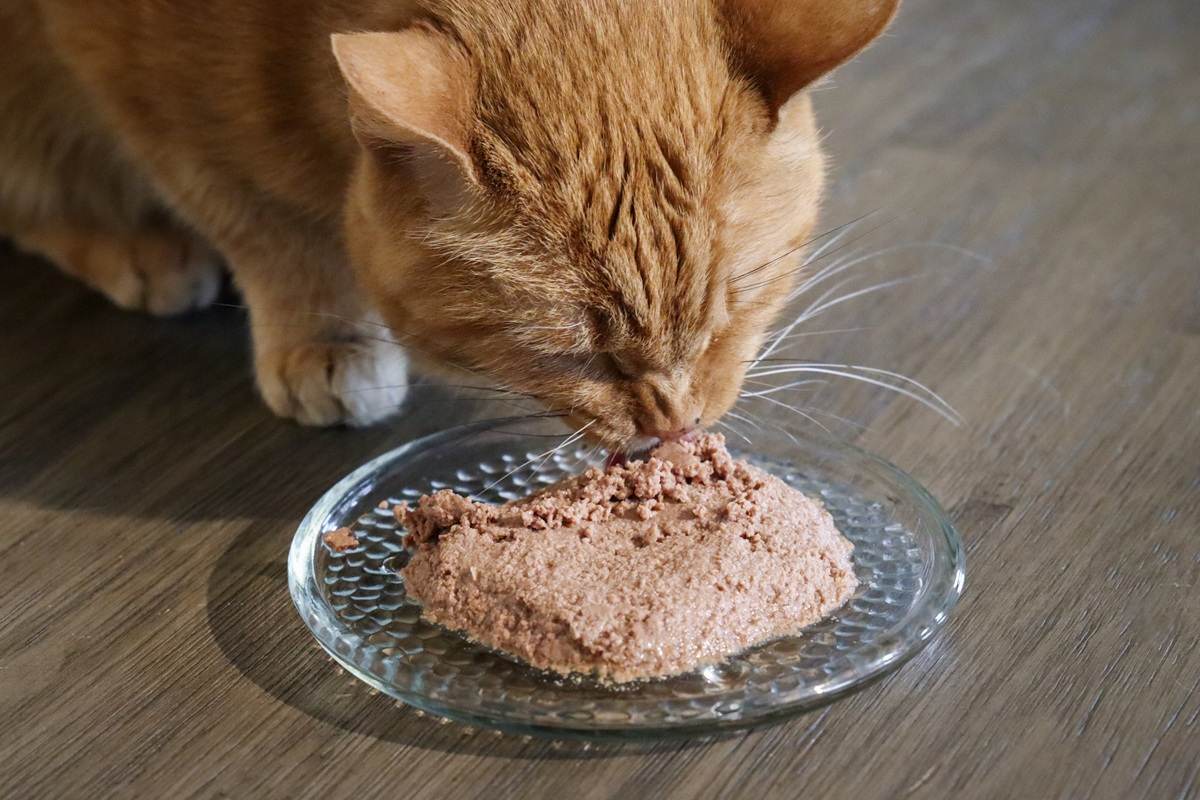
Cats are natural hunters, so meat has strong appeal. Chicken is soft, mild, easy to chew, and rich in a smell many cats enjoy. It also has a familiar texture, especially when it is cooked and shredded.
The answer to why do cats only eat chicken often starts with simple preference. Like people, cats can form strong opinions about food. One cat may love chicken, while another may prefer fish, turkey, or beef.
Cats also depend heavily on smell when choosing food. Their sense of smell is far stronger than ours. If chicken smells fresh and strong, your cat may ignore food with a weaker or less familiar scent.
Common Reasons Your Cat Prefers Chicken
Chicken has an appealing smell
Warm chicken releases natural fats and odors that can attract cats. Heating food also makes its scent stronger. This may explain why a cat refuses cold food but accepts gently warmed chicken.
Cats with a stuffy nose may also choose chicken because it has a clear, strong smell. When a cat cannot smell well, food can seem less interesting.
Chicken has a soft texture
Some cats dislike hard kibble or chunky wet food. Chicken that is finely shredded may feel easier to eat. This is especially true for older cats or cats with sore gums.
A soft preference can be a clue. If your cat used to eat crunchy food but now wants only soft chicken, schedule a veterinary check. Dental disease is common in cats and may cause pain while chewing.
Your cat learned that chicken brings rewards
Many owners offer chicken when a cat refuses its regular food. This is understandable, but it can teach the cat an important lesson: refusing dinner may produce something better.
This pattern can become a cycle:
- Your cat refuses the usual food.
- You offer chicken.
- Your cat eats the chicken.
- Your cat expects chicken at the next meal.
This does not mean your cat is being naughty. Cats repeat actions that work. The habit can become very strong over time.
Chicken feels familiar and safe
Cats often dislike sudden changes. A new food has a new scent, taste, and texture. Chicken may be the only food your cat recognizes as safe.
This is more common after stress. Moving, adding a new pet, changing routines, or visiting a boarding facility can affect appetite. A familiar food may feel like a small island of comfort.
Your cat may have a food sensitivity
A cat may prefer chicken because it does not seem to cause stomach upset. However, chicken itself can also cause an allergy or intolerance in some cats.
Possible signs include:
• Itchy skin or frequent grooming
• Vomiting or loose stool
• Ear irritation
• Red skin
• Poor weight gain
Food allergies are not diagnosed by preference alone. A veterinarian may suggest a careful elimination diet using a new protein or a prescribed food.
Illness can change food choices
The question why do cats only eat chicken deserves extra attention when the change is sudden. Cats may accept one food while rejecting others when they feel sick.
Possible causes include:
• Nausea
• Kidney disease
• Liver disease
• Dental pain
• Digestive problems
• Fever or infection
• Stress or anxiety
A cat that eats very little for a day should be watched closely. Cats can develop a dangerous liver condition called hepatic lipidosis after several days of poor eating, especially if they are overweight. Contact a veterinarian promptly if your cat stops eating, vomits, seems weak, or loses weight.

Is Chicken Safe for Cats?
Plain, fully cooked chicken can be a safe treat for most cats. It should contain no salt, onion, garlic, butter, sauces, or spicy seasoning. Remove the skin and all bones before serving.
Chicken should usually be a small part of the diet, not the entire diet. A healthy cat needs more than protein. It also needs the right amount of taurine, calcium, fatty acids, vitamins, and minerals.
Chicken prepared for people is not the same as complete cat food. A cat may enjoy a bowl of plain meat, but meat alone does not meet all feline nutrition needs.
What about raw chicken?
Raw chicken may contain harmful bacteria, including Salmonella and Campylobacter. These germs can make cats sick and can spread through kitchen surfaces, hands, or litter boxes.
Raw diets also need careful nutritional planning. A homemade raw diet may lack key nutrients or contain too much of others. If you are considering raw feeding, discuss it with a veterinarian or a board-certified veterinary nutritionist first.
Can cats eat chicken bones?
Never give cooked chicken bones to your cat. Cooked bones can splinter and cause choking, mouth injuries, intestinal blockage, or internal damage.
Raw bones are not risk-free either. They can break teeth, cause choking, or carry bacteria. Boneless chicken is the safer choice.
Can a Cat Live on Chicken Alone?
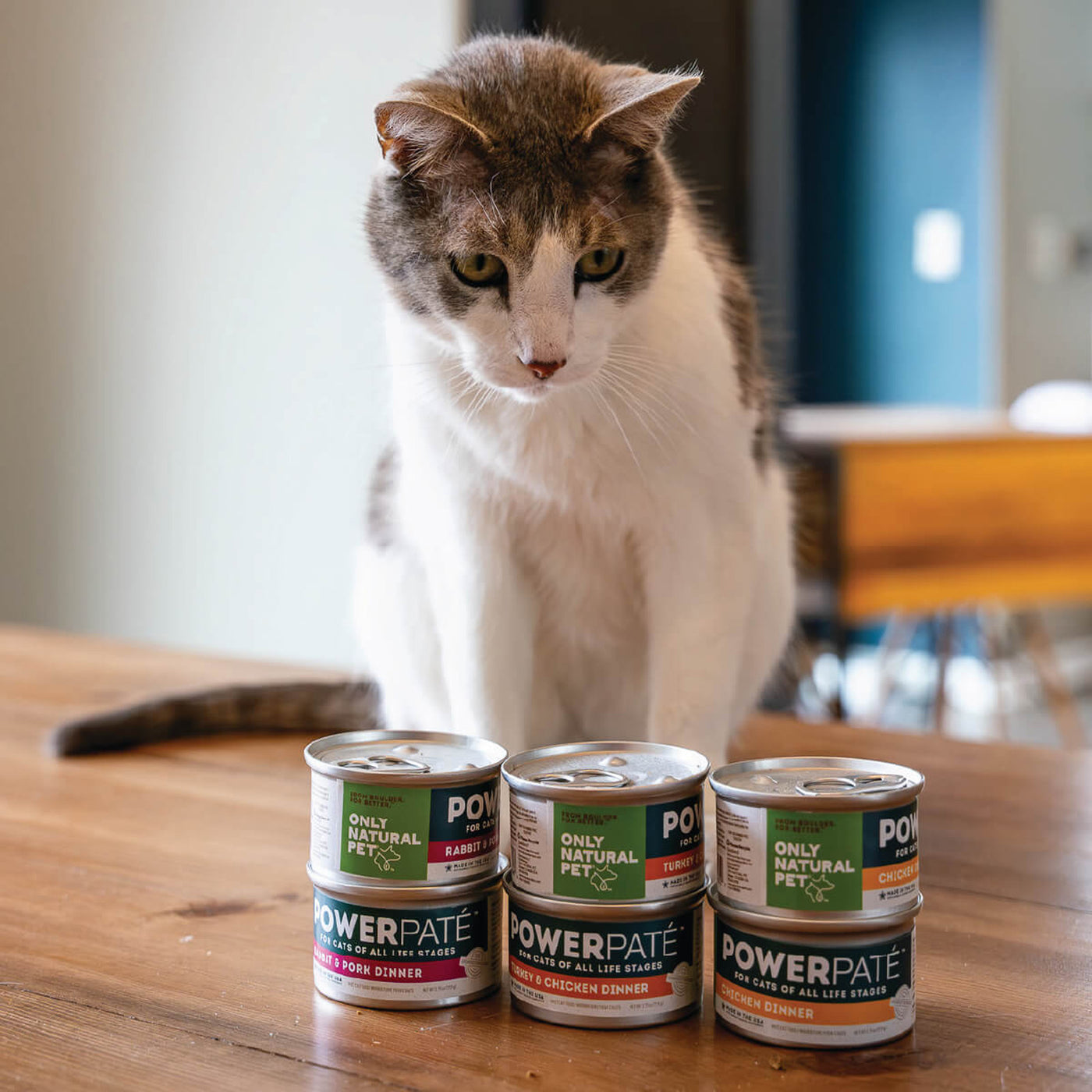
A cat should not live on plain chicken alone for the long term. Chicken is a useful treat, but it is not a complete and balanced diet unless it has been formulated with the required nutrients.
Cats need taurine for normal heart and eye function. They also need preformed vitamin A, arachidonic acid, calcium, and other nutrients that plain chicken does not provide in the right amounts.
A chicken-only diet may cause:
• Calcium deficiency
• Weak bones and teeth
• Poor muscle function
• Heart problems linked to nutrient shortages
• Vision problems
• Weight loss or poor growth
• Dull fur and skin issues
This is one reason commercial cat foods include a nutritional adequacy statement. Look for food labeled complete and balanced for your cat’s life stage.
A kitten, adult cat, pregnant cat, and senior cat may have different needs. Kittens need food made for growth. Adult cats need food for maintenance. Your veterinarian can help you choose the best option.
How to Move a Chicken-Only Cat to Balanced Food
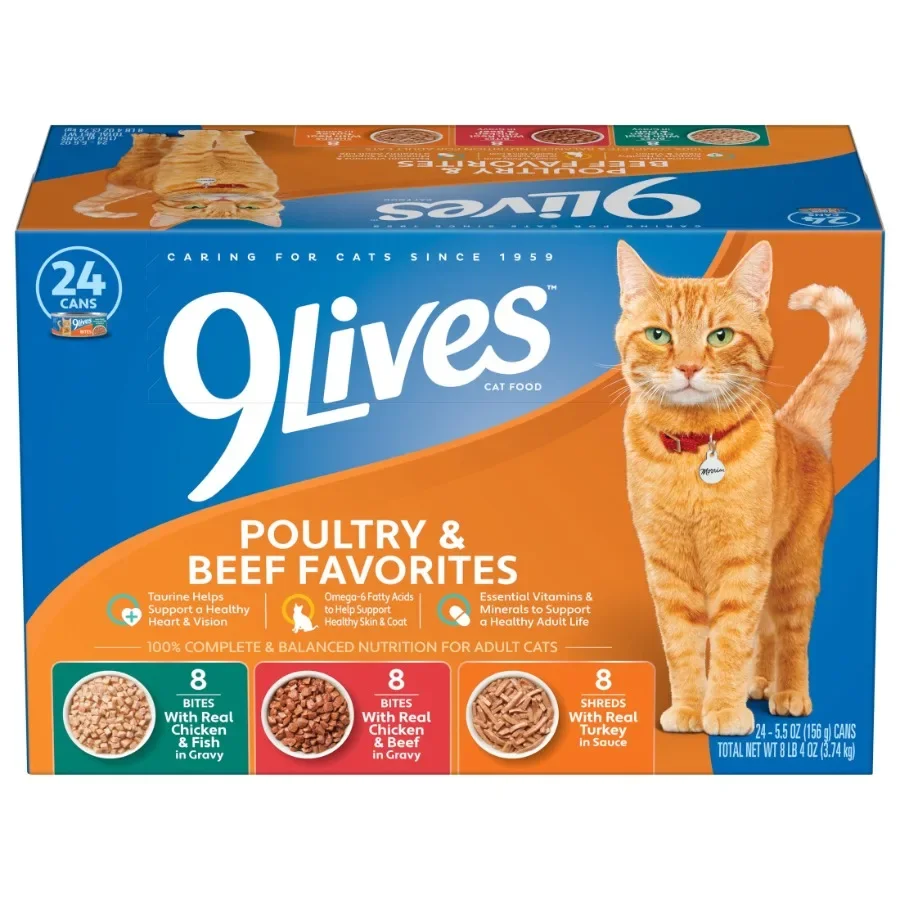
Changing food too fast can cause refusal or stomach upset. A slow plan works better for most cats.
Use a gradual transition
Try this schedule:
- Start with about 90% of the current food and 10% complete cat food.
- Keep that mix for two or three days.
- Move to 75% current food and 25% new food.
- Slowly increase the complete food over one to two weeks.
- Pause at any stage if your cat refuses food or develops digestive upset.
Some cats need several weeks. Patience matters more than speed.
Make the new food smell familiar
Add a small amount of plain chicken to complete cat food. Then reduce the chicken over time. You can also warm wet food slightly to increase its aroma.
Do not heat food until it is hot. Test it with your finger before serving. Warm, not hot, is the goal.
Try different textures
Cats can be very specific about texture. Test small amounts of:
• Smooth pâté
• Shredded food
• Minced food
• Soft chunks in gravy
• Moist food with extra water
If your cat has dental pain, a smooth food may be easier. A veterinary exam should come first if chewing seems uncomfortable.
Offer meals on a routine
Serve food at set times rather than leaving many options out all day. Remove uneaten food after a reasonable period, especially wet food.
Avoid changing several things at once. If you introduce a new brand, new bowl, and new feeding location together, you may not know what helped or caused stress.
Avoid force-feeding at home
Pushing food into a cat’s mouth can increase fear and food refusal. It can also create a risk of inhaling food. If your cat will not eat, ask a veterinarian for safe support.

When Should You Call a Veterinarian?
A preference for chicken is not always an emergency. A cat that happily eats complete chicken-flavored cat food, maintains a healthy weight, and acts normally may simply have a favorite flavor.
Still, contact a veterinarian if your cat’s eating habits change suddenly. Watch for signs that suggest a medical problem.
Seek veterinary advice when your cat:
• Eats very little or nothing
• Loses weight
• Vomits or has diarrhea
• Drools or drops food
• Chews on one side
• Has bad breath
• Hides more than usual
• Drinks or urinates much more
• Seems weak or painful
• Has trouble swallowing
Cats often hide illness. A small change in food choice may be one of the first visible signs. It is better to check early than to wait until the problem becomes severe.
During a veterinary visit, mention how much chicken your cat eats, how it is prepared, and which foods your cat refuses. A food diary can help reveal patterns.

Chicken Treats and Portion Control
Treats should not replace balanced meals. Veterinary nutrition guidance commonly recommends keeping treats and extras to about 10% of a cat’s daily calories.
For many cats, a few small pieces are enough. Cut cooked chicken into tiny bites. This lets you reward your cat without adding too many calories.
Avoid chicken nuggets, fried chicken, deli meat, canned soup, and seasoned leftovers. These foods may contain excess fat, salt, onion, garlic, or other ingredients that are unsafe for cats.
Plain chicken can work well as a training reward. You might use it to encourage a cat to enter a carrier or accept a new feeding bowl. The key is to keep portions small and the main diet complete.
What I Would Do in This Situation
When a cat eats only chicken, I would first separate preference from warning signs. I would ask whether the change was gradual or sudden, whether the cat chews normally, and whether there are changes in weight, stool, energy, or grooming.
A practical mistake is offering a large bowl of chicken after every refused meal. That can strengthen the chicken-only habit. Instead, I would book a checkup if the change is sudden, then use tiny amounts of plain chicken as a bridge to complete cat food.
I would also check the label on the regular food. A food labeled complete and balanced is a better daily choice than plain meat. If a homemade diet is important to the family, I would ask a veterinary nutrition professional to create a recipe rather than guessing at supplements.
This approach respects the cat’s preference without allowing that preference to create a nutrition problem.

Frequently Asked Questions About Why Do Cats Only Eat Chicken
Why do cats only eat chicken but refuse cat food?
Cats may prefer chicken because it has a stronger smell, softer texture, or more familiar taste. Refusal can also result from dental pain, nausea, stress, or a recent change in food, so a sudden shift deserves attention.
Is plain cooked chicken good for cats?
Plain, boneless, fully cooked chicken can be a safe occasional treat. It should not replace complete and balanced cat food because chicken alone lacks several nutrients cats need.
How much chicken can I give my cat?
Chicken and other treats should generally stay near 10% of daily calories. Give small, bite-sized pieces and ask your veterinarian for a portion guide if your cat is overweight, underweight, or has a health condition.
Can chicken cause allergies in cats?
Yes, some cats can develop an allergy or sensitivity to chicken. Itching, skin problems, vomiting, or diarrhea may occur, but a veterinarian must confirm the cause with a structured diet trial.
Should I worry if my cat suddenly eats only chicken?
A sudden change may signal dental pain, nausea, stress, or another illness. Contact your veterinarian if your cat eats very little, loses weight, vomits, hides, or shows any other unusual behavior.
Can kittens eat only chicken?
No. Growing kittens need a complete diet made for growth. Plain chicken does not provide the correct balance of calcium, taurine, vitamins, and other nutrients needed for healthy development.
Conclusion
The answer to why do cats only eat chicken is often linked to smell, taste, texture, habit, and comfort. Plain cooked chicken can be a useful treat, but it is not a complete diet for long-term feeding. A sudden chicken-only preference may also signal dental pain, nausea, stress, or illness.
Offer a complete and balanced cat food, make changes slowly, keep chicken plain and limited, and watch your cat’s weight and behavior. If the change is sudden or your cat eats very little, contact a veterinarian. Share your cat’s favorite food and feeding challenges in the comments, and explore more trusted cat-care resources for practical guidance.