Why Do Cats Need More Protein Than Dogs: Key Facts
Cats need more protein because their bodies are built to use amino acids every day.
If you have wondered why do cats need more protein than dogs, the answer lies in their evolution, metabolism, and unique nutrient needs. Cats are obligate carnivores, while dogs are omnivores with greater metabolic flexibility. This guide explains the science in simple terms and shows how to choose a safe, balanced diet for your cat.
Why do cats need more protein than dogs?
Cats need more protein than dogs because their bodies constantly break down amino acids for energy and vital body functions. Dogs can reduce protein use during times of low protein intake. Cats are less able to make that adjustment.
A cat’s metabolism is like an engine that runs on a steady supply of animal-based nutrients. Even when a cat eats less protein, its body may continue using amino acids at a high rate. This can cause the body to break down its own muscle tissue to meet the demand.
The main reasons why do cats need more protein than dogs include:
• Cats evolved as hunters and ate prey rich in protein.
• Cats use amino acids for energy more often than dogs.
• Cats need certain amino acids that they cannot make in enough amounts.
• Cats have limited ability to adjust protein metabolism.
• Protein supports their muscles, skin, organs, immune system, and daily repair.
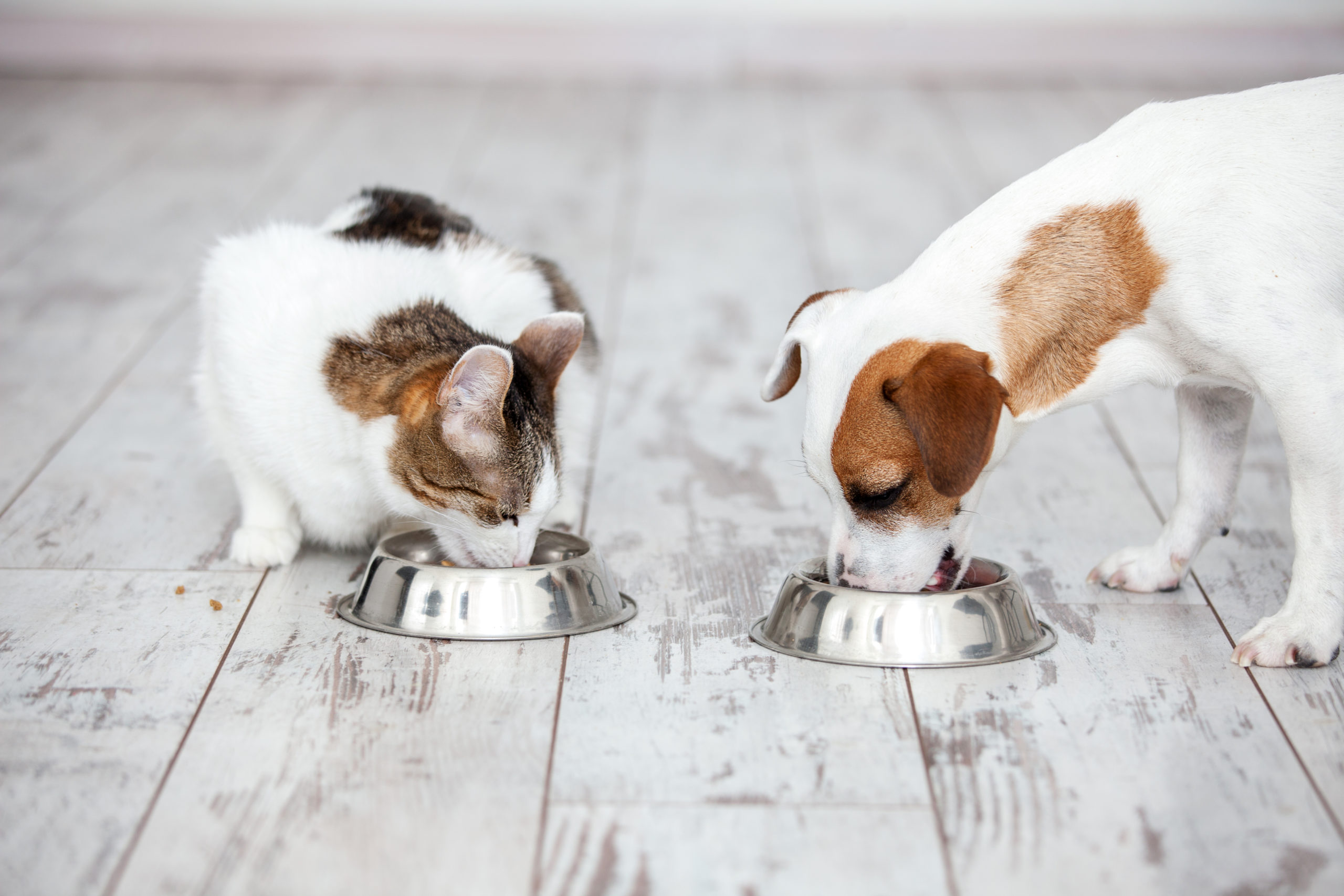
Dogs also need protein. However, dogs can use carbohydrates more easily for energy and can adapt better to different diets. Cats have a narrower nutritional design.
Cats are obligate carnivores
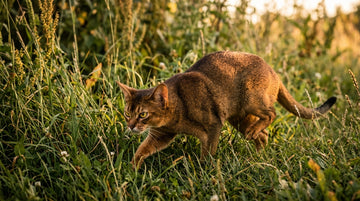
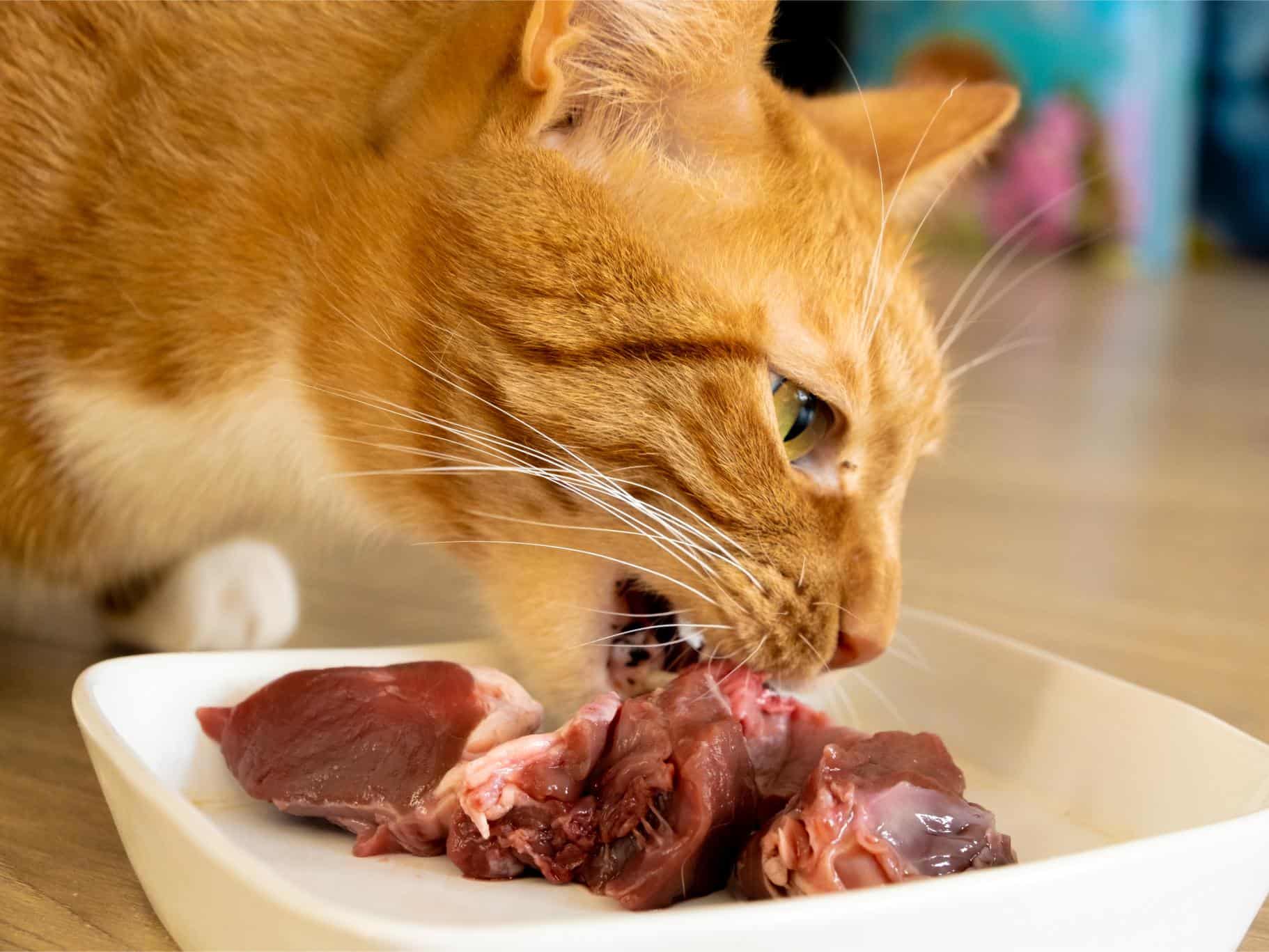
Cats are called obligate carnivores because animal tissue is a natural and important part of their diet. This does not mean every cat must eat raw meat. It means cats require nutrients that are naturally found in animal foods and may not get enough from plants alone.
Wild cats typically eat small prey such as mice, birds, and insects. These prey animals provide protein, fat, water, taurine, and other nutrients. Domestic cats still share many of the same biological needs, even when they live indoors and sleep on the sofa.
This helps explain why do cats need more protein than dogs. A dog’s digestive system and metabolism can handle a wider mix of foods. Cats can digest some plant ingredients, but their bodies are designed around nutrients from animal sources.
A complete cat food may include grains, peas, potatoes, or other plant ingredients. These ingredients are not automatically harmful. The key question is whether the final food provides all required nutrients in safe amounts.
How much protein do cats need?
Protein needs vary with age, health, activity, and life stage. Still, cats generally need a higher protein percentage than dogs.
Nutritional profiles commonly used in the United States list these approximate minimums for adult maintenance foods:
• Adult cats: about 26% crude protein on a dry matter basis
• Adult dogs: about 18% crude protein on a dry matter basis
These figures are minimum standards, not ideal targets for every pet. A healthy, active cat may do well with more protein than the minimum. Kittens, pregnant cats, nursing cats, and some working animals may need additional nutritional support.
Dry matter basis is important because canned food contains much more water. For example, a wet food with 10% protein and 78% moisture has about 45% protein on a dry matter basis. A dry food with 35% protein may look higher on the label but contains far less water.
To compare foods:
-
Subtract the moisture percentage from 100.
-
Divide the listed protein percentage by the result.
-
Multiply by 100.
For the wet food example:
10 ÷ 22 × 100 = about 45% protein on a dry matter basis.
This calculation gives a fairer comparison between wet and dry cat food.
Cats need specific amino acids
Protein is made of amino acids. Some amino acids are produced by the body, while others must come from food. These are called essential amino acids.
Cats need several essential amino acids in their diet. Four are especially important when explaining why do cats need more protein than dogs.
Taurine
Taurine supports normal heart function, vision, digestion, reproduction, and the nervous system. Cats cannot make enough taurine from other nutrients, so they must obtain it from food.
A taurine deficiency may contribute to serious problems, including retinal damage and a heart condition called dilated cardiomyopathy. Commercial cat foods are usually supplemented with taurine, but homemade diets can become unsafe when this nutrient is missed.
Arginine
Arginine helps the body remove ammonia created during protein breakdown. Cats have a high need for arginine and can become very ill if they do not receive enough.
A severe arginine shortage can cause vomiting, weakness, tremors, or other signs of ammonia toxicity. This is one reason a cat should never be placed on a poorly designed homemade diet.
Methionine and cysteine
These sulfur-containing amino acids help support skin, hair, metabolism, and tissue repair. They are also involved in the production of important body compounds.
A cat’s fur may become dull or brittle when its diet is poor in protein quality or lacks key nutrients. Coat changes can have many causes, so they should not be used as the only way to judge a diet.

Cats use protein for energy
Cats use protein for more than building muscle. Their bodies also use amino acids to help make energy and glucose.
This process is called gluconeogenesis. It allows the liver to make glucose from substances such as amino acids. Cats use this pathway on a steady basis, even when they have eaten enough carbohydrates.
Dogs can increase or reduce some protein-related pathways based on their diet. Cats tend to keep these pathways active. This fixed pattern is a major part of why do cats need more protein than dogs.
Think of it like two cars. A dog may switch between several types of fuel. A cat is more dependent on a protein-rich fuel system. If the diet does not supply enough protein, the body may take amino acids from muscle.
This does not mean carbohydrates are poisonous to cats. Healthy cats can digest cooked starch in properly made food. It means protein remains a central nutrient, while carbohydrates are not as biologically essential for cats.
Protein helps preserve muscle in cats
Adequate protein supports lean muscle, movement, wound healing, immune defenses, and organ function. This matters at every age, but it becomes especially important as cats grow older.
Senior cats often lose muscle even when their body weight seems normal. A cat may look “fine” on the scale while slowly losing muscle along the spine, hips, and back legs.
A higher-protein, complete diet may help some older cats maintain lean tissue. However, more protein is not always better. Cats with kidney disease may need a carefully planned diet with controlled phosphorus and adjusted protein quality.
A common mistake is to reduce protein sharply whenever a cat has kidney problems. Another mistake is to increase protein without veterinary guidance. Kidney nutrition is more complex than one ingredient or one number.
Your veterinarian may consider:
• Blood urea nitrogen and creatinine
• Symmetric dimethylarginine levels
• Urine concentration
• Phosphorus levels
• Body condition and muscle condition
• Appetite, hydration, and weight changes
Protein quality matters as much as protein percentage
The number on a pet food label does not tell the whole story. Protein quality depends on digestibility, amino acid balance, freshness, and how well the food meets a cat’s needs.
A food with a high crude protein number may not be ideal if the protein is poorly digested or does not provide the right amino acids. Likewise, a food with moderate protein may work well if it is complete, balanced, and highly digestible.
Look for these signs of a sound cat food:
• It is labeled complete and balanced for the cat’s life stage.
• It meets recognized nutritional standards.
• It lists a named animal protein, such as chicken, turkey, beef, or fish.
• It comes from a company with qualified nutrition experts and quality testing.
• Your cat maintains a healthy weight, good muscle tone, and normal stool.
Animal ingredients are useful, but ingredient lists can be misleading when viewed alone. A named meat meal can provide concentrated protein. Some plant ingredients may also contribute useful amino acids. Nutrition is about the finished recipe, not one ingredient in isolation.

Wet food, dry food, and protein intake
Both wet and dry foods can provide enough protein when they are complete and balanced. The better choice depends on your cat’s health, preferences, budget, and feeding routine.
Wet food has a high water content. This can help increase total fluid intake, which may benefit cats that do not drink much. It is often helpful for cats with urinary concerns, although water intake and urinary health involve more than food alone.
Dry food is convenient, easy to measure, and often less expensive per calorie. Some cats do well with it, but free feeding can lead to excess calories and weight gain.
When comparing cat foods, check:
• Protein on a dry matter basis
• Calories per cup, can, or pouch
• Moisture content
• Phosphorus, if your veterinarian has raised a concern
• Feeding directions and life-stage labeling
• Your cat’s body condition over time
A practical lesson from nutrition counseling is that owners often focus on the word “meat” and overlook calories. A food can be protein-rich but still cause weight gain if portions are too large. Measure meals, watch body shape, and adjust with veterinary advice.
Can cats eat dog food?
A small bite of dog food will not usually harm a healthy cat. However, dog food should not be a cat’s main diet.
Dog food may not provide enough taurine, arachidonic acid, preformed vitamin A, or other nutrients required by cats. It may also contain less protein than a cat needs.
This is another clear example of why do cats need more protein than dogs. Dog food is formulated for canine nutritional needs, not feline needs. Even if a dog food appears rich in meat, it may still fail to meet a cat’s nutrient requirements.
If your cat accidentally eats some dog food, offer its normal cat food at the next meal. Contact a veterinarian if the cat eats a large amount, develops symptoms, or has a health condition that makes diet changes risky.

Homemade and raw diets require caution
Homemade diets can look healthy, but balancing one for a cat is difficult. Meat alone is not a complete diet. It may lack calcium, taurine, vitamin A, iodine, copper, and other nutrients.
Raw diets also carry risks. Raw meat can contain bacteria such as Salmonella or Listeria. Bones can cause broken teeth, choking, intestinal blockage, or injury. Freezing does not remove every risk, and supplements can be incorrectly measured.
If you want to feed a homemade diet, work with a board-certified veterinary nutritionist. The recipe should be designed for your cat’s age, health, and calorie needs.
Avoid these common mistakes:
• Feeding only chicken, beef, or fish
• Adding random supplements
• Removing organ meat without replacing its nutrients
• Using a dog recipe for a cat
• Assuming raw means complete
• Changing diets quickly
A balanced commercial food is often the safer and simpler option for most households.
When high protein may not be appropriate
More protein is not automatically healthier for every cat. Cats with chronic kidney disease, certain liver disorders, or other medical conditions may need a tailored nutrition plan.
The goal is not to feed the highest protein food possible. The goal is to provide the right amount of digestible protein while controlling other nutrients when needed.
Cats with kidney disease may benefit from diets that manage phosphorus and provide high-quality protein. Research and veterinary practice support individualized plans rather than one rule for every cat.
Do not make a major diet change based only on an online article. Ask your veterinarian about testing, disease stage, calorie intake, and muscle condition. A cat that stops eating is an urgent concern because cats can develop hepatic lipidosis, or fatty liver disease, after prolonged food refusal.
How to choose the right protein level
Choosing food becomes easier when you follow a simple process.
-
Check the life stage. Kittens, adults, and seniors have different needs.
-
Confirm the food is complete and balanced for cats.
-
Compare protein on a dry matter basis.
-
Consider calories, not protein alone.
-
Choose a texture your cat will reliably eat.
-
Watch muscle condition and body weight.
-
Ask your veterinarian about special health needs.
A cat that eats a moderate-protein food consistently may be healthier than a cat that refuses a high-protein food. Appetite matters. So does hydration. So does the complete nutrient profile.
For picky cats, try gradual changes. Mix a small amount of the new food with the old food, then increase it over seven to ten days if your cat accepts it. Some cats need a slower transition.
Frequently Asked Questions About Why Do Cats Need More Protein Than Dogs
Why do cats need more protein than dogs?
Cats use amino acids for energy and body functions at a steady rate. Dogs can rely more on carbohydrates and adjust protein metabolism more easily.
Do cats need animal protein?
Cats need essential nutrients commonly found in animal tissues, including taurine and preformed vitamin A. A complete commercial cat food can provide these nutrients safely, whether its recipe also includes selected plant ingredients.
Can cats live on a low-protein diet?
Healthy cats generally need a diet that meets their higher protein needs. Cats with kidney or other medical problems may require a specific protein plan created with veterinary guidance.
Is high-protein cat food always better?
No. The food must also provide balanced vitamins, minerals, calories, and essential amino acids. Excess calories can cause obesity, and some medical conditions require limits on certain nutrients.
Can cats eat dog food sometimes?
An occasional small amount is usually not dangerous for a healthy cat. Dog food should not replace cat food because it may not supply enough taurine and other feline nutrients.
Do kittens need more protein than adult cats?
Kittens need nutrient-dense food to support growth, tissue development, and activity. Feed a complete kitten or growth formula unless your veterinarian recommends another plan.
Does wet cat food have more protein than dry food?
Not always. Wet food contains more water, so the protein percentage on the label can look lower. Compare foods using dry matter calculations to make a fair assessment.
Conclusion
Cats need more protein than dogs because they evolved to eat prey, use amino acids as a regular energy source, and depend on nutrients such as taurine and arginine. Dogs can thrive on a wider range of diets, but cats have more specific nutritional needs.
Choose a complete and balanced cat food, compare protein on a dry matter basis, measure portions, and monitor your cat’s muscle, weight, appetite, and energy. If your cat has kidney disease or another medical condition, get a personalized plan from a veterinarian. Share this guide with another cat owner, and explore more trusted pet nutrition resources before changing your cat’s diet.