Taste of the Wild vs Blue Wilderness Cat Food: My Real Test
Finding the right dry kibble for a multi-cat home can feel like a guessing game. Some cats need high protein for muscle, while others just want a crunch they actually like. In this real-world test, I fed Taste of the Wild vs Blue Wilderness cat food to my own cats to see which dry recipe wins.
Both brands claim to offer wild, protein-rich diets that your indoor hunter craves. After weeks of scooping both, measuring litter box changes, and watching my cats’ energy levels, I found a clear winner. Here is what happened when these two premium kibbles faced off in my kitchen.
Side-by-Side Specs Comparison
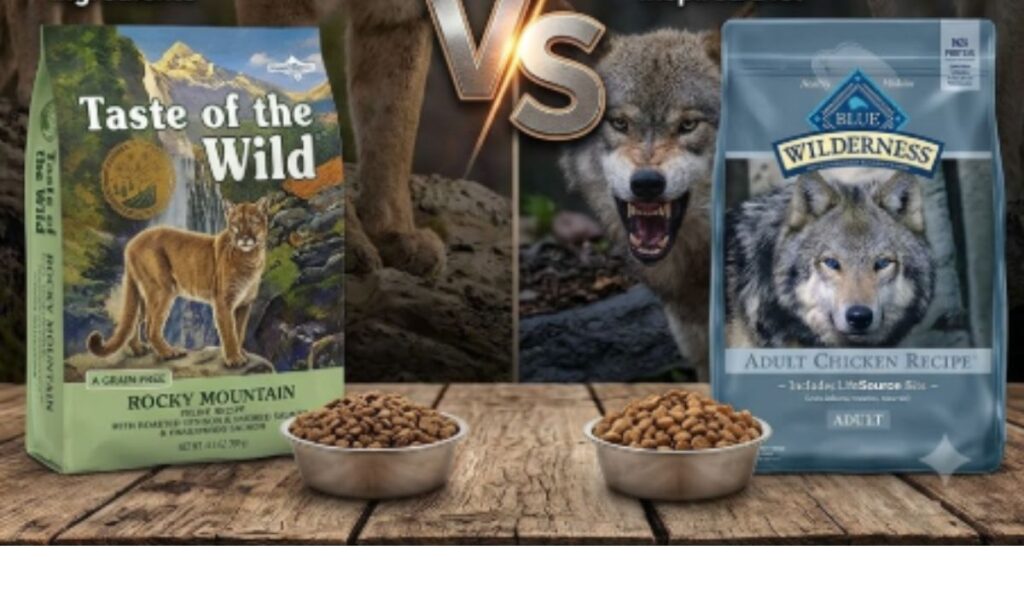
Comparing dry kibbles requires looking closely at the guaranteed analysis and calorie counts. Here is how both recipes stack up on paper before we get into how they performed in the bowl.
| Feature | Taste of the Wild | Blue Wilderness |
|---|---|---|
| Price | Mid-Range | Premium |
| Protein % | 42.0% | 40.0% |
| Fat % | 18.0% | 18.0% |
| Crude Fiber % | 3.0% | 4.0% |
| Calorie Density | 390 kcal/cup | 443 kcal/cup |
| Bag Sizes | 5 lbs, 14 lbs | 2.5 lbs, 5 lbs, 9.5 lbs, 12 lbs |
| AAFCO Statement | All Life Stages | Adult Maintenance |
| Warranty | Yes | Yes |
Both brands offer high protein levels that mimic a cat’s natural ancestral diet. However, Taste of the Wild has a slightly higher protein content and is suitable for all life stages.
Check the Taste of the Wild Rocky Mountain Grain-Free Dry Cat Food Price on AmazonUnboxing and First Impressions
When I first opened the Taste of the Wild bag, a rich, roasted smell hit the air immediately. The bag does not have a ziplock seal, which was my first minor annoyance. I had to use a heavy bag clip to keep the kibble fresh. The kibble itself is small, round, and has a slightly oily texture that my cats noticed right away.
The Blue Wilderness bag, on the other hand, comes with a sturdy Velcro-like zipper seal. Opening it revealed slightly larger, darker kibble pieces mixed with smaller LifeSource Bits. The smell was strong but less roasted, leaning more toward a standard poultry aroma. My picky cat sniffed both bowls on day one and walked away from Blue Wilderness first, showing an immediate interest in the Taste of the Wild pile.
Ingredient Quality and Nutrition
Nutrition starts with what actually goes into the bag. Let’s break down the ingredients of both dry foods to see what your cat is digesting.
First Five Ingredients
Taste of the Wild starts with chicken meal, peas, and sweet potatoes, followed by chicken fat and pea protein. Blue Wilderness begins with deboned chicken, chicken meal, pea protein, tapioca starch, and peas. Blue Wilderness gets a point here for having real deboned meat as the very first ingredient.
Protein Source Quality
Both brands rely heavily on poultry meals to boost their protein content to around 40%. Taste of the Wild adds roasted venison and smoked salmon, though they are further down the list. Blue Wilderness relies on chicken and turkey meals to build its strong animal-based protein foundation.
Grain-Free or Grain-Inclusive
Both of these specific recipes are grain-free, using peas and sweet potatoes instead of corn or wheat. This is great for cats with grain sensitivities. However, the high amount of peas in both formulas might concern owners looking to limit plant-based proteins.
Additive and Preservative Profile
Blue Wilderness includes their signature LifeSource Bits, which are cold-formed chunks of vitamins and antioxidants. Taste of the Wild relies on mixed tocopherols for natural preservation and includes active probiotics. Neither bag contains artificial colors or harsh chemical preservatives, which is a big relief.
AAFCO Life Stage Suitability
Taste of the Wild is formulated to meet AAFCO profiles for all life stages, making it great for growing kittens and seniors alike. Blue Wilderness is strictly for adult maintenance. If you have a multi-cat home with different ages, Taste of the Wild is the safer, more flexible option.
Palatability — Will Your Cat Actually Eat It?
A food can be incredibly healthy, but it does not matter if your cat refuses to touch it. I watched my cats closely during the first week to see their natural preferences.
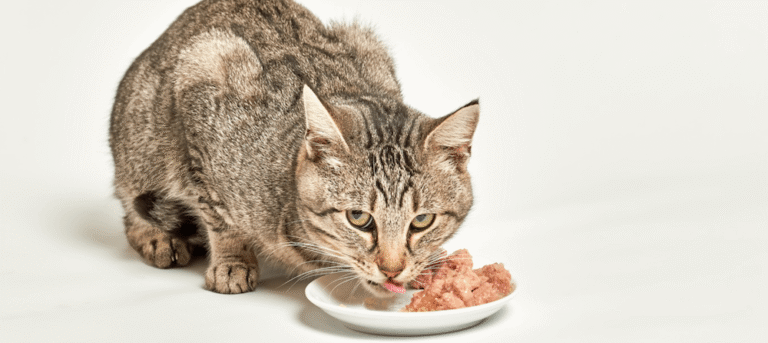
On the first offer, my younger cat dove straight into the Taste of the Wild bowl, loving the small kibble size. My older, pickier cat sniffed the Blue Wilderness bowl, licked one kibble, and walked away. Over the next few days, both cats warmed up to both brands, but the crunch appeal of Taste of the Wild won out. They consistently finished their portions of Taste of the Wild first.
The Blue Wilderness bits seemed a bit harder for them to crunch comfortably, sometimes leading to kibble scattering across the floor when they ate too fast. They also tended to leave the dark LifeSource Bits at the bottom of the bowl, picking around them to get the main kibble.
Check the Blue Buffalo Wilderness High Protein Natural Adult Dry Cat Food Price on AmazonIngredient Quality and Digestibility
How well a cat digests their food shows up directly in their energy and their litter box. Here is what I noticed after three weeks of feeding.
| Feature | Taste of the Wild | Blue Wilderness |
|---|---|---|
| Stool Firmness | Very Firm | Firm |
| Litter Box Odor | Low | Moderate |
| Digestive Issues | None | None |
| Transition Period | 5 Days | 7 Days |
| Energy Level Impact | High | Moderate |
Before the switch, my older cat occasionally had loose stools. With Taste of the Wild, his stools became firm, and the litter box odor was much more manageable. Blue Wilderness also kept their digestion stable, but the stool volume was slightly larger. The active probiotics in Taste of the Wild seemed to do wonders for their overall gut health.
Their coats became noticeably softer and shinier by week four on both foods, thanks to the healthy fats. However, the energy levels were slightly higher when they were eating Taste of the Wild. My cats seemed less sluggish after meals, likely due to the easy digestibility of the proteins.
Freshness and Bag Life (Dry Food Only)
Keeping dry kibble fresh is a daily battle, especially if you buy larger bags to save money.
The packaging of these two brands could not be more different when it comes to keeping food fresh. The Blue Wilderness bag has a fantastic resealable zipper that seals out air perfectly, keeping the kibble crunchy until the very last cup. Taste of the Wild, lacking a zip seal, started to lose its rich, roasted smell after about two weeks, even with a strong clip.
By the third week, I noticed a fine layer of kibble dust coating the bottom of both bags. The dust was much worse in the Taste of the Wild bag, likely because the kibble is softer and crumbles easier. If you do not use a separate airtight container, Taste of the Wild might go stale before your cat can finish a large bag.
Design and Packaging Quality
Good packaging makes a massive difference in your morning routine. A bag that tears easily or spills is a headache you do not need.
| Feature | Taste of the Wild | Blue Wilderness |
|---|---|---|
| Material | Thick Plastic Foil | Heavy Duty Plastic |
| Reseal Mechanism | None (Needs Clip) | Zip-Seal Track |
| Label Clarity | Good | Excellent |
| Smell Containment | Moderate | Excellent |
| Storage Footprint | Tall and Narrow | Wide and Flat |
| Overall Feel | Standard | Premium |
The lack of a resealable top on Taste of the Wild is its biggest drawback. Blue Wilderness is much easier to store and handle daily without worrying about spills or pests.
Smell — For You and Your Cat
Taste of the Wild has a distinct, gamey smell when you first open the bag. It smells like roasted venison and fish, which is highly appealing to cats but can be a bit strong for humans in a small kitchen. The scent lingers in the feeding area for about ten minutes after pouring, which always brings my cats running from the other room.
Blue Wilderness has a much milder, typical chicken kibble scent. It is not offensive to humans, making it a great choice for small apartments. However, because the smell is less intense, my cats did not show the same immediate excitement when the bowl was filled. The scent did not linger at all, which is nice for my nose but less effective for enticing a picky eater.
Serving and Portion Control
Proper portioning is key to keeping your cat at a healthy weight. Here is how easy it is to manage daily feedings with these dry foods.
| Feature | Taste of the Wild | Blue Wilderness |
|---|---|---|
| Scoop Included | No | No |
| Feeding Guide Clarity | Clear | Very Clear |
| Free-Feed Friendly | Yes | No (High Calorie) |
| Calorie Per Cup | 390 kcal/cup | 443 kcal/cup |
| Multi-Cat Suitability | High | Moderate |
| Meal Prep Time | Under 1 minute | Under 1 minute |
Managing portions was much easier with Taste of the Wild because of its lower calorie density. Blue Wilderness is very calorie-dense, meaning you have to be extra careful not to overfeed your cat.
Ease of Use and Daily Routine
A good cat food should fit smoothly into your daily routine. Here is how these two brands compare during daily serving and cleanup.
| Task | Taste of the Wild | Blue Wilderness |
|---|---|---|
| Bowl Cleanup | Very Easy | Easy (LifeSource dust) |
| Smell on Hands After | Minimal | None |
| Storage Convenience | Needs Container | Great in Bag |
| Travel Use | Moderate | High |
| Speed of Serving | Fast | Fast |
| Waste Per Serving | None | Minimal (Bits left behind) |
Blue Wilderness wins on daily convenience because the bag stays fresh on its own. However, cleaning the bowls was slightly easier with Taste of the Wild since my cats left zero crumbs behind.
Cat Health Impact Over Time
After four weeks of feeding Taste of the Wild, my cats’ coats were incredibly shiny and felt much softer to the touch. Their energy levels remained high and steady throughout the day, without any post-meal lethargy. Stool consistency was perfect, and the volume was smaller, indicating excellent nutrient absorption.
On Blue Wilderness, my cats maintained a healthy weight, but I had to measure their portions very strictly due to the high calorie density. Their coats looked good, but they did not have that extra shine I saw with Taste of the Wild. Over the long term, I would prefer to feed Taste of the Wild for its digestibility and ingredient profile, even if I have to buy a storage container.
Price and Value for Money
Your budget is just as important as your cat’s health. Let’s look at the actual cost of feeding these two premium options.
Taste of the Wild is generally priced lower per pound than Blue Wilderness, making it a highly attractive mid-range option. It is widely available online and in local pet stores, often with decent discounts on larger bags. When you calculate the daily cost based on feeding guidelines, Taste of the Wild is much easier on the wallet.
Blue Wilderness is a premium product with a price tag to match. While the ingredient quality is high, the price gap is hard to justify when Taste of the Wild offers comparable protein levels and better palatability. If you are on a tight budget but still want premium nutrition, Taste of the Wild is the clear value winner.
How It Compares to Similar Products
To get a complete picture, it helps to see how these two compare to other popular high-protein dry cat foods on the market.
Purina ONE True Instinct
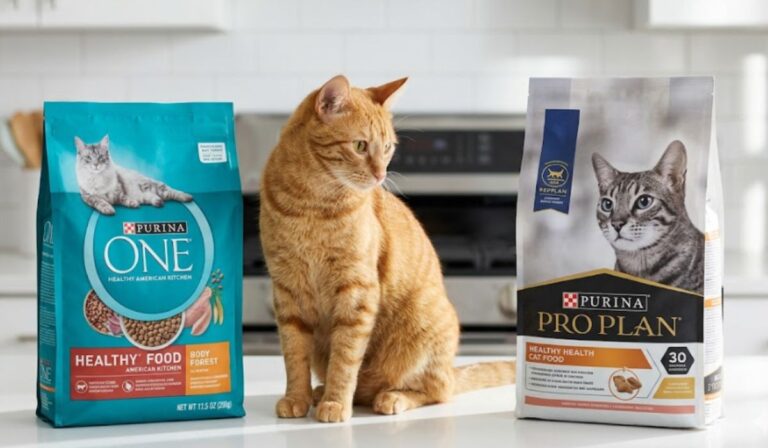
Purina ONE is a more budget-friendly option with decent protein, but it contains more grain fillers and artificial additives than either of our main contenders.
Orijen Cat & Kitten
Orijen offers unmatched fresh meat ingredients and higher protein, but it comes at a much higher price point than both Taste of the Wild and Blue Wilderness.
Who Should Buy Which?
- Buy Taste of the Wild if: You have a picky cat, want high-quality protein on a mid-range budget, or feed multiple cats of different ages.
- Buy Blue Wilderness if: You prefer having real deboned meat as the first ingredient, want a bag that seals perfectly without extra clips, and have a less active cat that needs strict portion control.
- Consider Neither If: Your cat has a severe pea allergy or needs a prescription diet for urinary health.
Long-Term Feeding Considerations
Thinking about the future is essential when choosing a food your cat will eat every single day for years.
Over several months, the consistency of Taste of the Wild has remained impressive, with no noticeable batch-to-batch changes in color or smell. My cats’ coat health and weight have remained stable, proving that the AAFCO life stage suitability is highly accurate. The ongoing cost is manageable, and their digestive health has stayed strong without any sudden stomach upsets.
With Blue Wilderness, the packaging zip-lock continues to be a lifesaver for freshness over long periods. However, you must monitor your cat’s weight closely, as the high calorie count can easily lead to gradual weight gain over time. Both foods offer great nutrition, but Taste of the Wild feels more sustainable for long-term daily feeding due to its balanced recipe.
Calorie Density and Weight Management: Taste of the Wild vs Blue Wilderness Cat Food
Managing your cat’s weight is all about understanding the energy density of the kibble you put in their bowl. Let’s look closely at how Taste of the Wild vs Blue Wilderness cat food compares on this front.
Taste of the Wild has a lower calorie density of 390 kcal/cup, making it much easier to use with automatic feeders or for free-feeding without causing sudden weight gain. Blue Wilderness is much richer at 443 kcal/cup, which is great for highly active cats but risky for indoor cats prone to laziness.
If you have a multi-cat household where one cat overeats, Blue Wilderness requires careful portion control to prevent obesity. Taste of the Wild offers a safer middle ground, allowing your cats to feel full without consuming excess calories.
Final Verdict
After weeks of close observation, Taste of the Wild is the overall winner for my home. It offers incredible palatability for picky cats, high protein levels, and excellent digestibility at a price that fits most budgets. While the lack of a bag zipper is annoying, the health benefits and coat shine make it well worth using a storage bin.
Blue Wilderness remains a strong premium option, especially for owners who value a fresh-sealing bag and real deboned meat as the first ingredient. However, its high calorie density and higher price make it less practical for multi-cat homes. If you want the best balance of nutrition, taste, and cost, Taste of the Wild is the way to go.