
How Long Can Cat Food Sit Out: Safe Vet Rules
Every cat owner knows the routine. You open a fresh can of wet food, spoon it into the bowl, and set it down. Your cat wanders over, takes two small licks, and then walks away to chase a dust mote or sleep in a sunbeam. You look at the bowl, look at the clock, and wonder how long can cat food sit out before it becomes a bacterial breeding ground. I used to think leaving it out for a few hours was fine until my own cat ended up with a severe bout of diarrhea that left us both stressed and miserable.
Most online guides tell you to leave food out for exactly two hours and leave it at that. But real life with a picky cat is never that simple. In this guide, I want to share what I learned through trial, error, and some messy cleanups so you can keep your pet safe and stop throwing away expensive food.
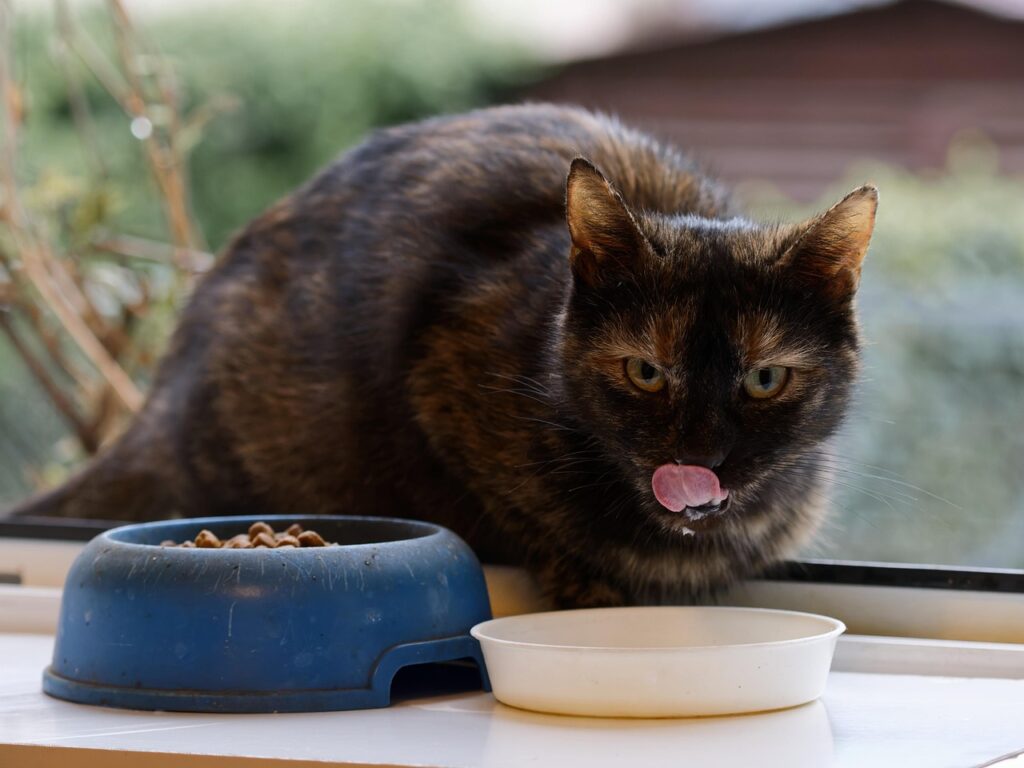
What You Need Before You Start
Managing your cat’s meals safely does not require high-tech kitchen gadgets, but a few simple tools will save you time and money. Here is what I keep in my kitchen to make sure my cat’s food stays fresh and safe.
The right setup helps you manage portions and keep leftovers from spoiling too fast.
| Item | Purpose | Budget or Premium Worth It? |
|---|---|---|
| Shallow ceramic bowls | Keeps food clean and prevents whisker fatigue | Budget is fine, just avoid plastic |
| Silicone can lids | Seals opened cans tightly in the fridge | Budget is perfect, buy a multi-pack |
| Small digital kitchen scale | Measures exact portions to reduce waste | Budget works great |
| Ice pack bases | Keeps wet food cool on warm days | Premium is worth it for peace of mind |
| Air-tight kibble container | Keeps dry food from going stale | Premium is worth it to block pests |
You can safely skip buying expensive heated bowls. Some brands claim these keep food appealing, but heat actually speeds up bacterial growth and spoils the meal much faster. Stick to cool, clean surfaces instead.
Getting Your Cat Comfortable First
You cannot just change your cat’s feeding schedule overnight without facing some major resistance. Cats are creatures of habit, and if they are used to grazing all day, a sudden change will stress them out. When I first tried to pull the food bowl away after an hour, my cat stared at me, meowed at the top of his lungs, and then knocked a glass off the counter to show his displeasure.
To make this transition smooth, introduce any new schedule or feeding tools slowly. Let your cat sniff the empty new ceramic bowls and place them in the usual feeding spot. Watch their body language; a relaxed tail and soft eyes mean they are comfortable, while flattened ears or a twitching tail mean you need to slow down. This preparation phase usually takes about a week of gentle, consistent steps before you can start a strict routine.
Step-by-Step: How to Manage How Long Can Cat Food Sit Out Safely
Changing how you feed your cat requires a clear plan. Here is the exact method I developed after months of trying to balance my cat’s erratic appetite with basic food safety.
Step 1: Establish a Clear Baseline Portion
Start by weighing your cat’s food so you know exactly how much they actually eat in one sitting. I used to dump half a large can into the bowl, only to throw most of it away later. Now, I use a digital scale to scoop out a smaller portion. If your cat only eats two ounces at a time, only put two ounces in the bowl. This simple habit immediately cuts down on food waste and prevents leftovers from sitting out in the first place.
Step 2: Set a Strict Sixty-Minute Window
Once you put the wet food down, start a timer for sixty minutes. While some resources say two hours is fine, my experience in a warm kitchen showed that wet food starts drying out and smelling bad much faster. If your cat has not finished the food within an hour, pick up the bowl. Your cat will quickly learn that food is not a permanent fixture and will start eating when the bowl is served.
Step 3: Cool the Food Down in Warm Weather
If you live in a hot climate or do not have air conditioning, wet food spoils much faster than you think. On hot summer days, place the feeding bowl on top of a flat, frozen ice pack wrapped in a thin towel. This keeps the temperature of the wet food down and stretches your safe window slightly. I found this trick kept the food looking and smelling fresh even when the room temperature crept up.
Step 4: Clean the Bowl Immediately After Use
As soon as you pick up the leftover food, wash the bowl with hot, soapy water. Wet cat food leaves a thin, sticky film that dries into a cement-like crust. If you just top off a dirty bowl with fresh food, you are mixing new food with old bacteria. Cleaning the bowl every single time prevents mold and keeps your cat from turning their nose up at the next meal.
Step 5: Seal and Refrigerate Leftovers Safely
Put the remaining food from the can into the refrigerator immediately. Use a tight silicone lid to cover the can, or transfer the food to a small glass jar with a lid. Do not leave the opened can on the counter while you clean up. Cold storage slows down bacteria and keeps the food smelling fresh for the next mealtime.
Step 6: Transition Your Grazer to Scheduled Meals
If your cat is used to having food available all day, offer smaller meals four times a day instead of two large ones. This mimics their natural hunting habits and ensures they eat the food fresh. My cat used to be a stubborn grazer, but switching to four micro-meals solved our spoilage issues completely. It took about ten days of consistency, but his digestive health improved dramatically.
Step 7: Monitor Waste and Adjust Daily Volumes
Keep a simple log of how much food you throw away each week. If you notice you are constantly dumping out a third of a can, reduce your purchase size or feed slightly less per meal. Adjusting the volume based on real-world results keeps your budget happy and ensures your cat always gets fresh, safe meals.
Common Mistakes to Avoid
Even experienced owners make mistakes when managing their cat’s food. Here are the most common pitfalls I fell into and how you can avoid them.
Learning from these slip-ups will save you money and protect your cat’s sensitive stomach.
| Mistake | Why It Happens | How to Fix It |
|---|---|---|
| Topping off dry food | It feels easy and quick | Empty the bowl and wash it before adding new dry food |
| Leaving wet food out overnight | You forget to pick it up before bed | Set a phone alarm to collect the bowl |
| Using scratched plastic bowls | Scratches hold tiny bacteria | Switch to non-porous ceramic or stainless steel |
| Feeding cold food straight from the fridge | Cats dislike cold meals | Let the portion sit at room temperature for ten minutes |
| Trusting the sniff test | You think if it smells fine, it is safe | Stick to the clock, not your nose |
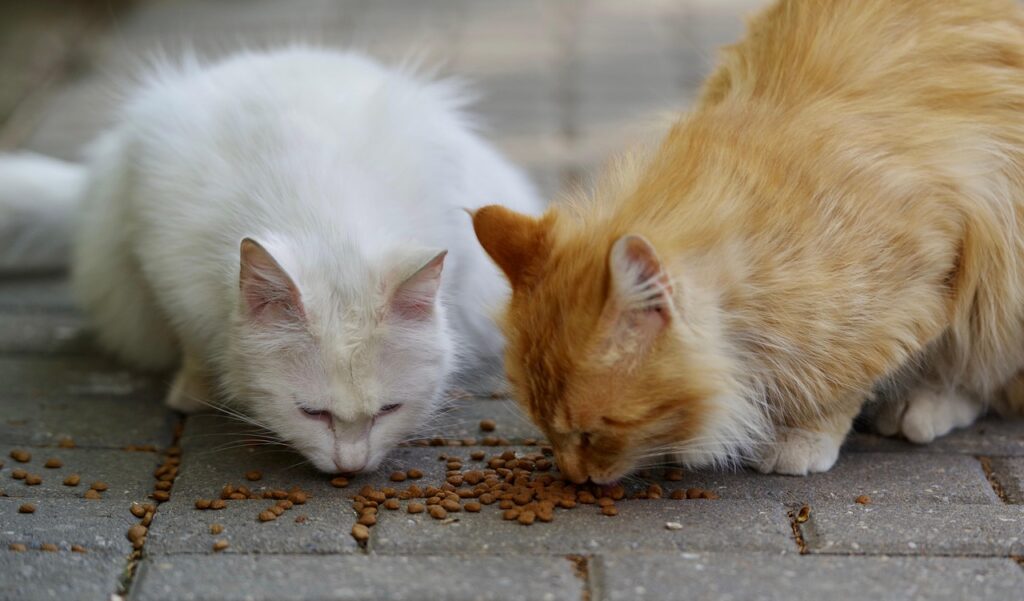
The single most common mistake experienced owners make is topping off the dry food bowl without washing it first. It seems harmless because dry food does not look spoiled, but natural fats and oils from the kibble settle at the bottom of the bowl. Over time, these oils go rancid and breed bacteria, which can make your cat turn away from their food or experience mild stomach upset.
Reading Your Cat’s Body Language Around Food
Cats are incredibly expressive, but they communicate through subtle movements rather than loud signals. When your cat approaches their food bowl, watch how they behave. A cat that is happy with their food will walk up with a raised tail, sniff the bowl gently, and begin licking or chewing with relaxed ears. They might rub their cheeks against the corner of the wall or your shins to show excitement.
If the food has sat out too long, your cat will tell you. They might sniff the bowl from a distance, shake one paw in disgust, and walk away. A very clear sign of rejection is the “burying” motion, where your cat scratches the floor around the bowl as if trying to cover up litter. If you see this, do not force them to eat; the food is likely stale or starting to spoil, and you should wash the bowl immediately.
How Often Should You Do This?
Food safety is not a weekly chore; it is a daily practice that keeps your household running smoothly. Here is how to plan your cleaning and feeding schedule based on your home environment.
Establishing a rhythm makes the chore feel like second nature.
| Factor | Frequency | Notes |
|---|---|---|
| Washing wet food bowls | After every single meal | Prevents dried crust and bacterial buildup |
| Washing dry food bowls | Every two to three days | Removes rancid oils and dust |
| Checking fridge leftovers | Every 24 hours | Wet food should be used within three days of opening |
| Deep cleaning storage bins | Once a month | Wash with hot water and dry completely before refilling |
In a normal weekly routine, this feels like washing one or two extra dishes during your own meal cleanup. It adds less than two minutes to your daily chores but completely eliminates the unpleasant smell of old cat food wafting through your kitchen.
Tools and Products That Actually Help: How Long Can Cat Food Sit Out
You do not need a lot of gear to manage food safety, but choosing the right materials makes a massive difference. When shopping for bowls, look for shallow, wide designs made of stainless steel or lead-free ceramic. These materials do not scratch easily, which means bacteria have nowhere to hide. Avoid cheap plastic dishes, which scratch during normal use and washings.
Another tool that genuinely helps is a digital automatic feeder with built-in ice packs. These devices open on a timer, keeping the wet food cold until the scheduled feeding time. This is a game-changer if you work long hours and cannot be home to pick up the bowl after an hour. While these feeders cost more upfront, they pay for themselves by reducing wasted canned food.
When to Stop and Call the Vet
While a picky cat is normal, sudden changes in appetite or physical symptoms of illness require professional attention. Cats are masters at hiding pain and discomfort, so you must pay close attention to their daily habits. If your cat refuses to eat for more than twenty-four hours, this is a major medical emergency that can lead to liver issues.
Watch for signs of food poisoning or stomach distress, such as frequent vomiting, watery stools, extreme lethargy, or hiding in dark corners. If you notice these symptoms after your cat ate food that sat out too long, do not wait for it to pass. Call your veterinarian immediately and tell them exactly what your cat ate and how long the food was left in the bowl.
Building a Routine That Sticks
The secret to success is pairing your cat’s feeding schedule with your own daily habits. I found that feeding my cat right before I make my own breakfast and dinner works best. This anchors the task to things I already do every day, so I never forget to set the timer or wash the bowl. Your cat will quickly learn your routine and will start waiting by their bowl at the same times each day.
If you have a chaotic schedule, do not panic if you occasionally leave food out too long by mistake. Just throw the food away, scrub the bowl, and resume your normal routine with the next meal. Cats are resilient, and as long as you maintain a clean environment most of the time, a single mistake will not ruin your progress.
Real-Life Daily and Weekly Experience
In my home, managing how long wet food stays out has become a seamless part of our day. In the beginning, I hated the extra washing and felt guilty throwing away untouched food. But once I shrunk the portion sizes and committed to the one-hour rule, the daily waste practically disappeared. I no longer step on crusty, half-dried chunks of fish in the dark, and my kitchen smells much cleaner.
The biggest surprise was how quickly my cat adapted to the schedule. He stopped begging for food constantly because he knew exactly when his meals would arrive. If you are struggling with a picky eater or are tired of throwing away money, stick to the routine for two weeks. You will be amazed at how quickly your cat learns to clean their bowl.
Cost Breakdown — What This Actually Runs You
Transitioning to a safer feeding routine is surprisingly cheap and can actually save you a significant amount of money over time. Here is what you can expect to spend to get your system set up.
Reducing food waste quickly offsets these minor initial expenses.
| Item | One-Time or Ongoing | Estimated Cost Range |
|---|---|---|
| Set of two ceramic bowls | One-time | $10 – $20 |
| Silicone can covers | One-time | $5 – $8 |
| Ice pack feeding base | One-time | $15 – $30 |
| High-quality canned food | Ongoing | $40 – $80 per month |
| Professional pet sitter | Alternative | $20 – $40 per visit |
Taking the DIY route and managing your cat’s portions yourself saves you hundreds of dollars a year in wasted food. While hiring a professional pet sitter is great for when you travel, a few simple tools will keep your cat safe and healthy during your normal workdays without breaking the bank.
Quick Reference Summary
If you are in a rush, here is a quick guide to keeping your cat’s food fresh and safe.
Refer to this table whenever you are unsure about your daily feeding steps.
| Topic | Key Point | Watch Out For |
|---|---|---|
| Preparation | Transition slowly over one week | Avoid sudden schedule changes |
| First Session | Set a sixty-minute limit for wet food | Do not leave food out overnight |
| Frequency | Wash bowls after every single meal | Skipping washes builds bacteria |
| Tools | Use shallow ceramic or steel bowls | Avoid cheap, scratched plastic |
| Stress Signs | Watch for floor-scratching or walking away | Do not force a cat to eat spoiled food |
| When to Stop | Call the vet if they refuse food for 24 hours | Watch for vomiting or lethargy |
Final Tips — How Long Can Cat Food Sit Out
The most important thing to get right is consistency. Cats thrive on predictability, and once they realize food is only available for a limited time, their eating habits will improve. The owners who succeed at scheduled feeding are the ones who stick to the plan even when their cat meows for a midnight snack.
Be patient with your cat and with yourself during the first couple of weeks. It takes time to break old habits, but the reward is a healthier pet and a cleaner, fresher home. Keep your bowls clean, watch the clock, and trust your cat’s natural instincts when they tell you a meal is no longer fresh.