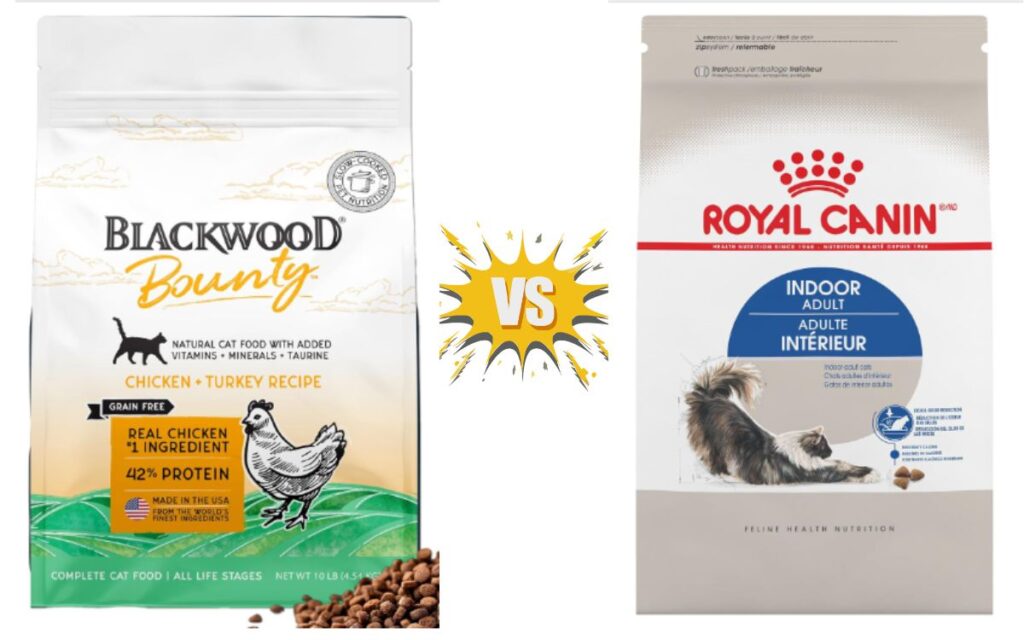
Blackwood Cat Food vs Royal Canin: Which Dry Kibble Wins?
Choosing the right dry kibble for your cat is tough. I spent weeks testing Blackwood cat food vs Royal Canin with my indoor cat, Winston. Blackwood is a slow-cooked, grain-inclusive option perfect for budget-conscious owners who want clean ingredients. Royal Canin targets specific health needs and picky eaters with science-backed formulas.
During my trial, I watched Winston’s energy, checked his litter box daily, and monitored how fresh each bag stayed. While both kept his coat shiny, one bag was much easier to store, and Winston definitely preferred one kibble crunch over the other. Here is my honest, real-world comparison to help you choose the best fit for your cat and wallet.
Side-by-Side Specs Comparison
To start, let us look at the raw numbers. Comparing the basic nutritional labels side-by-side reveals some clear differences in protein levels and calorie density between these two dry foods.
| Feature | Blackwood Adult Chicken | Royal Canin Indoor Adult |
|---|---|---|
| Price per Pound | Low to Moderate | High |
| Protein Content | 30.0% | 27.0% |
| Crude Fiber | 3.0% | 5.7% |
| Calorie Density | 424 kcal/cup | 325 kcal/cup |
| Bag Sizes | 4 lb, 13.2 lb | 3 lb, 7 lb, 15 lb |
| AAFCO Statement | Adult Maintenance | Adult Maintenance |
These numbers show that Blackwood offers slightly more protein. However, Royal Canin keeps the fat content lower, which helps less active indoor cats stay trim.
Unboxing and First Impressions
When I first opened the Blackwood bag, I noticed a pleasant, mild chicken aroma. The bag itself felt thick, but it lacked a built-in zipper seal, which was a bit disappointing for keeping the kibble fresh. Winston came running immediately to sniff the bag, showing instant curiosity. The kibble pieces were small, round, and dry to the touch, with almost no oily residue.
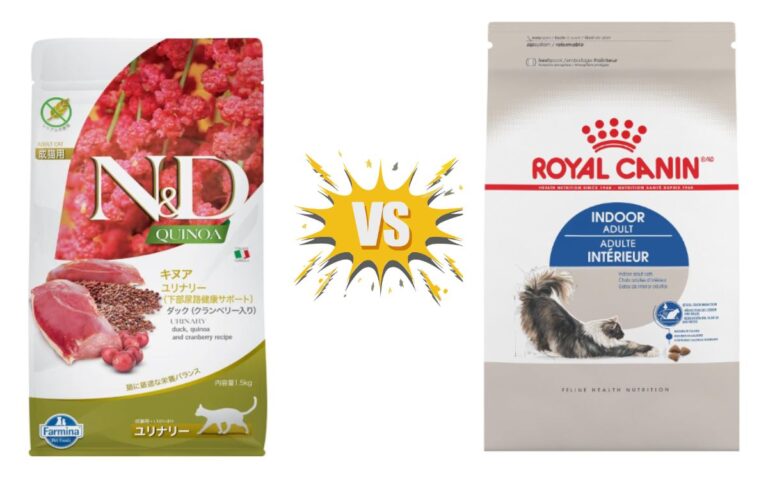
The Royal Canin bag, on the other hand, came with a very sturdy, resealable zip lock. Opening it released a much stronger, savory scent that drove Winston wild. The kibble had a unique ring shape designed for easy chewing and dental benefits. I did notice a small amount of crumbly dust at the bottom of both bags, but nothing that ruined the serving experience.
Ingredient Quality and Nutrition
Looking closely at the ingredients helps us see what our cats are actually eating. Let us break down how each brand builds its dry recipe.
First Five Ingredients: Blackwood starts with chicken meal, brown rice, millet, chicken fat, and oat groats. This is a very clean list of whole grains and protein. Royal Canin starts with chicken meal, corn, brewers rice, corn gluten meal, and wheat gluten. It relies more heavily on corn and wheat proteins to meet its nutritional targets.
Protein Source Quality: Blackwood uses chicken meal as its primary animal protein source, which is highly concentrated. Royal Canin uses chicken meal but supplements it heavily with vegetable proteins like wheat gluten. This makes Blackwood feel a bit more natural and meat-focused for a carnivore.
Grain-Free or Grain-Inclusive: Both of these options are grain-inclusive diets. Blackwood uses wholesome grains like brown rice and millet, which are easy on the stomach. Royal Canin uses corn and wheat, which some owners prefer to avoid, though they provide structured energy for indoor cats.
Additive and Preservative Profile: Blackwood preserves its dry kibble naturally with mixed tocopherols. Royal Canin also uses natural preservatives now, but their ingredient list looks much more chemical-heavy with added vitamins and synthetic nutrients. Winston had no negative reactions to either profile.
AAFCO Life Stage Suitability: Both products meet AAFCO nutritional profiles for adult maintenance. Blackwood is great for all adult cats looking for steady energy. Royal Canin is tailored specifically for indoor cats who get less exercise and need help with hairballs.
Palatability — Will Your Cat Actually Eat It?
A healthy food is useless if your cat refuses to touch it. I watched Winston closely during the first week of feeding both brands to see which kibble crunch he preferred.
Winston accepted both foods on day one, but his excitement levels differed. With Blackwood, he sniffed the bowl for a few seconds before calmly eating. With Royal Canin, he dove in immediately, attracted by the strong, savory scent. The unique ring-shaped kibble of Royal Canin seemed much easier for him to grab and crunch. Over three weeks, his interest in Blackwood stayed steady, but he never ran to the bowl the way he did for Royal Canin. If you have a highly picky cat, the intense aroma of Royal Canin will likely win them over much faster.
Ingredient Quality and Digestibility
Digestibility shows up clearly in the litter box and in how your cat carries themselves daily. Here is what I observed after Winston spent weeks on each diet.
| Digestibility Metric | Blackwood Adult | Royal Canin Indoor |
|---|---|---|
| Stool Firmness | Very Firm | Firm and Dry |
| Litter Box Odor | Normal | Noticeably Reduced |
| Hairball Frequency | Occasional | Very Rare |
Winston has a somewhat sensitive stomach, so I always worry about diarrhea when changing foods. With Blackwood, his litter box output was very consistent. His stool was firm, dry, and did not have an overpowering odor. His coat health looked great, with a nice, natural shine and very soft fur. His energy levels remained calm and steady throughout the day.
When switching to Royal Canin, his stools remained firm, but the litter box odor decreased slightly, which is a key claim of their indoor formula. I also noticed he threw up fewer hairballs during his weeks on Royal Canin. However, his energy levels seemed slightly more hyperactive right after meals, likely due to the higher carbohydrate structure. Both foods kept his coat looking beautiful and healthy.
Freshness and Bag Life (Dry Food Only)
Keeping dry kibble fresh is vital for maintaining its taste and nutritional value over several weeks.
The Blackwood bag does not come with a reliable zip-top seal, which is its biggest weakness. After two weeks, I noticed the kibble at the bottom of the bag began to lose its fresh aroma. To prevent it from going stale, I had to pour the remaining food into an airtight plastic container.
Royal Canin excels in this area with its premium, heavy-duty seal that locks tightly every time. The kibble stayed crunchy and highly aromatic right down to the very last cup. I also noticed much less dust at the bottom of the Royal Canin bag compared to Blackwood, which left a light powdery coating on Winston’s bowl near the end.
Design and Packaging Quality
The packaging design can make your daily feeding routine smooth or frustrating. Let us compare how these bags handle in a real kitchen setting.
| Feature | Blackwood | Royal Canin |
|---|---|---|
| Bag Material | Heavy Plastic | Foil-Lined Plastic |
| Reseal Mechanism | None (Needs Clip) | Slider Ziplock |
| Smell Containment | Poor After Opening | Excellent |
While both bags use durable materials, Royal Canin is the clear winner for daily convenience. The ziplock slide makes it incredibly easy to open and close with one hand while holding a hungry cat back.
Smell — For You and Your Cat
Dry cat food smells can quickly take over a small kitchen or apartment if the kibble is highly aromatic. Blackwood has a very mild, earthy chicken scent that you can only smell when standing directly over the bowl. It does not linger in the air, making it an excellent choice for small living spaces. Winston found the smell pleasant enough to eat, but it did not make him beg for food between meals.
Royal Canin has a much stronger, yeast-like, savory aroma that travels across the room the moment you open the bag. While this is fantastic for picky cat appeal, it can be a bit offensive if you dislike strong pet food odors. The smell lingers in the feeding area for about twenty minutes after Winston finishes eating. However, it was highly effective at masking the scent of a powdered joint supplement I had to mix into his kibble.
Serving and Portion Control
Managing how much food your cat eats daily prevents obesity and keeps their digestive system happy.
| Feature | Blackwood | Royal Canin |
|---|---|---|
| Feeding Guide Clarity | Clear | Highly Detailed |
| Free-Feed Friendly | Yes | No (Calorie Dense) |
| Calorie Per Cup | 424 kcal | 325 kcal |
Measuring out portions for Winston was simple with both brands because the kibble size is highly consistent. The clear feeding guides helped me adjust his daily intake easily to prevent any unwanted weight gain.
Ease of Use and Daily Routine
A good dry food should fit seamlessly into your morning and evening rush without creating extra mess.
| Task | Blackwood | Royal Canin |
|---|---|---|
| Bowl Cleanup | Quick Rinse | Quick Rinse |
| Smell on Hands | None | Very Light |
| Storage Convenience | Medium (Needs Bin) | High (Stands Up) |
Feeding Winston was quick and painless with both brands. Because neither kibble is oily, washing his stainless-steel bowl took only a quick rinse under warm water each evening.
Cat Health Impact Over Time
After four weeks on Blackwood, Winston looked incredibly healthy. His coat was sleek, shiny, and shed much less than usual during our brushing sessions. His weight stayed perfectly stable, and he had steady energy for his evening play sessions. His litter box habits were like clockwork, showing excellent digestibility and gut health with very low odor.
During his four weeks on Royal Canin, his coat maintained a similar high-quality shine. He had slightly more intense bursts of energy, and he threw up almost no hairballs, which was a huge relief. However, I had to monitor his portions more strictly because the lower fiber content made him feel hungry sooner. For long-term health, I would feel confident feeding either, but Blackwood felt slightly more natural for daily weight management.
Price and Value for Money
Let us talk about the budget aspect of this head-to-head comparison. The price difference between these two brands is quite significant over time.
Blackwood is priced very reasonably per pound, making it a highly accessible premium food that you can buy at most online pet stores. Royal Canin sits at a much higher price point, which they justify through targeted veterinary research and high palatability. For a single-cat household, the monthly price gap is noticeable but manageable. However, if you are feeding multiple cats, Blackwood offers far superior value for money without sacrificing high-quality meat proteins.
How It Compares to Similar Products
To give you more context, here is how both foods stack up against other popular dry kibble options on the market.
Purina Pro Plan Shredded Blend
Purina Pro Plan offers a mix of hard kibble and tender shredded pieces. It matches Royal Canin in price and palatability but uses more artificial additives than the cleaner Blackwood formula.
Blue Buffalo Life Protection
Blue Buffalo focuses on high-quality meat first and contains their signature LifeSource Bits. It is closer to Blackwood in ingredient quality but some cats find the taste less appealing than Royal Canin.
Who Should Buy Which?
Here is a quick breakdown to help you decide which dry food fits your lifestyle best.
- Buy Blackwood if: You want a clean, slow-cooked kibble with high-quality meat protein at a very reasonable price.
- Buy Royal Canin if: Your cat is highly picky, suffers from frequent hairballs, or you prefer a bag with a high-quality resealable zipper.
- Consider Neither If: Your cat has a severe grain allergy and requires a completely grain-free diet, as both of these contain wholesome grains.
Long-Term Feeding Considerations
When feeding a dry diet long-term, consistency is everything. Blackwood has a fantastic reputation for batch-to-batch consistency, and I never noticed any color or smell variations between bags. Their slow-cooked method ensures high digestibility, keeping your cat’s coat health pristine year after year. The main long-term cost is buying a separate airtight storage container to keep the food fresh.
Royal Canin is backed by extensive scientific testing, making it a highly safe and reliable long-term choice. Their formulas are designed to support specific life stages and lifestyle needs, like indoor living. However, the annual cost of feeding Royal Canin is significantly higher. You must weigh whether the convenience of their packaging and hairball control is worth the premium price tag over several years.
Calorie Density and Weight Management: Blackwood Cat Food vs Royal Canin
Understanding calorie density is the key to successful weight management when comparing Blackwood cat food vs Royal Canin.
Blackwood packs 424 kcal per cup, which is relatively energy-dense. This means you can feed smaller portions to keep your cat satisfied, making it great for automatic feeders. It is highly suitable for multi-cat households where some cats need to gain weight.
Royal Canin Indoor Adult has a lower calorie density of 325 kcal per cup. This makes it much easier to prevent obesity in lazy, indoor cats who love to overeat. You can fill their bowl slightly more without risking rapid weight gain, making portion control much less stressful for the owner.
Final Verdict
After weeks of daily testing, Blackwood is my overall winner for its superior ingredient quality and excellent value for money. It offers a meat-first, slow-cooked recipe that kept Winston healthy, shiny, and satisfied without breaking the bank.
However, Royal Canin remains a powerful choice if you have a highly picky eater or struggle with frequent hairballs. Its irresistible aroma and perfect packaging make it incredibly convenient, even if the price is much higher.