Blue Buffalo Tastefuls vs Wilderness Cat Food: Our Honest Trial
Choosing the right dry kibble for your cat is tough. I spent weeks testing Blue Buffalo Tastefuls vs Wilderness cat food with my own cat to see which one actually works best in a real home.
Tastefuls is great for budget-conscious owners seeking a balanced daily diet. Wilderness fits active cats needing high protein. Here is my honest look at how both performed in the bowl and the litter box.
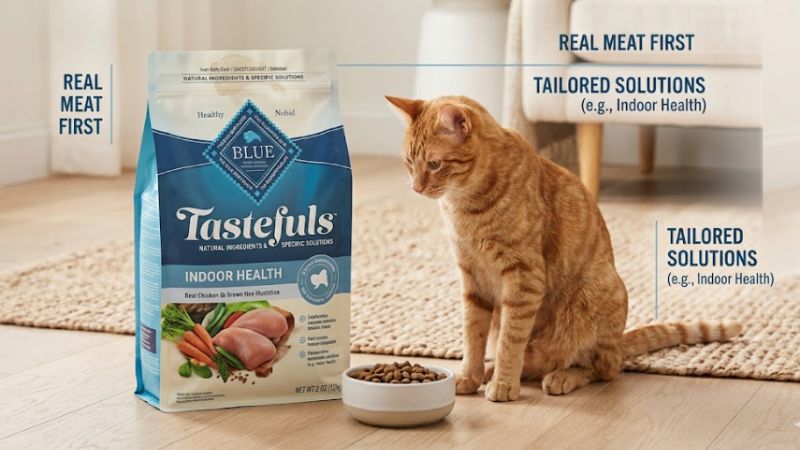
Side-by-Side Specs Comparison
Before we look at my cat’s reaction, let us look at the numbers. These specs show how the formulas differ in protein content, calorie density, and cost.
| Feature | Blue Buffalo Tastefuls | Blue Buffalo Wilderness |
|---|---|---|
| Price per Pound | ~$3.50 | ~$4.50 |
| Protein % | 32% | 40% |
| Fat % | 15% | 18% |
| Crude Fiber % | 4% | 4% |
| Calorie Density | 377 kcal/cup | 443 kcal/cup |
| Bag Sizes Available | 3, 7, 15 lbs | 2.5, 5, 9.5, 12 lbs |
| AAFCO Statement | Adult Maintenance | Adult Maintenance |
These numbers show a clear split in design. Wilderness focus is on high protein content, while Tastefuls offers a more moderate, grain-inclusive balance.
Unboxing and First Impressions
When I first opened the bags, the differences were clear. Here is what I noticed during the very first serving.
The Tastefuls bag has a simple sliding seal. The kibble has a mild, sweet smell of grains and poultry. The pieces are small, flat disks that look easy to chew. I did notice some fine dust settled at the bottom of the bag on day one, but the kibble itself felt dry and clean.
The Wilderness bag felt thicker and had a stronger zip lock. The smell was much more intense and meaty, which got my cat’s attention right away. The kibble crunch is louder here because the pieces are slightly larger and darker. I had to sweep up a few scattered pieces because my cat got too excited during the first serving.
Read another review about Purina One Vs Purina Pro Plan Cat Food: 2026 Guide
Ingredient Quality and Nutrition
Both options offer solid nutrition, but they use very different recipes. Let us break down what actually goes into each bag to help you choose.
First Five Ingredients
Tastefuls starts with deboned chicken, chicken meal, brown rice, barley, and oatmeal. Wilderness lists deboned chicken, chicken meal, pea protein, peas, and tapioca starch. The choice comes down to grains versus grain-free starch.
Protein Source Quality
Both foods use real chicken as the first ingredient. Wilderness boosts its total protein content to 40% by adding chicken meal and fish meal. Tastefuls keeps protein at 32%, which is still great for less active indoor cats.
Grain-Free or Grain-Inclusive
Tastefuls is grain-inclusive, which is great for cats who digest brown rice well. Wilderness is grain-free and uses peas instead. Neither option uses wheat, corn, or soy.
Additive and Preservative Profile
Both foods avoid artificial additives, artificial flavors, and chemical preservatives. They use natural mixed tocopherols. This keeps the ingredient quality high and safe for sensitive tummies.
AAFCO Life Stage Suitability
Both recipes meet the AAFCO nutrient profiles for adult maintenance. They are not designed for growing kittens, so stick to adult cats for these specific bags.
Palatability — Will Your Cat Actually Eat It?
A great recipe means nothing if your cat walks away from the bowl. Here is how my picky cat reacted to each food over a month of feeding.
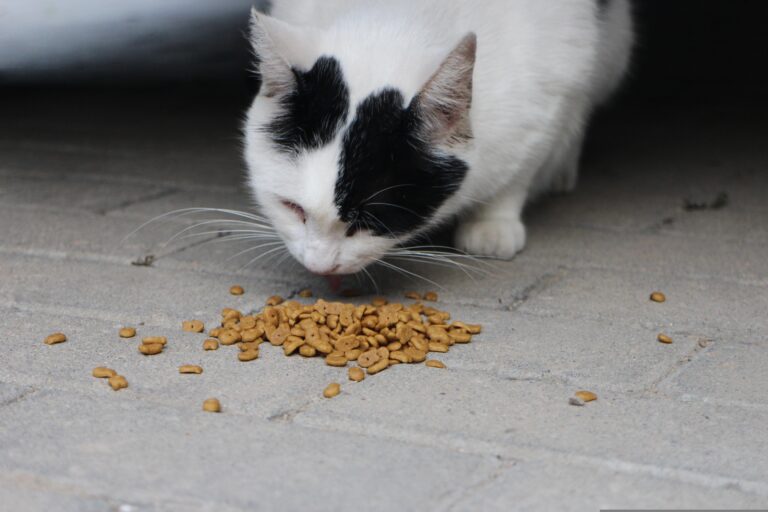
On day one, the intense meaty smell of Wilderness won. My cat ran to the kitchen and ate the whole portion immediately. The kibble crunch was very satisfying to hear. The hard texture provides some dental benefit by scraping plaque as they chew.
With Tastefuls, the reaction was slower. My cat sniffed the bowl, looked up at me, and walked away. He did come back an hour later to finish it. Over the next few weeks, Tastefuls became a reliable daily meal, but it never created the same excitement as Wilderness. If you have a highly picky cat appeal is much stronger with the Wilderness bag.
Ingredient Quality and Digestibility
Litter box duty tells the real story of food quality. Here is how my cat’s digestive tract handled both diets.
The transition to Tastefuls was smooth with no issues. The litter box output stayed consistent, and the stool was firm. Odor was mild and easy to manage daily.
With Wilderness, the high protein content caused a few soft stools in the first week. Once my cat’s system adjusted, his output went back to normal. However, the litter box odor was noticeably stronger on the high-protein diet. On the plus side, I noticed a real boost in my cat’s energy level. His coat health also improved, showing a beautiful shine after three weeks.
Freshness and Bag Life (Dry Food Only)
Keeping kibble fresh is a daily struggle. A bad seal can ruin a large bag of food fast.
Since kibble lacks water, I kept an eye on my cat’s moisture intake. This dry diet requires a fresh water fountain nearby to support kidney health.
The Tastefuls bag seal was disappointing. The press-to-close track got clogged with food dust easily, making it hard to close tightly. By week three, the kibble felt less crunchy, and my cat started leaving leftovers. I had to move the rest of the bag into a plastic container to keep it fresh.
Wilderness used a much wider, press-lock seal that kept the air out better. The kibble crunch stayed sharp down to the bottom of the bag. The strong meaty smell was locked inside, so my laundry room did not smell like cat food. I only noticed a tiny bit of dust at the very bottom of the bag.
Design and Packaging Quality
Good packaging prevents spills and keeps food fresh. Here is how the bags compare in daily use.
| Feature | Blue Buffalo Tastefuls | Blue Buffalo Wilderness |
|---|---|---|
| Bag Material | Thin Plastic | Heavy Duty Foil |
| Bag Freshness Seal | Standard Zip | Press-Lock Seal |
| Label Clarity | Clear, bright | Bold, dark |
| Smell Containment | Moderate | Excellent |
| Storage Footprint | Small | Medium |
The Wilderness bag feels much more premium and durable. The thick material resists claws if your cat tries to sneak a snack.
Smell — For You and Your Cat
The scent profile of dry food matters a lot in small homes. Here is how both brands smell in real-world use.
Tastefuls has a very mild, grain-heavy smell that does not linger. You can feed your cat in a small kitchen without the room smelling like chicken meal. My cat found it pleasant enough to eat but did not go wild when I opened the bag.
Wilderness has a very strong, earthy smell that travels quickly. The moment the bag opens, the rich scent fills the immediate area. My cat could smell it from the living room and would run to the bowl. If you live in a studio apartment, you might find the Wilderness smell a bit too strong, but your cat will likely love it.
Serving and Portion Control
Managing your cat’s weight requires accurate portions. Here is how easy it is to measure both foods.
| Feature | Blue Buffalo Tastefuls | Blue Buffalo Wilderness |
|---|---|---|
| Scoop Friendly | Yes, small kibble | Yes, standard kibble |
| Feeding Guide Clarity | Very Simple | Good but detailed |
| Free-Feed Friendly | Yes, lower fat | No, high calories |
| Calorie Per Cup | 377 kcal | 443 kcal |
| Multi-Cat Suitability | High | Moderate |
Tastefuls is much more forgiving if you like to free-feed your cat. The lower calorie density means they can munch a bit more without gaining weight fast.
Ease of Use and Daily Routine
A food should fit easily into your morning routine. Here is my experience with clean-up and serving both brands.
| Task | Blue Buffalo Tastefuls | Blue Buffalo Wilderness |
|---|---|---|
| Bowl Cleanup | Easy, dry residue | Easy, some oily residue |
| Smell on Hands After | Minimal | Noticeable |
| Storage Convenience | Easy to fit | Needs space |
| Speed of Serving | Fast | Fast |
Both foods are highly convenient for busy mornings. Wilderness leaves a slight oily residue on my hands, so I always wash up after pouring.
Cat Health Impact Over Time
Both diets had a positive impact, but they showed up in different ways. Here is how my cat looked and felt after a month on each.
After four weeks on Tastefuls, my cat stayed stable and healthy. His weight remained exactly the same, and his energy levels were steady. His coat health was good, though not exceptionally shiny. The main benefit was consistency—no stomach upsets, no hairballs, and perfectly normal litter box trips.
Wilderness brought a noticeable change in energy. My cat had more “zoomies” and felt a bit leaner. His coat became incredibly soft and glossy within three weeks, likely due to the higher fat and protein levels. However, I had to watch his portions closely because the high calorie density could easily lead to weight gain if overfed.
Price and Value for Money
Let us look at the financial side of these two popular options.
| Metric | Blue Buffalo Tastefuls | Blue Buffalo Wilderness |
|---|---|---|
| Average Bag Price | ~$25.00 (7 lbs) | ~$38.00 (9.5 lbs) |
| Price per Ounce | Low | Moderate to High |
| Monthly Cost | ~$12.00 | ~$18.00 |
Tastefuls is the clear winner for budget-conscious owners. It offers solid nutrition without a high price. Wilderness costs more per pound, but the premium protein content justifies the price if your cat needs a grain-free, high-energy diet.
How It Compares to Similar Products
To give you a complete picture, let us see how these two stack up against other popular brands in the same category.
Purina ONE Tender Selects
Purina ONE offers a budget-friendly option with real meat. It has a similar protein level to Tastefuls but uses more corn and wheat fillers, which might not suit sensitive cats.
Orijen Original Cat Food
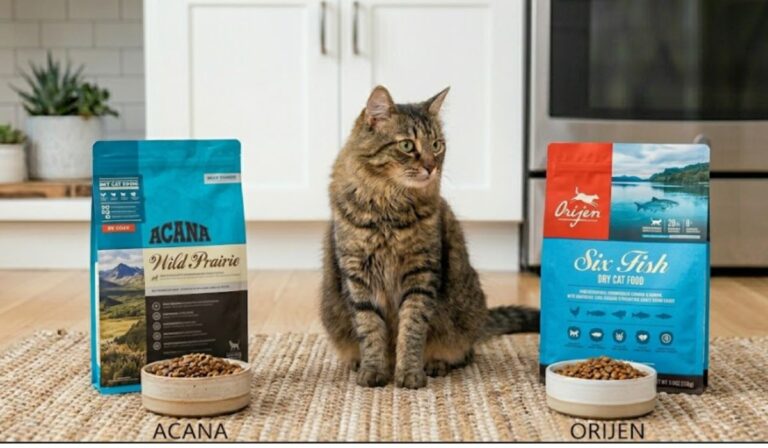
Orijen is an ultra-premium option that competes with Wilderness. It offers even higher protein and richer ingredients, but the price per pound is much higher than Wilderness.
Who Should Buy Which?
- Buy Blue Buffalo Tastefuls if: You want a reliable, grain-inclusive diet on a budget, prefer a milder smell in your kitchen, or have an indoor cat that tends to gain weight easily on rich foods.
- Buy Blue Buffalo Wilderness if: Your cat needs high protein content for energy, you prefer grain-free recipes, or you are dealing with a picky cat that ignores bland kibble.
- Consider Neither If: Your cat has severe chronic kidney disease and needs a low-protein prescription diet, or your cat requires wet food exclusively to boost their moisture intake.
Long-Term Feeding Considerations
Feeding either food long-term requires checking batch consistency. I found that Blue Buffalo maintains good quality control across different bag purchases. The kibble size stayed uniform, and the smell did not change from bag to bag.
For Tastefuls, keep an eye on your cat’s coat health over months. If it looks dry, you might need to add a fish oil topper. For Wilderness, monitor your cat’s weight yearly. The rich recipe can slowly add extra pounds as your cat ages and slows down.
Calorie Density and Weight Management: Blue Buffalo Tastefuls vs Wilderness cat food
Managing weight is a huge part of the Blue Buffalo Tastefuls vs Wilderness cat food debate. Tastefuls offers a lower calorie density of 377 kcal per cup. This makes it much easier to manage the weight of less active indoor cats. You can even free-feed small amounts without instant weight gain.
Wilderness packs 443 kcal per cup. This high concentration is perfect for active, lean cats, but it demands strict portion control for lazy lap cats. If you use an automatic feeder, Wilderness requires smaller portion settings to avoid overfeeding.
Final Verdict
Both foods are excellent, but they serve different needs. Tastefuls is my pick for a reliable, everyday budget food. It keeps cats healthy and is easy on the wallet.
Wilderness wins if you want top-tier nutrition and rich taste. It costs more, but the improvements in coat shine and energy are worth the extra investment.
My honest review of Blue Buffalo Tastefuls vs Wilderness cat food after weeks of feeding. See which fits your cat’s health and your budget!